2026 Top Prefabricated Wall Panels for Global Buyers?
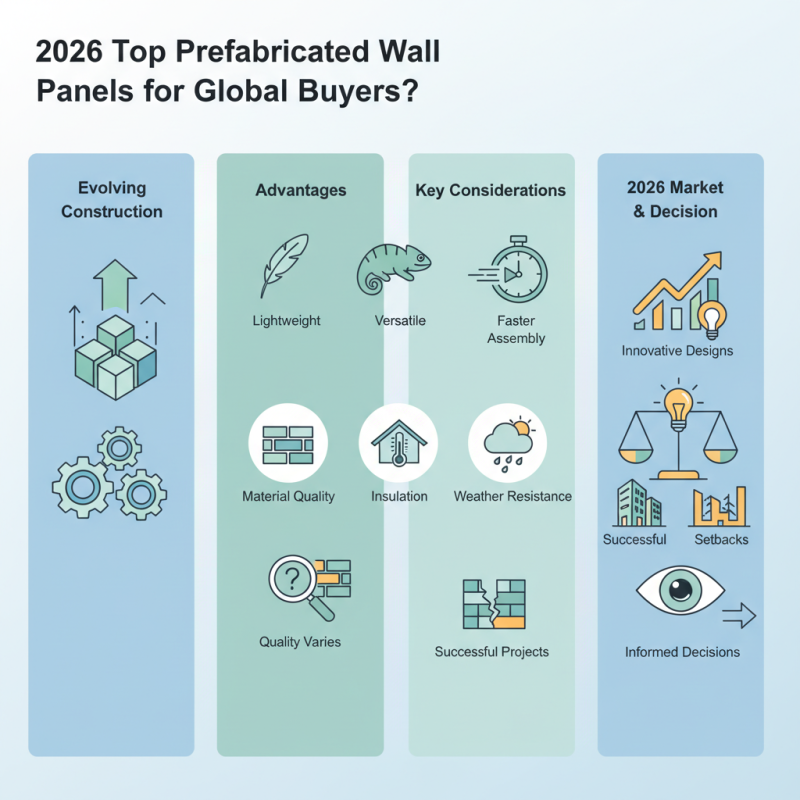
The construction industry is evolving, and prefabricated wall panels are at the forefront of this transformation. As global buyers seek efficient building solutions, these panels offer significant advantages. They are lightweight, versatile, and often have a faster assembly time compared to traditional methods. However, not all prefabricated wall panels are created equal. Quality can vary significantly between manufacturers.
Choosing the right prefabricated wall panels requires careful consideration. Buyers must focus on material quality, insulation properties, and weather resistance. A detailed evaluation can prevent costly mistakes down the line. Some panels may not perform well under harsh conditions, raising questions about reliability.
The 2026 market presents a unique opportunity for buyers. As demand grows, innovative designs are emerging. Yet, it is crucial to approach the selection process with a discerning eye. The right choice can lead to successful projects, but the wrong one can result in setbacks. Understanding the landscape of prefabricated wall panels is essential for making informed decisions.
Overview of Prefabricated Wall Panels in 2026
In 2026, the prefabricated wall panel market is poised for significant growth. According to a recent industry report, the global market size is expected to surpass $70 billion by 2027. This growth is driven by increasing demand for sustainable construction practices. Prefabricated panels offer reduced waste and quicker construction times compared to traditional methods.
The adoption of prefabricated wall panels varies widely across regions. In North America, a reported 25% growth is anticipated due to rising urbanization and infrastructure projects. Meanwhile, Europe emphasizes energy efficiency, with regulations pushing for more innovative wall solutions. Nevertheless, challenges exist. Some builders express concerns over the initial costs and design flexibility of prefabricated solutions.
Consumer awareness is crucial. Many potential buyers still lack knowledge about the benefits of these panels. Education and outreach can bridge this gap. Additionally, the market still struggles with supply chain issues. Ensuring quality control remains an ongoing challenge, which could impact long-term reliability. As the industry evolves, these factors will require careful consideration.
Key Features and Benefits of Prefabricated Wall Panels
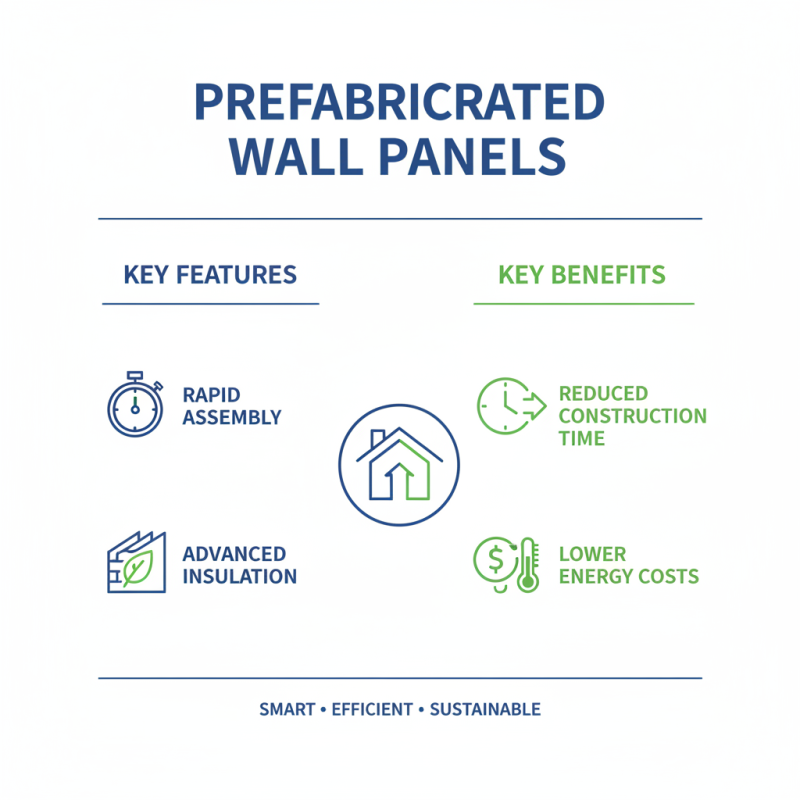
Prefabricated wall panels have become a crucial innovation in construction. They offer several key features that appeal to global buyers. One major benefit is their ability to reduce construction time. These panels can be assembled quickly on-site, significantly speeding up project timelines. Additionally, they come with high energy efficiency, thanks to advanced insulation materials. This feature helps in reducing long-term energy costs, making them a wise investment for both residential and commercial projects.
Another important aspect is their adaptability. Prefabricated wall panels are available in various designs and materials. This flexibility allows builders to customize spaces according to specific needs. The lightweight nature of these panels simplifies transportation and installation processes. However, there are challenges to consider. It is essential to ensure proper installation to maintain structural integrity. Any errors in construction can lead to issues down the line.
Furthermore, while the benefits are clear, some may overlook sustainability. Many panels are made from recycled materials, contributing to eco-friendly building practices. However, buyers should research to find options with long-term durability. In this competitive market, understanding all facets of prefabricated wall panels is crucial.
Major Manufacturers and Suppliers of Prefabricated Wall Panels
Prefabricated wall panels are reshaping construction globally. These innovative materials contribute to faster build times and reduced labor costs. According to industry reports, the global prefabricated wall panel market is projected to reach USD 124 billion by 2026, reflecting a compound annual growth rate (CAGR) of 5.6%. This growth signals an increasing acceptance and reliance on manufactured building components.
Major manufacturers and suppliers focus on a variety of materials. Most panels are made from wood, steel, or concrete. The choice of material significantly influences overall project performance. A study shows that energy-efficient panels can cut heating and cooling costs by up to 30%. However, challenges exist. Not all suppliers guarantee top quality, leading to variations in durability and insulation properties.
Buyers should consider reliability when choosing suppliers. Regional availability can affect shipping times and costs. Some areas have numerous choices, while others have limited options. This disparity creates a need for thorough research. Industry experts advise potential buyers to request certification documents and performance data. Understanding the landscape is key to making informed decisions.
Global Market Trends and Consumer Preferences
The global market for prefabricated wall panels is evolving rapidly, driven by consumer preferences for sustainability and efficiency. According to a recent report by MarketsandMarkets, the prefabricated construction market is expected to grow at a CAGR of 6.5% from 2021 to 2026. This shift reflects a rising demand for energy-efficient and environmentally friendly building materials.
Consumers are increasingly prioritizing quick construction time and ease of installation. Prefabricated wall panels can significantly reduce on-site labor costs. A study from Grand View Research highlights that finished wall panels can cut construction time by up to 30%. This efficiency appeals to both buyers and builders, leading to a more competitive market.
However, challenges exist. Quality control remains a crucial concern in prefabricated construction. Variability in panel manufacturing can lead to defects, risking structural integrity. As reported by Transparency Market Research, addressing these issues is vital for maintaining consumer trust. Buyers are aware, often seeking out manufacturers with certified quality standards. This landscape illustrates a commitment to improving industry practices while catering to modern needs.
Sustainability and Innovation in Prefabricated Wall Panels
Sustainability plays a vital role in the evolution of prefabricated wall panels. These panels now incorporate eco-friendly materials and energy-efficient designs. Innovations in technology allow manufacturers to produce panels that minimize waste during production. This is a significant step toward reducing the overall carbon footprint of construction projects.
When selecting prefabricated wall panels, focus on materials that enhance insulation. Well-insulated panels can reduce energy consumption in buildings. Considering long-term sustainability, it is important to investigate the lifespan of materials used in wall panels. This can lead to cost savings and reduced waste.
Always seek certifications that validate the sustainability claims of products. Look for panels made from recycled content or that can be easily recycled after use. In a market filled with options, transparency about the production process is key. Choose suppliers who prioritize environmentally friendly practices. These thoughtful decisions can drive industry standards and inspire innovation.
2026 Top Prefabricated Wall Panels for Global Buyers
This chart illustrates the projected market share of different types of prefabricated wall panels in 2026, highlighting the focus on sustainability and innovation.