2026 Top Trends in Wood Wainscoting for Your Home Design?
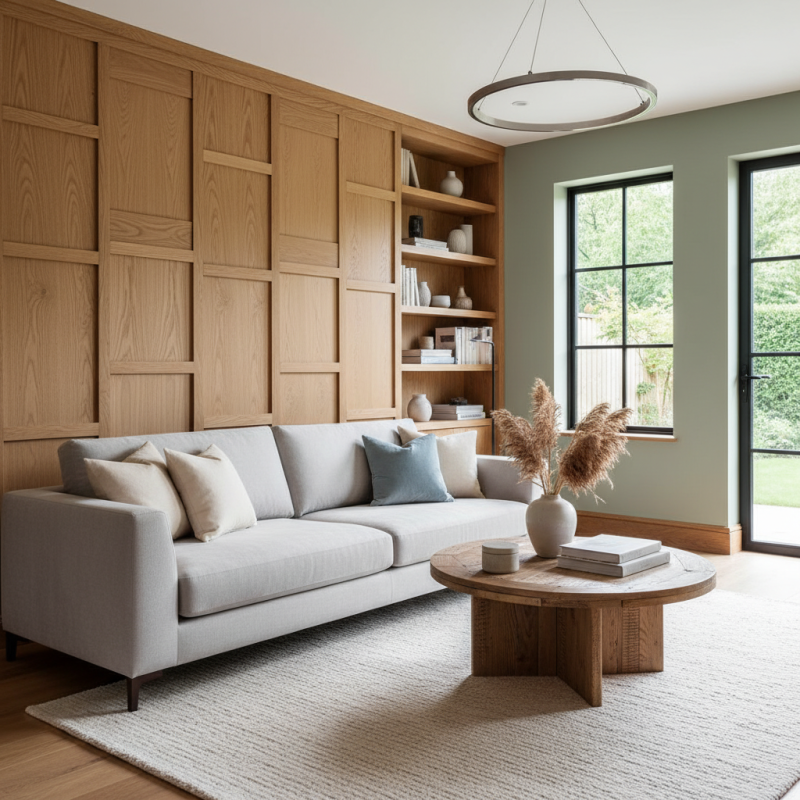
Wood wainscoting is making a strong comeback in home design. It offers a perfect blend of elegance and warmth. This trend is being embraced by homeowners seeking to elevate their spaces. There is something undeniably charming about wood finishes, which add character to any room.
In 2026, expect to see innovative patterns and textures. Some homeowners may shy away from bold designs, fearing they might overwhelm a space. However, the right choice can enhance a room's aesthetic. Subtle wood wainscoting in a soft hue can create a cozy atmosphere.
Twitter and Pinterest show a rise in demand for custom wood work. Many people enjoy the authenticity of natural wood grain. It's important to reflect on how wood wainscoting can influence overall design. Some might struggle with maintenance or costs. Yet, the long-term benefits often outweigh these concerns. Embracing wood wainscoting can transform your home into a timeless sanctuary.
2026 Trends in Wood Wainscoting: An Overview of Popular Styles
In 2026, wood wainscoting is making a comeback in home design. Homeowners are drawn to its warmth and timeless appeal. Various styles are emerging, from traditional beadboard to more modern shiplap. Each has unique details that can change the overall mood of a room. Beadboard brings a classic vibe, while shiplap adds a rustic charm.
Color choices are also evolving. Natural wood finishes remain popular, but bold colors are gaining traction. Navy blue or deep green can transform a space. Many are considering two-tone wainscoting, combining a dark lower panel with a light upper wall. This style creates contrast and adds dimension.
Textures are another area of exploration. Smooth finishes offer a sleek look, while distressed wood can provide character. The decision often involves a personal touch. Many homeowners struggle with balancing trends and personal style. It's important to consider what truly feels right for your space. There’s beauty in the imperfections of handmade woodwork, adding a unique story to your home.
2026 Trends in Wood Wainscoting
Sustainable Wood Choices for Wainscoting: Eco-Friendly Options in 2026
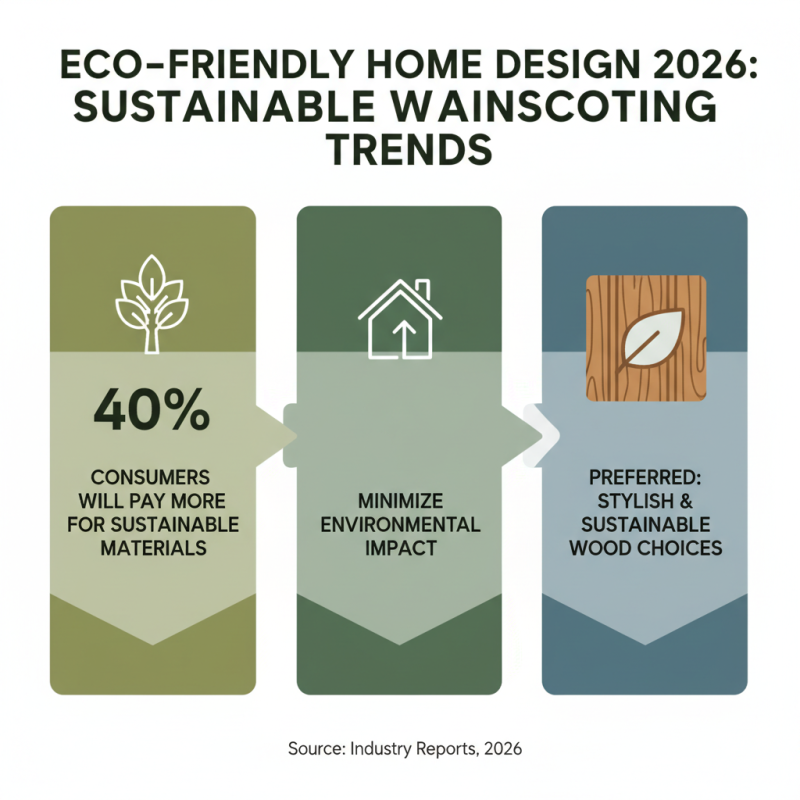
As the trend towards eco-friendly home design grows, sustainable wood choices are more critical than ever. In 2026, homeowners will likely prefer wainscoting that not only looks stylish but also minimizes environmental impact. Reports indicate that 40% of consumers are now willing to pay more for sustainable materials. This shift reflects a broader awareness of climate issues and a desire to contribute positively.
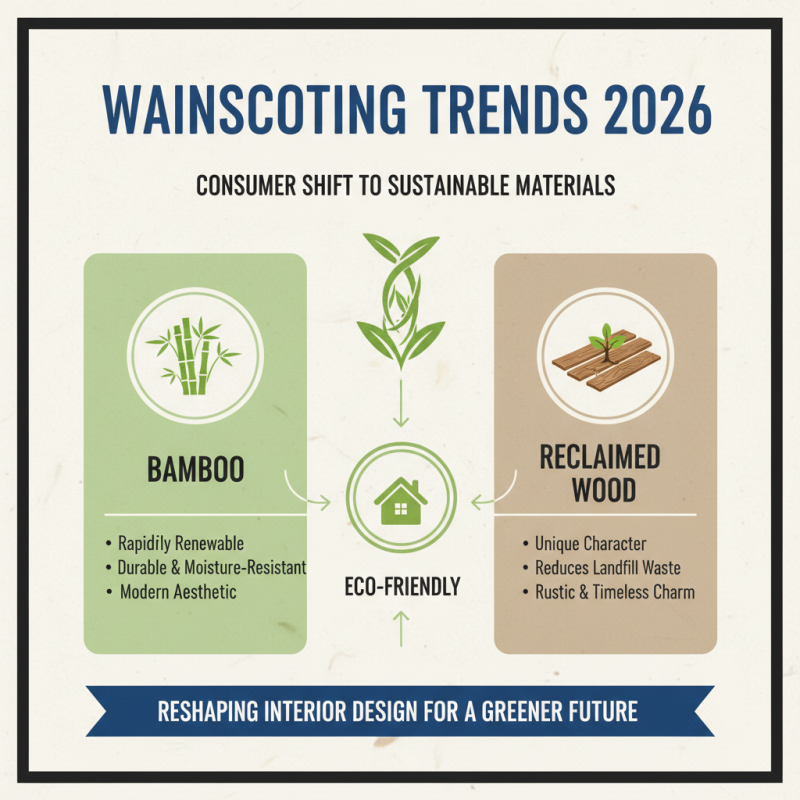
One popular option is reclaimed wood. This material is sourced from old buildings and furniture, giving it a unique character while promoting recycling. By reusing wood, homeowners can reduce waste significantly. Interestingly, studies show that using reclaimed wood can cut carbon emissions by up to 60%. Additionally, bamboo has gained traction for its rapid regrowth and strength. It can be harvested in just three to five years, unlike traditional hardwoods that take decades.
Choosing the right wood can also pose challenges. Sourcing truly sustainable options might be difficult in some regions. Not all certifications guarantee the level of sustainability one might expect. Homeowners should be cautious and research the origins of their materials. Seeking guidance from specialists can help navigate this complex landscape.
Color Palettes for Wood Wainscoting: Enhancing Home Design Aesthetics
Color palettes play a vital role in the design of wood wainscoting. They can transform a space and evoke certain emotions. Lighter shades, like soft beige or cream, create an airy feel. These colors can make smaller rooms appear larger. Warm tones, such as deep mahogany, provide a cozy, inviting atmosphere. Dark hues may add drama and sophistication.
When mixing colors, consider contrast. Pairing a dark wainscoting with lighter walls can draw attention and add depth. Experimenting with unique color combinations can show personality. However, it’s essential to ensure harmony in the overall design. Combining too many colors can lead to a chaotic look.
Texture also plays a crucial role. Smooth finishes create a modern appeal, while distressed surfaces add character. Finding the right texture for your chosen color can enhance the home's ambiance. It's worth noting that trends evolve. What seems popular today may not resonate tomorrow. Reflect often on your choices, ensuring they align with your vision.
2026 Top Trends in Wood Wainscoting for Your Home Design
| Trend |
Color Palette |
Aesthetic Appeal |
Material Type |
Best Room Usage |
| Natural Finish |
Warm Beige and Soft Taupe |
Rustic and Inviting |
Pine Wood |
Living Room |
| Painted Wainscoting |
Classic White and Navy Blue |
Sophisticated and Elegant |
MDF |
Hallway |
| Mixed Materials |
Charcoal Grey and Silver |
Modern and Chic |
Wood and Metal |
Office |
| Textured Panels |
Muted Greens and Earthy Browns |
Natural and Organic |
Reclaimed Wood |
Bedroom |
| Bold Accent Colors |
Deep Red and Rich Brown |
Dramatic and Inviting |
Oak Wood |
Dining Room |
Innovative Installation Techniques for Wood Wainscoting in Modern Homes
Wood wainscoting is becoming popular in modern homes. Innovative installation techniques enhance both aesthetics and function. As per a recent report from the National Association of Home Builders, 35% of homeowners are choosing wood finishes for their interior upgrades. This trend highlights a shift towards natural materials in design.
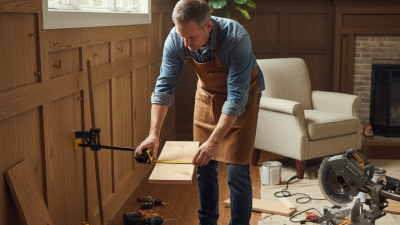
One emerging technique is the use of pre-fabricated panels. These panels reduce installation time significantly, making them cost-effective for homeowners. Installing wainscoting in rooms like dining areas or hallways creates a warm ambiance. However, alignment issues might occur if the walls are not perfectly straight. It’s crucial to measure accurately.
Tips: Always check wall levelness before installation. Use a level to avoid uneven accents. Also, consider moisture levels in spaces like bathrooms. Wood can warp if exposed to excess humidity.
Another technique involves layering different wood textures. Combining smooth pieces with reclaimed timber offers a unique visual contrast. This method can add depth but requires careful planning. If mismatched, the result might look chaotic rather than cohesive.
Tips: Use samples to visualize combinations before committing. This approach can save time and reduce regret later on. Trust your instincts but also consider the overall theme of your home.
Market Insights: Consumer Preferences for Wainscoting Materials in 2026
In 2026, consumer preferences for wainscoting materials are shifting. Homeowners are increasingly drawn to sustainable options. Bamboo and reclaimed wood are at the forefront. These materials not only look good but also reduce environmental impact. The demand for eco-friendly wainscoting is reshaping interior design standards.
Textured finishes are becoming popular, offering a tactile experience. Consumers want to connect with their homes on a deeper level. Smooth finishes may be easier to clean, but they lack warmth. Many still question the durability of certain materials. Wood may scratch easily; care is needed to maintain its beauty.
Color choices are also evolving. Neutral shades are no longer the only option. Bold hues are making a statement. Yet, some might hesitate to commit to vibrant colors. The challenge is balancing personal style with resale value. If trends change, what happens to those daring choices? Thoughtful consideration is key as preferences continue to evolve.