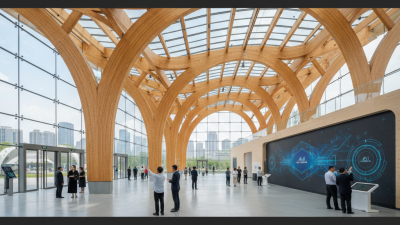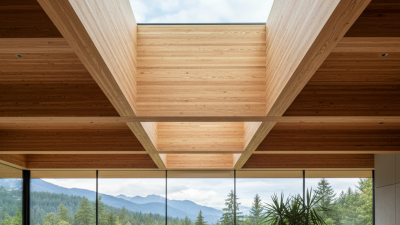


Engineered lumber beams are transforming modern construction. These beams offer strength and versatility, making them ideal for various building projects. Their structural integrity is a crucial factor that engineers and architects appreciate.
In the past, traditional lumber was the go-to choice. Today, the introduction of engineered lumber beams presents new opportunities. These beams are produced through advanced techniques, ensuring consistency and reliability. Each beam is designed to withstand heavy loads, providing peace of mind in design and safety.
Sustainability is another important aspect. Engineered lumber beams are made from fast-growing trees, reducing environmental impact. Utilizing these beams can lead to less waste and a more eco-friendly construction process. They also allow for innovative architectural designs. However, it is essential to consider factors like cost and availability in certain regions. Overall, the benefits are numerous, but careful planning is still required.
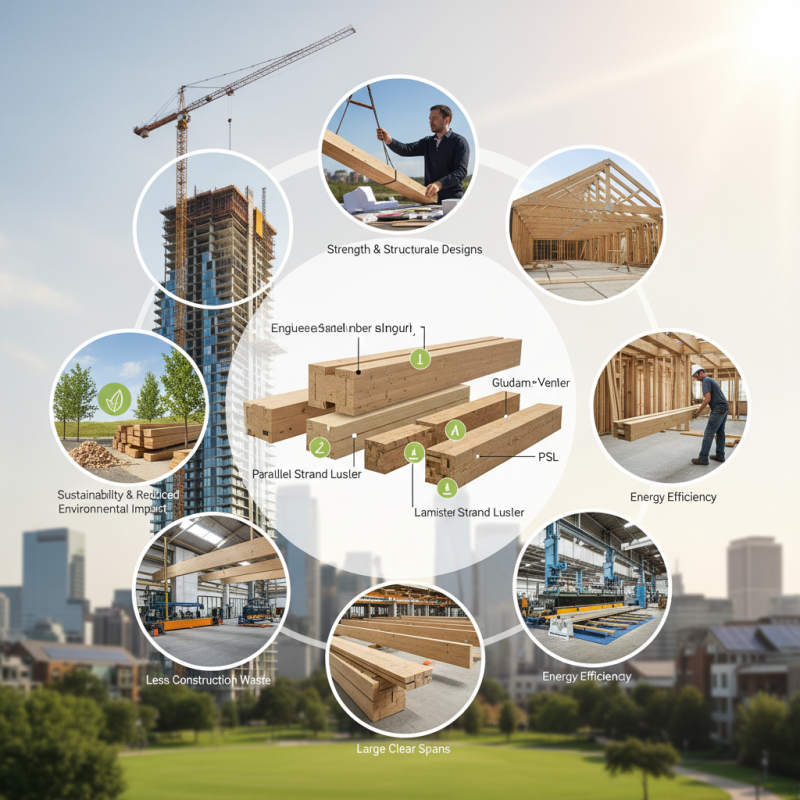
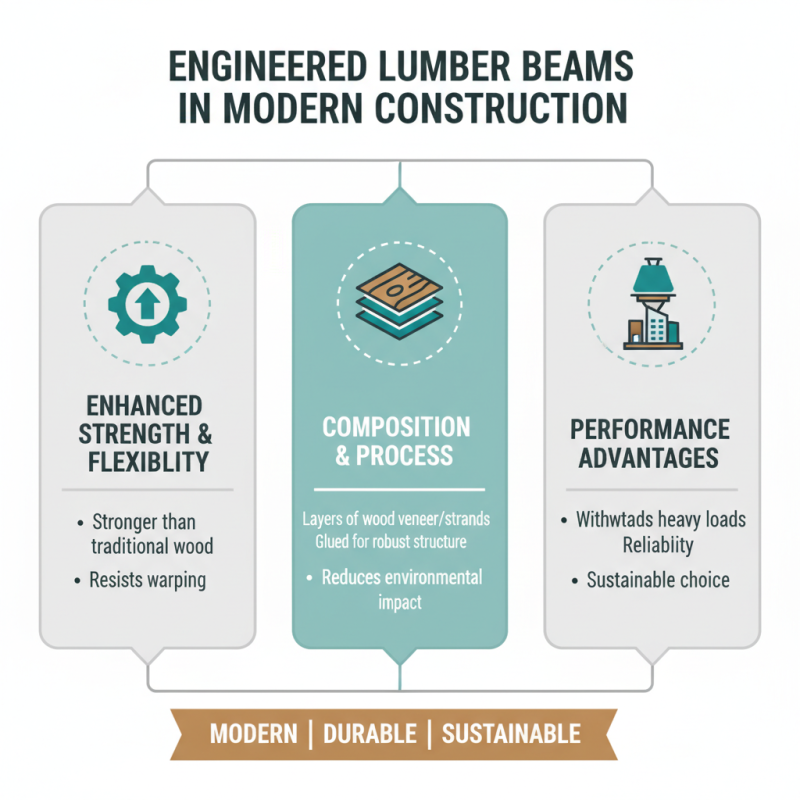
Engineered lumber beams have gained prominence in modern construction. They offer enhanced strength and flexibility compared to traditional wood. These beams are made from layers of wood veneer or strands, glued together to create a robust structure. This process reduces environmental impact while maximizing performance. Buildings utilizing engineered lumber demonstrate an ability to withstand heavy loads and resist warping.
Consider the design of your project carefully. Engineered beams can be customized in size and shape. This means adaptability, but it may also lead to oversights. Ensure that the dimensions meet your structural requirements precisely. A poorly sized beam can lead to serious structural issues.
When using engineered lumber, think about the connection methods. Builders often underestimate this aspect. Proper connection is crucial for the beam's integrity. A weak connection can diminish benefits gained through using engineered materials. Double-check your design plans to align with industry standards. Attention to detail is key to leveraging the full potential of engineered lumber in your construction projects.
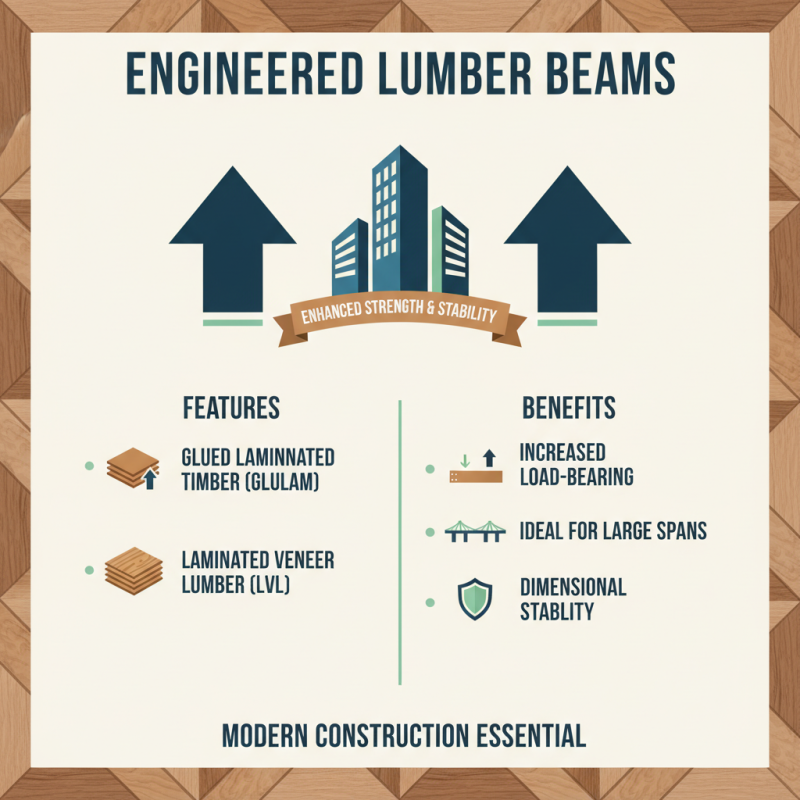
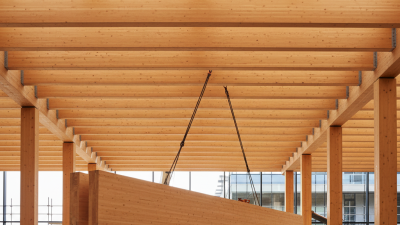
Engineered lumber beams have transformed modern construction by enhancing structural integrity and load-bearing capacity. These beams, often made from glued laminated timber or laminated veneer lumber, provide strength and stability, making them ideal for large spans. Unlike traditional lumber, which can warp or twist over time, engineered beams maintain their shape under various conditions. This consistency can be vital in ensuring long-lasting structural performance.
When selecting engineered lumber, consider the specific loads your project will bear. Different beam types are suited for unique applications. It's essential to consult with a structural engineer. They can help determine the right specifications for your needs. Remember, improper choices can lead to structural concerns later. Always verify the quality and certifications of the materials you choose.
Maintaining awareness of environmental factors is crucial. Moisture levels can affect engineered beams. Make sure to store them in a dry area before installation. Considering these factors upfront can prevent issues, such as mold or decay. While engineered beams present many benefits, they are also subject to challenges. Understanding these aspects can lead to a safer, more effective construction process.
Engineered lumber beams are becoming popular for their sustainability and eco-friendliness. They are often made from trees that are harvested responsibly. This means fewer forests are affected when producing these materials. Engineered lumber can also utilize smaller trees and wood scraps, which might otherwise go to waste. This approach helps reduce deforestation and promotes better forest management.
Another advantage is that engineered lumber is energy efficient. It requires less energy to produce compared to traditional lumber. This lower energy consumption translates into a smaller carbon footprint. Additionally, many engineered lumber products are designed for durability, meaning they can last longer. Longer-lasting materials reduce the need for replacements and further contribute to sustainability.
However, it is essential to recognize that not all engineered lumber products are created equal. Some may contain glues or chemicals that could emit volatile organic compounds (VOCs). Ensuring that the chosen product meets safety and eco-friendly standards is crucial. Consumers must be aware of these factors when selecting materials for construction. Making informed decisions can help balance modern construction needs with environmental responsibilities.
| Benefit | Description | Sustainability Impact |
|---|---|---|
| Reduced Waste | Engineered lumber utilizes wood resources efficiently, reducing offcuts and scrap. | Minimizes landfill waste and promotes sustainable forest management. |
| Energy Efficiency | Provides excellent insulation properties. | Reduced energy consumption for heating/cooling. |
| Lightweight | Easier to handle and transport than traditional lumber. | Lower transportation emissions due to reduced weight. |
| Design Flexibility | Can be manufactured to custom specifications. | Encourages creative and innovative architectural designs. |
| Strength and Durability | Higher load-bearing capacity compared to traditional lumber. | Long-lasting materials reduce the need for replacements. |
| Consistency | Manufactured to provide uniform quality and performance. | Reduces variance and assumptions in construction processes. |
| Resilience | More resistant to warping, cracking, and shrinking. | Enhances longevity and stability of structures. |
| Cost-Effective | Less material waste leads to lower project costs. | Financial savings contribute to sustainable projects. |
| Eco-Friendly Production | Often sourced from sustainable forests. | Promotes responsible forestry and conservation efforts. |
| Recyclability | Can be recycled or reused after their lifecycle. | Supports circular economy initiatives in construction. |
Engineered lumber beams significantly improve cost-effectiveness compared to traditional lumber solutions. Research from the U.S. Forest Service indicates that engineered wood components can reduce material costs by up to 30%. This is crucial for modern construction projects where budgets are tight. The consistency of engineered beams minimizes waste, as they are designed to be uniform in size and strength.
Furthermore, these beams often require less labor for installation. The lightweight nature of engineered lumber simplifies handling and reduces labor costs. For instance, construction time can be cut by 20% or more. This can lead to faster project completion, translating to savings on financing and overhead.
However, there are considerations. Although engineered lumber offers advantages, the initial investment can be higher than traditional wood. Some concerns about long-term durability exist, prompting discussions among builders. It's essential for professionals to weigh these factors against the benefits. By evaluating cost against performance, builders can make informed decisions that align with their project goals. Understanding both sides ensures that the use of engineered lumber meets the unique demands of modern construction.
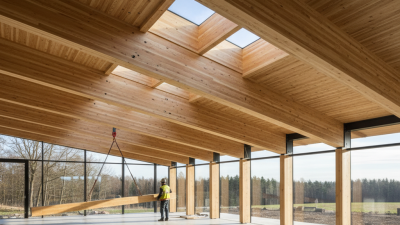
Engineered lumber beams present remarkable versatility for modern architectural designs. Their strength-to-weight ratio allows for unique shapes and longer spans without compromising structural integrity. This means architects can explore innovative designs that were once impractical. For instance, open-concept living spaces benefit greatly from these beams, allowing for unobstructed sightlines and more natural light.
Adjusting to various aesthetic needs is another advantage. Different finishes and configurations can complement diverse architectural styles. However, this flexibility sometimes leads to overconfidence in design choices. Architects may choose bold configurations without fully considering the implications for construction or functionality. While the materials are strong, the connections and support systems must also be equally robust. Every piece interacts with its surroundings, demanding careful consideration.
Furthermore, the adaptability of engineered beams can affect the overall project timeline. Quick adjustments in design can alter construction schedules. A contractor may find themselves racing to meet deadlines caused by last-minute changes. Balancing creativity with practicality remains a challenge. As architects embrace such materials, they must reflect on the potential pitfalls of versatility and remain grounded in structural realities.