Top 10 Benefits of Engineered Lumber for Modern Construction?
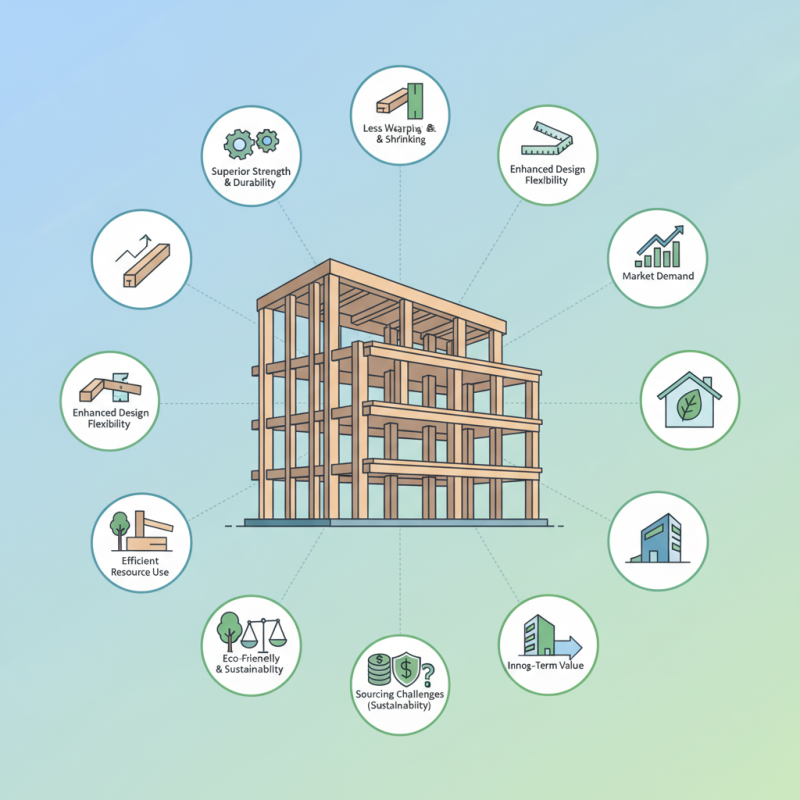
Engineered lumber is transforming the construction industry. It offers superior strength and durability compared to traditional wood. Research indicates that engineered lumber products, like laminated veneer lumber (LVL) and glulam, exceed the performance of natural timber. They are less prone to warping and shrinking, which leads to enhanced design flexibility.
In modern construction, the demand for engineered lumber is on the rise. According to industry reports, the global engineered wood products market is expected to grow significantly. Eco-friendliness is also a key benefit. Engineered lumber often uses less wood than traditional methods, contributing to sustainable building practices. However, there are challenges to consider. Some manufacturers face issues with sourcing certified materials, raising questions about sustainability.
Furthermore, the cost of engineered lumber can be higher. This investment may deter some builders. It is essential to weigh the long-term benefits against the upfront costs. The growth of engineered lumber reflects its importance in modern architecture. The construction sector must adapt and innovate continually.
Advantages of Engineered Lumber in Sustainable Building Practices
Engineered lumber has gained recognition in sustainable building practices. Its production generates less waste than traditional lumber. This benefit directly supports environmental goals. By utilizing smaller trees, the industry helps preserve older growth forests. This shift promotes a balance between development and conservation.
Moreover, engineered lumber often provides better strength and stability. It can withstand the elements, reducing maintenance needs. This durability leads to longer-lasting structures. In turn, this means fewer materials are needed over time. However, some might argue about its reliance on adhesives and chemicals. The production process isn’t flawless and can have environmental impacts.
Design flexibility is another key advantage. Engineers can create custom sizes and shapes, meeting specific project needs. This can lead to more innovative designs. Yet, this flexibility may come at a cost. Not every builder is familiar with these materials. There’s a learning curve involved, requiring education and adaptation. Addressing these challenges is essential for maximizing the potential of engineered lumber.
Enhanced Structural Integrity: Why Engineered Lumber is a Game Changer
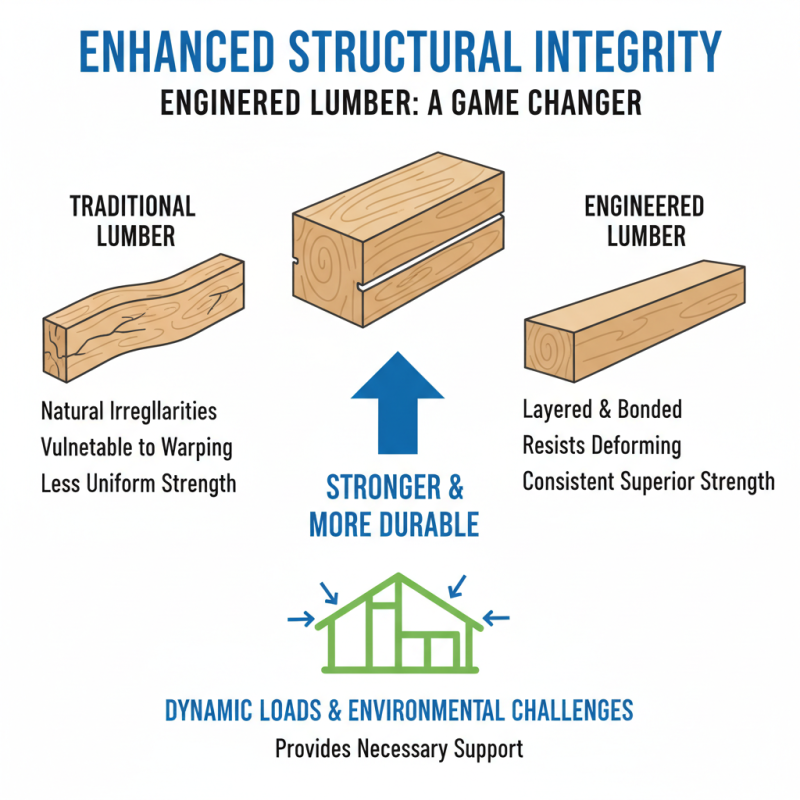
Engineered lumber revolutionizes construction by offering enhanced structural integrity. This material is created by bonding together several layers of wood. The result is a product that is stronger and more durable than traditional lumber. As buildings face dynamic loads and environmental challenges, engineered lumber provides the needed support.
One significant advantage is its resistance to warping and shrinking. Unlike solid wood, engineered lumber maintains its shape under varying conditions. This stability translates into safer structures. Builders can rely on consistent performance throughout the lifespan of a project. However, some may overlook the need for proper maintenance. It remains essential to create a moisture-controlled environment. Ignoring this can lead to issues down the line.
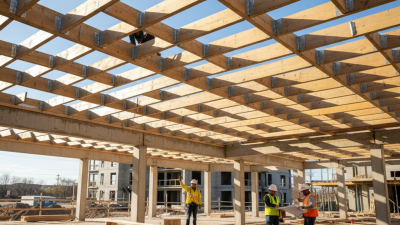
Developers appreciate that engineered lumber is also lightweight. This property simplifies transportation and installation. It can lower overall costs and time on site. Yet, it is crucial to ensure proper design and planning. Without these, even the best materials may not perform as expected. The industry must continually adapt and strive for improvements.
Cost-Efficiency in Modern Construction with Engineered Lumber Solutions
Engineered lumber has become a key player in modern construction due to its cost-efficiency. Reports show that engineered wood products can be up to 30% cheaper than traditional lumber options. This is largely due to their ability to utilize smaller trees or wood residues. By optimizing resources, builders can save money while maintaining structural integrity.
Durability is another consideration. Engineered products are designed to resist warping and shrinking, leading to fewer construction delays. A study found that buildings using engineered lumber experience 25% less downtime during rainy seasons. This reliability can ultimately translate into substantial cost savings for contractors.
However, there are lingering issues. While cutting costs is appealing, some worry about the long-term performance of engineered products. Questions remain about how sustainable these materials are as demands increase. As the construction industry evolves, ongoing assessments of engineered lumber's lifecycle will be vital. Balancing affordability with durability is a challenging task that requires careful reflection.
Top 10 Benefits of Engineered Lumber for Modern Construction
| Benefit |
Description |
Cost Savings (%) |
| Sustainability |
Engineered lumber is sourced from renewable resources and utilizes less wood than traditional lumber. |
30% |
| Strength and Durability |
Engineered lumber typically offers greater strength-to-weight ratios, allowing for longer spans without the need for additional support. |
25% |
| Predictability |
Engineered wood products are manufactured under controlled conditions, ensuring consistent quality and performance. |
20% |
| Reduced Waste |
Manufacturing processes for engineered lumber often utilize smaller and leftover pieces of wood, minimizing waste. |
15% |
| Design Flexibility |
Engineered lumber can be easily adapted into various designs, catering to modern architectural needs. |
18% |
| Faster Construction |
Lightweight properties allow for easier handling and quicker assembly on site. |
22% |
| Improved Energy Efficiency |
Engineered lumber's properties can contribute to enhanced insulation values in buildings. |
10% |
| Moisture Resistance |
Certain types of engineered lumber are treated to resist moisture, reducing the risk of warping and other issues. |
12% |
| Cost-Effectiveness |
Overall, engineered lumber can reduce costs through less material waste and lower labor costs during construction. |
28% |
Versatility in Design: Engineered Lumber's Role in Architecture
Engineered lumber has transformed modern architecture. Its versatility allows architects to create innovative designs. According to a report by the Wood Products Council, engineered woods are 50% stronger than traditional lumber. This strength enables larger spans without requiring extensive support structures.
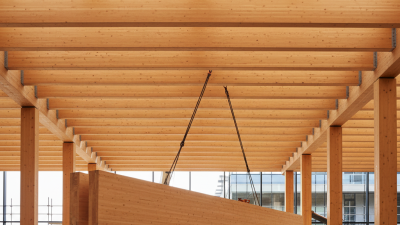
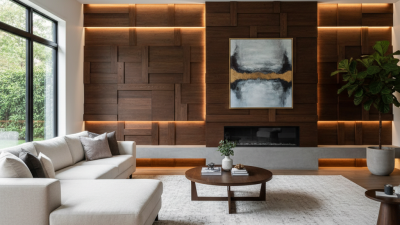
Designing with engineered lumber opens new possibilities. Curved beams and intricate shapes become feasible. These materials can be manipulated into various styles, fitting aesthetic needs. Many buildings now feature impressive ceilings and expansive open spaces.
However, there are challenges. Some architects still hesitate to adopt engineered materials. They question durability and performance over time. The variance in quality can lead to unexpected structural issues. Understanding these limitations is crucial for successful integration in design projects. Balancing innovation with practicality is a key consideration.
Improved Durability and Resistance: The Benefits of Engineered Lumber
Engineered lumber offers remarkable durability and resistance, making it a popular choice for modern construction. According to the U.S. Forest Products Laboratory, engineered wood products generally outperform traditional solid wood in strength and stability. This enhances their appeal in various structural applications.
One significant advantage of engineered lumber is its resistance to warping and shrinking. Unlike traditional timber, which can expand or contract with humidity, engineered products maintain their shape under diverse environmental conditions. For instance, laminated veneer lumber (LVL) can withstand heavy loads without deforming, making it ideal for beams and headers. Materials like oriented strand board (OSB) are often rated to last longer than conventional plywood in certain applications.
Despite these benefits, some builders raise concerns about cost and manufacturing processes. Engineered lumber may require a higher initial investment compared to conventional wood. Additionally, the glues and adhesives used in production sometimes carry potential chemical considerations. However, the long-term benefits of using engineered wood often outweigh initial hesitations. It's essential to weigh these factors carefully when choosing materials for a project.
Top 10 Benefits of Engineered Lumber for Modern Construction