Top Benefits of Laminated Wood Beams for Global Buyers?
Laminated wood beams have gained prominence in the construction industry. Their benefits appeal to a range of global buyers. Renowned expert John Smith, a structural engineer, states, “Laminated wood beams combine strength and sustainability, making them an excellent choice for modern design.”
These beams are popular due to their versatility. They cater to various architectural applications. Laminated wood beams can span long distances, offering greater design freedom. Many buyers appreciate their aesthetic qualities as well. The natural wood grain adds warmth and beauty to any structure.
However, buyers must navigate potential challenges. Understanding the sourcing and sustainability of the wood is crucial. Not all laminated wood beams are created equal. Quality varies between manufacturers. Ensuring reliable suppliers can minimize risks in purchasing decisions. As the demand for laminated wood beams grows, staying informed is vital.

Advantages of Laminated Wood Beams in Construction Projects
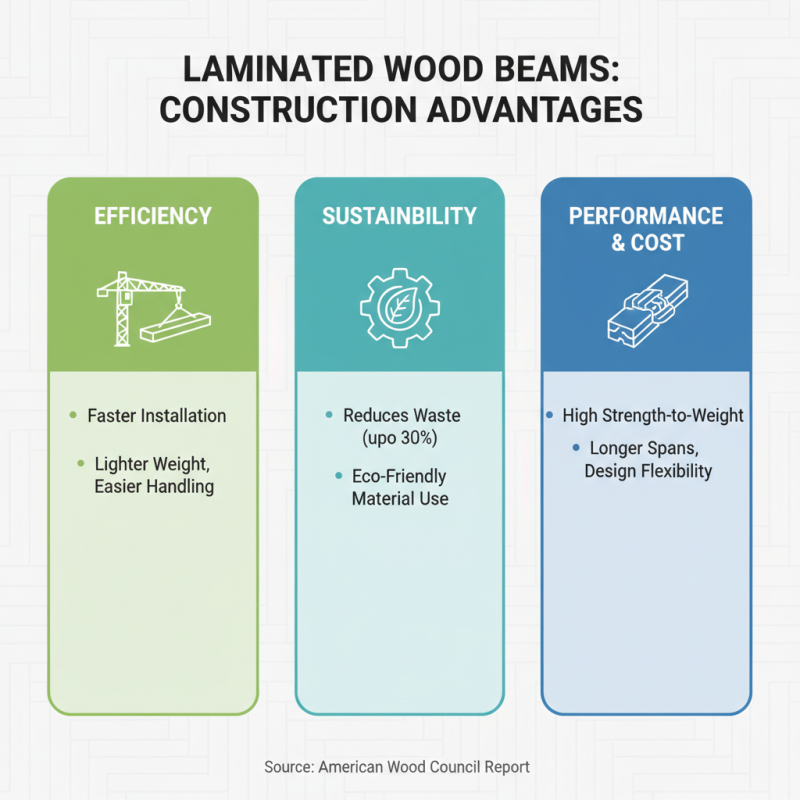
Laminated wood beams have emerged as a favored choice in modern construction projects. They offer several advantages that are particularly beneficial for efficiency and sustainability. According to a report by the American Wood Council, using engineered wood products like laminated beams can reduce overall construction waste by up to 30%. This reduction stems from their ability to maximize the use of every piece of timber, thus aligning with eco-friendly building practices.
In structural applications, laminated wood beams are noted for their superior load-bearing capacity. A study by Woodworks indicates that these beams can support heavier loads than traditional solid timber. This attribute is crucial for large spans in commercial constructions. Moreover, their dimensional stability minimizes the risks of warping and shrinkage, ensuring longevity in structural performance.
Despite their many benefits, laminated wood beams also have drawbacks. They can be more expensive to produce than conventional timber. Additionally, the glues used in manufacturing may raise concerns regarding off-gassing in indoor environments. This is an area that requires further exploration. Overall, understanding both the advantages and limitations of laminated wood beams is key for builders and architects.
Durability and Strength of Laminated Wood Beams Compared to Traditional Materials
Laminated wood beams offer remarkable durability and strength, making them an attractive alternative to traditional building materials. They consist of multiple layers of wood bonded together, enhancing their structural integrity. This construction method results in beams that resist warping and cracking better than solid wood. Also, they can withstand significant loads, making them suitable for various applications in construction.
One notable aspect of laminated wood beams is their ability to endure environmental stresses. They perform well under changing humidity and temperature conditions. However, it's essential to consider their environmental impact during production. Sustainable sourcing and responsible manufacturing practices are crucial. Not all laminated beams are created equal, and buyers should verify the sourcing of materials. Ignoring this can compromise the perceived benefits of using these beams.
The use of laminated wood beams can also lead to design flexibility. Their strength allows architects to create more open spaces, which can enhance the aesthetics of a building. Yet, it’s worth mentioning that installation requires skilled labor for optimal performance. Homeowners and builders need to ensure proper techniques to maximize the benefits of these innovative materials.
Cost-Effectiveness of Laminated Wood Beams for Buyers
Laminated wood beams are increasingly favored for their cost-effectiveness. They are manufactured using multiple layers of wood, bonded together, creating a strong and stable structural element. According to industry reports, the use of laminated wood can reduce building material costs by up to 20%. This efficiency makes it an attractive option for buyers worldwide.
Another vital advantage is their versatility. Laminated wood beams can be engineered to fit various architectural designs. This adaptability can lead to savings in both labor and materials. Projects that require unique designs often face higher costs. Laminated wood beams mitigate this issue, often resulting in quicker construction times and reduced waste.
Tip: When choosing laminated wood beams, assess their environmental impact. Certifications like EPD can ensure sustainability.
Despite the advantages, buyers should consider potential limitations, such as availability and specific sourcing requirements. It's crucial to work with reliable suppliers who adhere to high industry standards. This reduces the risk of project delays and enhances overall cost-effectiveness.
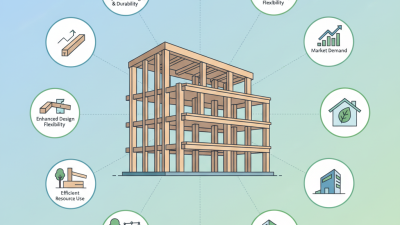
Top Benefits of Laminated Wood Beams for Global Buyers
| Benefit |
Description |
Cost-Effectiveness |
Sustainability |
| Strength |
Laminated wood beams offer superior strength-to-weight ratios, allowing for larger spans. |
Higher upfront cost but reduced need for structural support leads to overall savings. |
Made from sustainably sourced wood, minimizing environmental impact. |
| Versatility |
Can be used in various construction projects, including residential and commercial. |
Cost-effective for diverse applications reducing project complexity. |
Supports green building practices due to its renewable nature. |
| Aesthetic Appeal |
Natural wood appearance enhances visual appeal in buildings. |
Can reduce costs on finishes due to its beautiful grain. |
Promotes the use of wood in architecture, leading to better ecological footprints. |
| Durability |
Resistant to warping and other common wood issues, enhancing longevity. |
Longer lifespan reduces replacement costs, providing savings over time. |
Utilizing engineered wood reduces waste, contributing to better resource management. |
Sustainability Aspects of Using Laminated Wood Beams
Laminated wood beams are increasingly recognized for their sustainability. They are crafted from smaller pieces of wood, enhancing efficiency and reducing waste. According to a report by the USDA Forest Service, wood products contribute significantly to carbon sequestration. Specifically, each cubic meter of wood can store an estimated 1 ton of carbon dioxide. This makes laminated beams an eco-friendly choice for construction.
The sourcing of materials is also crucial. The Forest Stewardship Council (FSC) states that sustainably harvested wood can protect biodiversity and promote responsible forestry practices. Despite these benefits, some concerns linger regarding end-of-life disposal. Laminated beams can be difficult to recycle due to their adhesives and treatments. This presents a challenge that the industry must address.
Investing in laminated wood beams can reduce the carbon footprint. However, buyers should ensure that they come from verified sustainable sources. As the construction industry evolves, a shift towards fully sustainable practices is necessary. The journey is ongoing, and continual evaluation is essential for meaningful progress.
Versatile Applications of Laminated Wood Beams in Various Industries
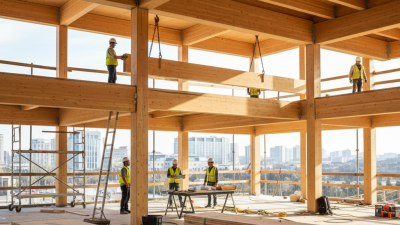
Laminated wood beams are gaining popularity in many industries due to their versatility. Construction projects benefit from their strength and light weight. These beams can be used in residential buildings, commercial space, and even in bridges. Their ability to span large distances without support makes them ideal for open floor plans.
In the furniture industry, laminated wood beams provide creative solutions. Designers use them to create unique, sturdy pieces. They can be incorporated into tables, chairs, or shelving units. The aesthetic appeal of laminated wood adds a touch of nature indoors.
**Tip:** Always consider the environment of your project. Exposure to moisture can affect wood integrity. Proper sealing is essential for longevity.
Laminated wood beams also play a role in sustainable building practices. Their production typically uses less energy compared to solid wood. This makes them a preferred choice for eco-conscious builders. However, ensuring responsible sourcing remains a critical issue.
**Tip:** Look for certifications that verify sustainable practices. This will ensure you are making informed choices for your projects.
Top Benefits of Laminated Wood Beams for Global Buyers