Top 10 Benefits of Prefabricated Wall Systems for Global Buyers?
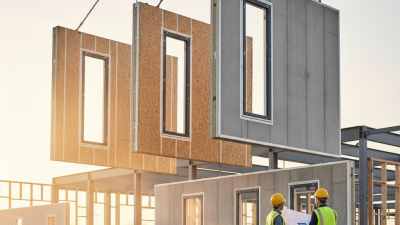
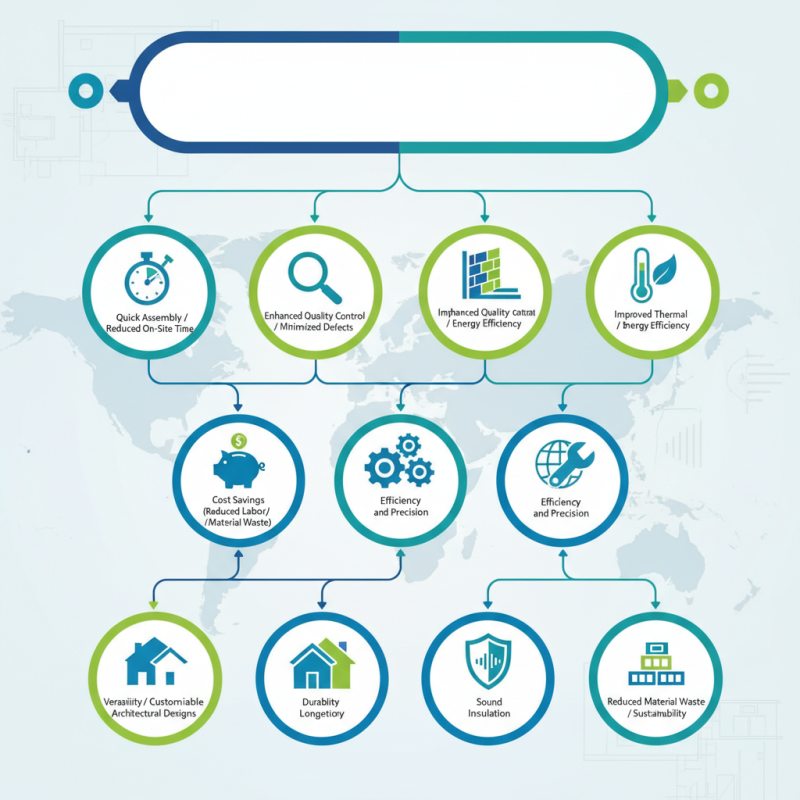
In the modern construction landscape, the adoption of the prefabricated wall system is gaining momentum. This innovative approach offers numerous advantages for global buyers. Prefabricated wall systems are designed for efficiency and precision. They provide quick assembly, reducing on-site construction time significantly.
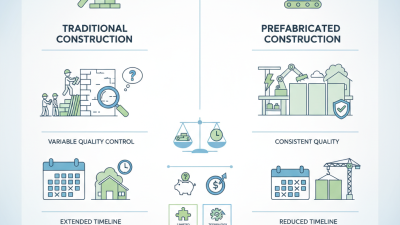
Moreover, these systems enhance quality control. Each wall is manufactured in a controlled environment, minimizing defects. Builders can expect improved thermal performance and energy efficiency. However, not every buyer is familiar with these benefits. Some may overlook the cost savings that come from reduced labor and material waste.
The versatility of prefabricated wall systems is another key feature. They can be customized to suit various architectural designs. Yet, challenges still exist. Buyers must consider local regulations and installation practices. Understanding these factors can help in making informed decisions. As the market evolves, the importance of acknowledging both benefits and limitations will be crucial for global buyers.
Overview of Prefabricated Wall Systems in Modern Construction
Prefabricated wall systems have transformed modern construction. These systems offer numerous advantages for global buyers. A report by MarketsandMarkets indicates that the prefabricated construction market is projected to grow significantly. This growth is driven by factors like cost efficiency and speed of construction.
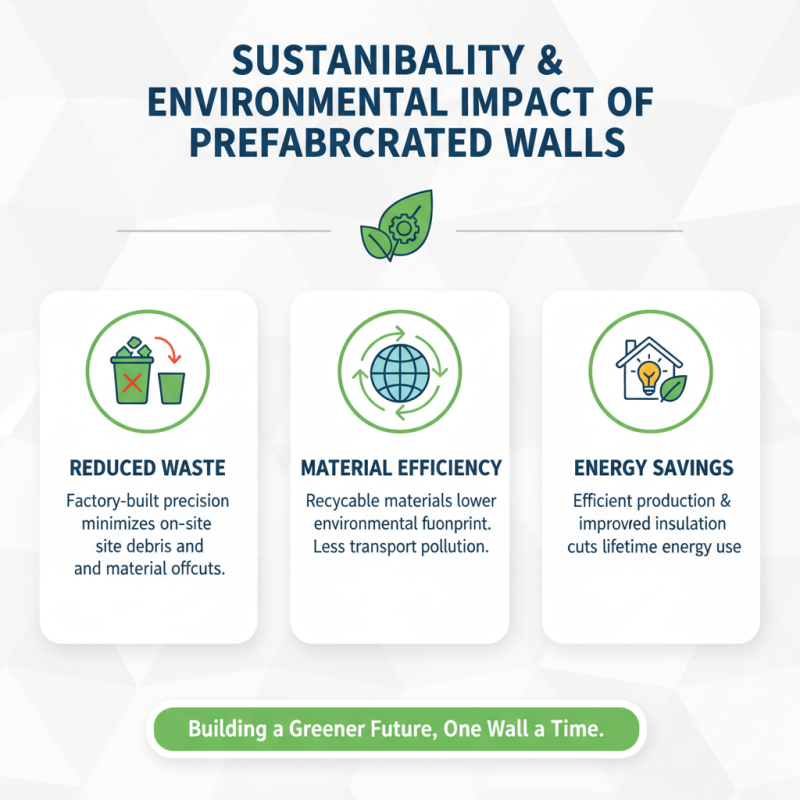
These systems are designed for quick assembly and reduced waste. In fact, prefabricated methods can cut construction time by up to 50%. Builders can complete projects faster, leading to earlier occupancy dates. Builders also report 30% less material waste compared to traditional construction. This efficient use of resources can lead to significant cost savings.
Tip: Assess your project needs carefully. Prefabricated wall systems suit various applications, from residential to commercial. Choose a system that aligns with your design goals. Consider the local climate and regulations, which may influence material choices.
Prefabricated walls improve thermal efficiency. According to industry studies, they can reduce energy consumption by as much as 40%. This is vital in an era where sustainability is crucial. However, buyers should reflect on how prefab systems fit into long-term maintenance plans. Some may find adapting to these new technologies challenging.
Tip: Stay updated with the latest advancements in prefabrication. Attending industry workshops can provide insight. Networking with professionals can enhance understanding and application of these systems.
Cost Efficiency of Prefabricated Wall Systems for Buyers
Prefabricated wall systems offer significant cost efficiency, a key factor for global buyers. According to a report from the McKinsey Global Institute, construction costs can be reduced by up to 20% when utilizing prefabricated solutions. This reduction mainly stems from streamlined manufacturing processes. By fabricating wall systems off-site, labor costs diminish. Time saved on-site translates to quicker project completions, further lowering overall expenses.
Moreover, energy efficiency plays a critical role in cost savings. A study by the Building Research Establishment found that prefabricated buildings consume up to 30% less energy annually compared to traditional construction methods. This leads to lower utility bills. However, not all prefabricated systems are the same. Some may require more energy during production. Buyers must assess the long-term sustainability of their choices.
Investing in prefabricated wall systems comes with initial costs. Buyers should evaluate their project budget thoroughly. While the promise of savings is appealing, not all projects will experience immediate benefits. Market fluctuations can impact material costs post-purchase. Engaging with trusted suppliers and detailed financial forecasting is crucial. This careful planning can maximize the cost benefits of prefabricated wall systems.
Speed of Installation: How Prefabricated Walls Save Time
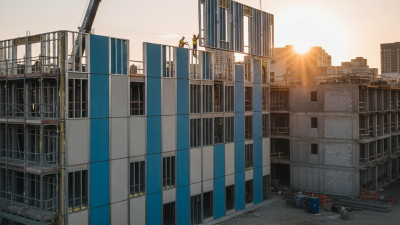
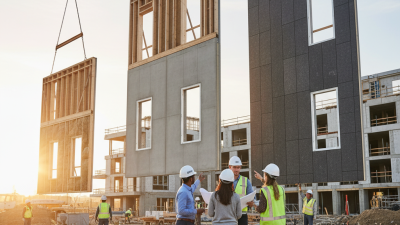
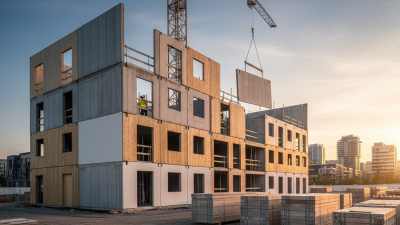
Prefabricated wall systems have revolutionized construction processes. One key advantage is their speed of installation. Traditional methods can be time-consuming. With prefabricated walls, entire sections are built off-site. This approach allows for quicker assembly on-site, reducing project timelines significantly. Contractors can complete projects faster, which is crucial for meeting tight schedules.
Building with prefabricated walls can also minimize weather-related delays. Workers can install these systems in less time, even during adverse weather conditions. This efficiency can lead to cost savings as labor and overhead expenses decrease. Moreover, there’s a consistent quality in prefabricated components, ensuring better overall construction quality. However, it's essential to factor in logistics. Transportation of these large units can be challenging and requires careful planning.
Sometimes, there are unforeseen challenges when installing prefabricated walls. The fit on-site may not always align perfectly with the existing structure. Communication between teams must be precise to avoid rework. Even with all the advantages, potential installation issues remind us that careful on-site management is vital. Adapting to these challenges is essential for success.
Customization Options in Prefabricated Wall Systems
Customization options are a key benefit of prefabricated wall systems. Buyers can tailor these systems to their specific needs. Features such as insulation, aesthetics, and dimensions can be adjusted. This flexibility enhances user satisfaction and fits diverse project requirements. Each project has unique demands. Customization addresses these real-world challenges effectively.
Clients can choose various materials, colors, and finishes. This allows for creativity in design. Custom elements can elevate the overall look of buildings. However, not all options may suit every project. It's important to weigh functionality against aesthetics. Sometimes, practicality must override decorative choices. This exploration can help buyers understand their true needs.
The ability to customize prefabricated walls can also streamline construction. By planning ahead, projects can avoid delays. Yet, insufficient research can lead to missteps. Understanding local regulations and environmental factors is crucial. Buyers should reflect on these aspects carefully. A well-informed decision-making process enhances the benefits of prefabrication.