Top 10 Benefits of Using Floor Trusses for Your Projects?
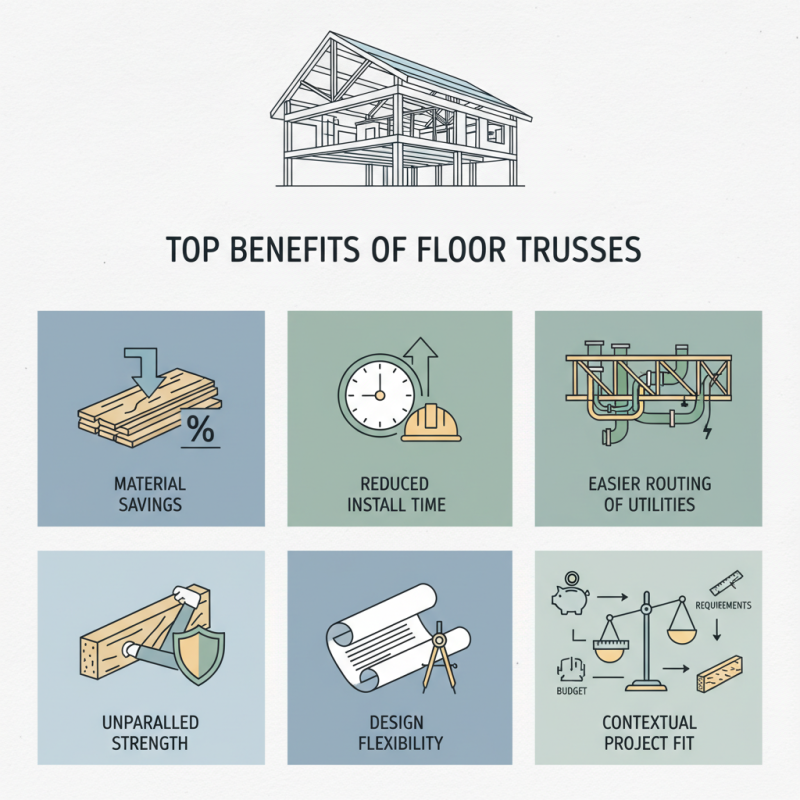
When it comes to modern construction, floor trusses have emerged as a revolutionary solution. According to the Structural Building Components Association (SBCA), buildings that use floor trusses can achieve up to 30% in material savings. This highlights the efficiency and effectiveness of this approach. Industry expert John Smith, a renowned structural engineer, emphasizes, "Floor trusses provide unparalleled strength while allowing design flexibility."
Moreover, the construction world is evolving rapidly. Traditional systems often struggle with the demand for quicker builds. Floor trusses address this need by reducing install time significantly. They also allow for easier routing of HVAC, plumbing, and electrical systems, which can be a headache otherwise.
Despite these benefits, it's essential to approach their implementation thoughtfully. Not all projects may benefit equally from using floor trusses. Understanding the specific needs of a project is vital. The use of floor trusses should be considered within the context of design, budget, and structural requirements. Balancing these aspects will lead to the most effective results.
Advantages of Floor Trusses for Structural Support in Buildings
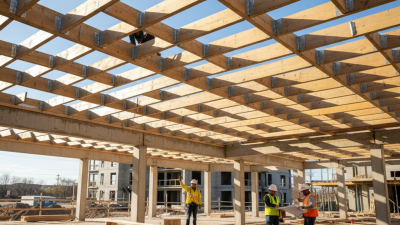
Floor trusses offer remarkable structural support in modern building projects. These engineered wood products are designed for strength, allowing for larger spans than traditional framing methods. Studies show that floor trusses can reduce overall construction time by up to 15%. This efficiency translates to lower labor costs and faster project completion.
The open web design of floor trusses also allows for easy routing of mechanical systems. Electrical, plumbing, and HVAC systems can be installed without compromising structural integrity. According to the American Wood Council, this design flexibility contributes to a more streamlined workflow on-site. However, not all projects may require trusses. In some cases, traditional joists may still be sufficient, leading to wasted costs if not evaluated properly.
Furthermore, the sustainability aspect is worth mentioning. Floor trusses use less material than solid lumber, potentially reducing the overall carbon footprint. According to a report from the Forest Stewardship Council, engineered wood products like trusses utilize faster-growing species of trees, promoting more sustainable forestry practices. Despite these benefits, the initial investment in trusses can be higher. This may not suit every budget, requiring careful financial consideration. The choice to use floor trusses should be informed and well-analyzed to maximize their advantages.
Enhanced Design Flexibility with Floor Trusses
Floor trusses offer remarkable design flexibility for various construction projects. Unlike traditional framing methods, they allow for larger spans without compromising structural integrity. This flexibility can lead to open floor plans, essential in modern architectural design.
According to a recent industry report, the use of floor trusses can reduce material costs by up to 15% while maximizing usable space.
Moreover, floor trusses minimize the need for load-bearing walls. This feature enables architects to create innovative layouts that suit diverse needs. Designers often leverage this ability for residential and commercial spaces. The versatility of trusses allows for integration of plumbing and electrical systems within the structure, enhancing overall efficiency.
In fact, studies show that projects utilizing trusses often experience a 20% reduction in construction time.
While floor trusses provide numerous advantages, they do require careful planning. Not understanding local building codes or load requirements can lead to structural issues. Additionally, some builders may struggle with the installation process. This highlights the importance of collaboration with knowledgeable engineers and architects. Engaging with experienced professionals ensures the maximum benefits of floor trusses are realized in each project.
Improved Energy Efficiency and Insulation Properties
Using floor trusses for construction projects offers significant energy efficiency and insulation benefits. These trusses create a space for air circulation. This allows for better insulation materials to be integrated into your structure. The result is a more regulated indoor climate, reducing the need for excessive heating or cooling.
Furthermore, the design of floor trusses enables more efficient use of space compared to traditional framing. They allow for larger open areas without compromising structural integrity. This can improve airflow and natural light, enhancing energy efficiency. However, ensuring proper installation and alignment is vital. Improperly installed trusses might lead to gaps, resulting in energy loss.
Additionally, the versatility in design can sometimes lead to complex planning. It’s essential to weigh the benefits against potential challenges. Every project is unique; what works for one may not for another. Thoughtful consideration of insulation materials and placement can significantly enhance efficiency. This underscores the importance of expertise in making such critical decisions.
Faster Installation Processes Using Floor Trusses
Floor trusses offer a significant advantage in the installation process, making them an attractive option for many construction projects. They typically weigh less than traditional wood framing. This lightweight feature allows for easier handling and faster positioning. According to industry reports, projects utilizing floor trusses can see installation times reduced by up to 30%. This efficiency not only speeds up the project timeline but also enhances overall productivity.
The design of floor trusses allows for longer spans without the need for additional support. This design flexibility can lead to reduced labor costs. When installers do not need to place numerous supporting beams, the structural integrity is maintained while simplifying the installation process. However, it is crucial to ensure proper alignment and support during installation. Minor errors in truss placement can affect the entire floor system. Ensuring accuracy in this step is essential, as it impacts the overall project quality.
Moreover, the open web design of floor trusses enables easier routing of plumbing and electrical systems. This accessibility can shorten installation times for utilities as well. In some cases, teams report that utility installation can be completed 25% faster due to the accommodating design of floor trusses. However, planning is necessary to ensure all systems are optimally placed to avoid costly adjustments later.
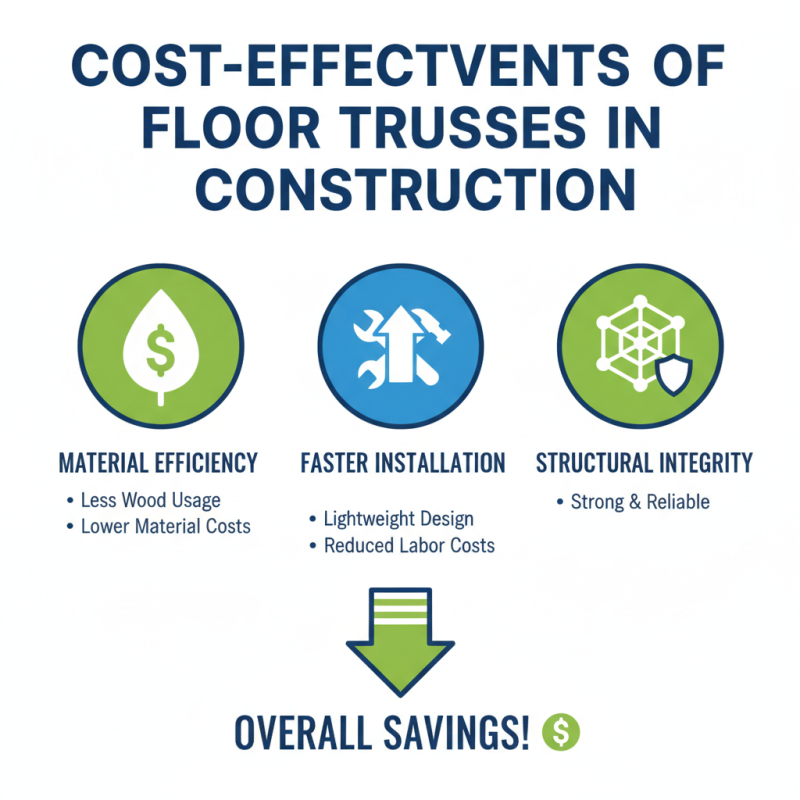
Cost-Effectiveness of Floor Trusses in Construction Projects
The cost-effectiveness of floor trusses in construction projects is evident in several ways. One significant advantage is material efficiency. Floor trusses use less wood than traditional framing methods. This can lead to lower material costs while maintaining strong structural integrity. Additionally, their lightweight design allows for easier handling and faster installation, which cuts down on labor costs.
Moreover, floor trusses can span longer distances without internal support. This feature maximizes usable space in a building. Fewer supports mean less material and time spent on construction. Also, the open web design allows for easy routing of plumbing and electrical systems, further saving on installation costs. While these benefits are compelling, one must also consider local building codes and regulations. Not every project may benefit from trusses equally.
Some contractors may face challenges in adapting to new methods or materials. It’s crucial to ensure that your team is trained properly. Even with the advantages, it’s essential to assess the specific needs of each project. By doing so, you can make informed decisions that enhance both efficiency and costs.