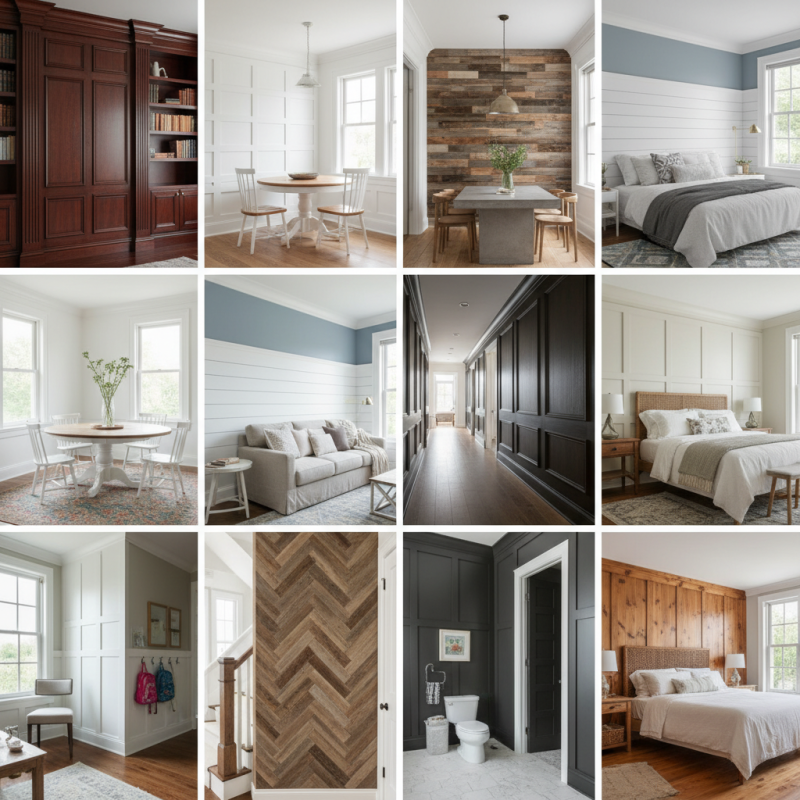
10 Best Wood Wainscoting Ideas to Enhance Your Home Decor?
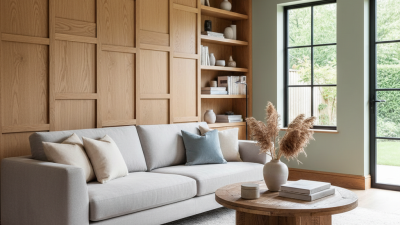
Wood wainscoting has become a beloved option for home decor enthusiasts. This elegant design element adds warmth and texture to walls. According to interior design expert Emily Henderson, "Wood wainscoting transforms a space, giving it both character and charm."
Incorporating wood wainscoting into your home can create visual interest. Consider the type of wood and finish carefully. Each choice can evoke a different atmosphere. Dark, rich woods may convey a cozy feel, while light woods often generate a more open space.
Despite its beauty, wood wainscoting requires maintenance. It can be susceptible to wear over time. There’s a learning curve in the installation process too. Flaws may become apparent if not executed properly. Reflecting on these challenges can lead to better design choices and personal satisfaction in your living space.
Types of Wood Wainscoting: An Overview of Popular Styles
Wood wainscoting adds warmth and character to any room. It serves both functional and aesthetic purposes. There are several popular styles of wood wainscoting to consider. Each brings its own vibe to your home decor.
Beadboard is a classic choice. It features evenly spaced vertical grooves, creating a quaint cottage feel. It's ideal for kitchens and bathrooms. Raised panel wainscoting offers a more formal look. This style showcases beautiful wood craftsmanship, perfect for dining areas or hallways. Flat panel wainscoting is sleek and modern. It fits well in minimalist spaces, bringing subtle refinement.
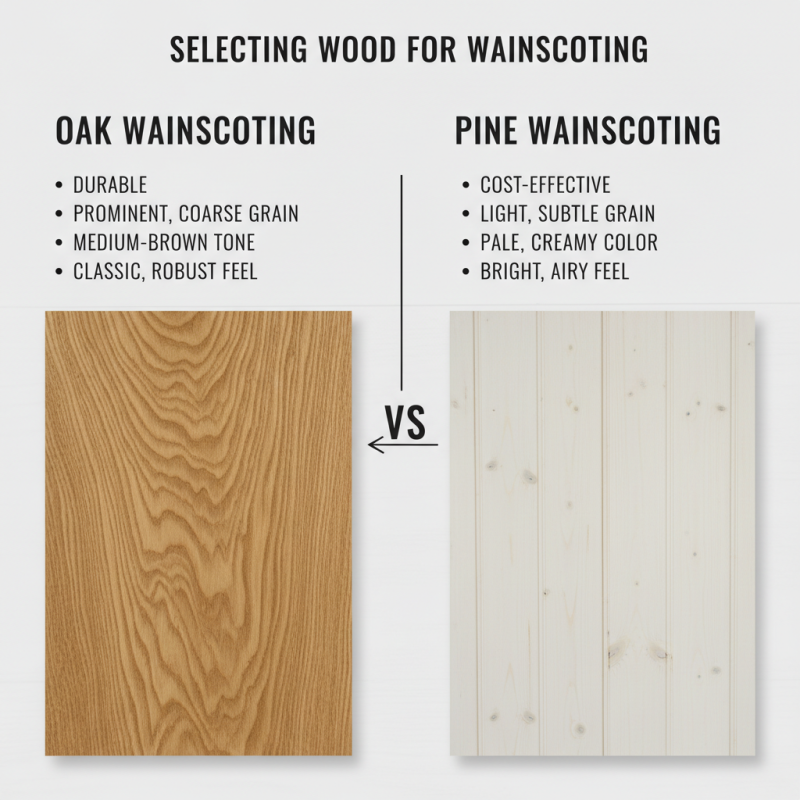
Tips: Choose the right wood type for your environment. Softer woods like pine are easy to work with but may dent easily. Hardwoods like oak offer durability but can be pricier. Consider painting or staining your wainscoting. A bold color may add depth to a neutral space. Remember, the height of the wainscoting matters. It can visually change how tall a room feels. Aim for a height between 32 and 42 inches.
Take time to plan your design. Visualize how the wainscoting will interact with other elements in the room. Sometimes, less is more. The wrong style or scale can overwhelm your decor. Always be mindful of proportions when selecting your wainscoting style.
10 Best Wood Wainscoting Ideas to Enhance Your Home Decor
| Wainscoting Type |
Material |
Style |
Ideal Room |
Color Options |
| Beadboard |
Pine |
Traditional |
Living Room |
White, Light Blue |
| Flat Panel |
MDF |
Modern |
Bedroom |
Gray, Beige |
| Raised Panel |
Oak |
Classic |
Dining Room |
Dark Brown, Cream |
| Board and Batten |
Cedar |
Rustic |
Hallway |
Natural, Charcoal |
| Shiplap |
Pine |
Coastal |
Bathroom |
White, Soft Green |
| Plywood Panel |
Plywood |
Contemporary |
Home Office |
Natural Finish |
| Overlay Wainscoting |
MDF |
Art Deco |
Entryway |
White, Gold Accents |
| Wire Brushed Wood |
Reclaimed Wood |
Industrial |
Loft |
Gray, Weathered |
| Tounge and Groove |
Fir |
Classic |
Library |
Dark Green, Walnut |
| Moulding Wainscoting |
Hardwood |
Elegant |
Formal Dining |
Ivory, Light Gray |
Benefits of Installing Wood Wainscoting in Your Home
Wood wainscoting is more than just a decorative choice. It creates an inviting atmosphere in your home. According to a report by Remodeling Magazine, adding wainscoting can boost your home’s value by as much as 15%. This is a noticeable increase, particularly in the living and dining areas.
Beyond aesthetics, wood wainscoting offers practical benefits. It acts as a protective barrier against scuffing and damage, especially in high-traffic areas. Homes with children and pets often show wear on their walls. A well-installed wainscoting can minimize these issues. It is also an excellent insulator. Properly sealed wood can improve energy efficiency, according to the U.S. Department of Energy. That said, it requires regular maintenance to prevent issues like warping or mold.
However, not all wood types are created equal. Some might expand or contract due to humidity changes. This could lead to gaps or misalignment over time. Choosing the right wood and finish is essential. Consider the overall climate of your area. Make sure to factor in your lifestyle. The comfort and warmth wood brings are undeniable, but it needs careful consideration.
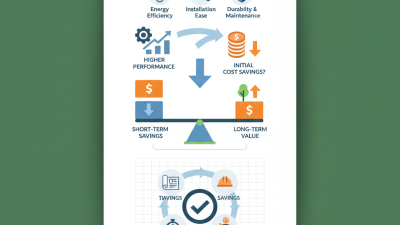
Wood Wainscoting Benefits Visualization
Creative Ways to Incorporate Color with Wood Wainscoting
Wood wainscoting adds warmth to any room. Pairing it with color can create stunning effects. For example, painting the upper wall in a soft blue while keeping the wainscoting white highlights the texture. This contrast draws the eye and makes the space feel more inviting. You can also choose deeper colors for a more dramatic look.
Adding color to wainscoting itself is another option. A muted green or rich burgundy can provide depth. These shades allow homeowners to experiment. However, too bold a choice can overwhelm a small space. It’s essential to consider the overall design. Sometimes, a subtle color shift can make a significant impact without dominating the room. Don't shy away from trying different shades. Testing samples can lead to unexpected delights.
Tips for Choosing the Right Wood Species for Wainscoting
When selecting wood for wainscoting, consider the species that best complements your decor. Different woods have unique grains and colors. For example, oak offers durability and a prominent grain. Pine, on the other hand, is light and cost-effective. These features can dramatically change the room's atmosphere.
Another important factor is the finish. Certain woods absorb stains differently. Cherry can develop a rich patina over time. Maple provides a smooth, uniform look, ideal for modern spaces. However, be cautious—some finishes may not work well with specific wood types.
Consider the maintenance required for each species. Hardwoods tend to resist wear but can be pricier. Softwoods may scratch more easily but are simpler to replace. Be honest about your lifestyle. If you have pets or children, opt for sturdier options. Balancing aesthetics and practicality will yield the best results.
DIY vs. Professional Installation: What to Consider for Wainscoting
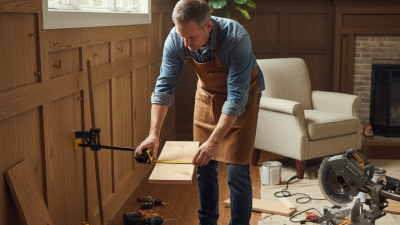
When considering wainscoting installation, the choice between DIY and professional help is crucial. Recent surveys indicate that nearly 70% of homeowners opt for professional installation due to its quality and time-saving benefits. Installing wainscoting yourself might save money initially, but complications can arise. Mismatched seams and uneven panels are common mistakes. Such issues can lead to more expenses later on.
On the other hand, hiring professionals ensures a polished final look. Experts bring precision and experience that DIYers often lack. Reports suggest that homes with well-installed wainscoting can see a 12% increase in property value. This can justify the upfront costs of professional help. While you might enjoy the learning aspect of a DIY project, you may not achieve the same level of craftsmanship. Reflect on the long-term benefits versus short-term savings before deciding.