Best Wood Wainscoting Panels for Your Home Decor Needs?
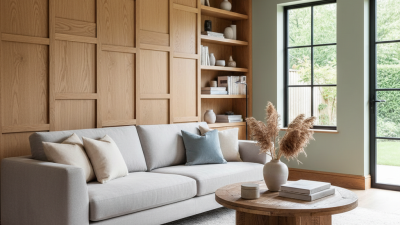
When enhancing your home decor, wood wainscoting panels can be a game changer. These panels add warmth and elegance to any space. They create a timeless look that suits various interior styles, from traditional to modern. Choosing the right wood wainscoting panels requires careful consideration of material, design, and color.
Imagine the cozy atmosphere created by rich mahogany or the fresh feel of light oak. Each type brings its unique character and charm. However, selecting the perfect panel can be overwhelming. The abundance of styles available might leave you wondering which one fits your vision best.
Quality matters. Durable wood wainscoting panels not only enhance aesthetics but also provide long-lasting value. Investing in reliable, well-crafted panels can transform your spaces for years to come. Yet, one must be cautious of inferior products. The market is filled with options that may lack quality. It’s essential to research and seek expert opinions. This guide aims to clarify your choices and inspire confidence in your decision-making.
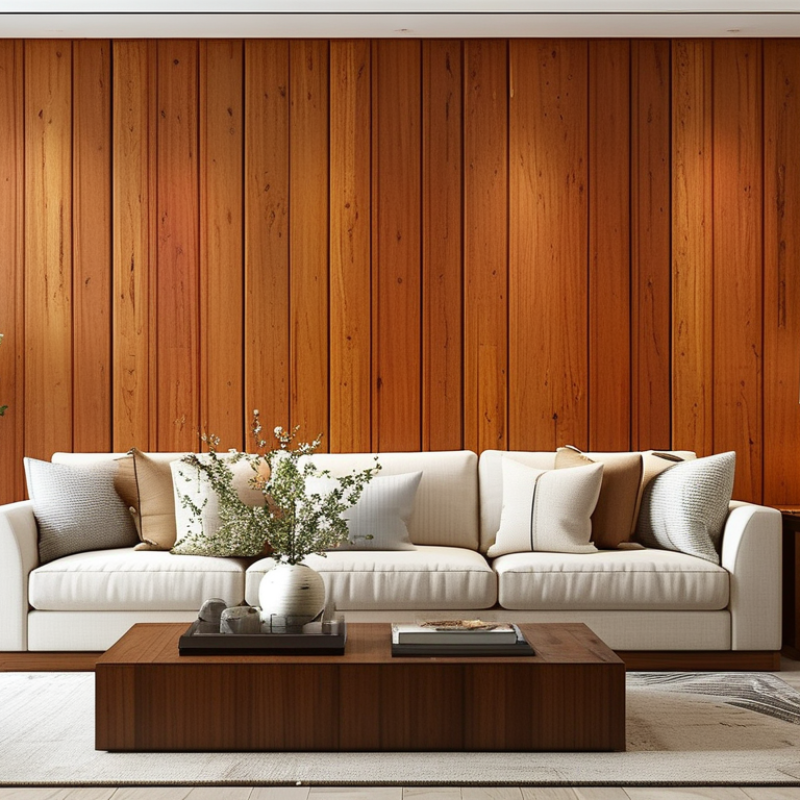
Types of Wood Wainscoting Panels for Various Home Styles
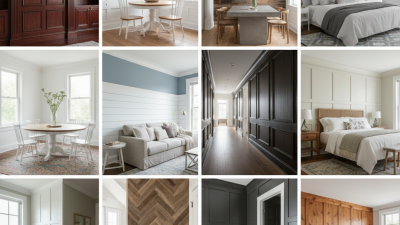
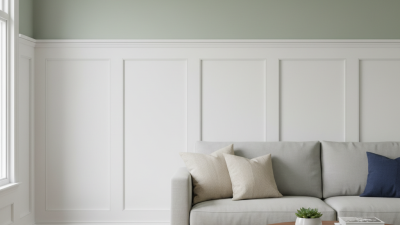
When considering wood wainscoting panels for your home, the variety can be overwhelming. Different styles can dramatically change the look of your space. Shaker-style panels work well in modern homes, offering a clean and simple aesthetic. They blend seamlessly with minimalistic decor. Unlike intricate designs, Shaker panels are straightforward and can be painted or stained to match various color palettes.
For a more traditional ambiance, raised panel wainscoting may be the best choice. This type features three-dimensional surfaces that add depth and elegance. It pairs well with classic furniture and can enhance the overall character of a room. However, it may overwhelm smaller spaces, so careful consideration is necessary. The detailing in raised panels also requires more upkeep, which can be a downside for some.
Farmhouse-style wainscoting provides a rustic appeal. Typically featuring beaded boards, this style is perfect for country-themed interiors. It adds warmth and charm, creating a welcoming atmosphere. While this style is visually appealing, it may not be suitable for contemporary settings. Homeowners need to ensure that this choice aligns with the overall design theme. Balancing aesthetics with functionality is vital in making the right decision.
Best Wood Wainscoting Panels for Your Home Decor Needs
| Type of Wood |
Style |
Best Fit Decor |
Maintenance |
Price Range |
| Pine |
Traditional |
Country homes, Cozy interiors |
Low-maintenance |
$20 - $40 per panel |
| Oak |
Rustic |
Farmhouses, Vintage style |
Medium maintenance |
$30 - $50 per panel |
| Maple |
Modern |
Contemporary spaces, Minimalist designs |
High maintenance |
$40 - $70 per panel |
| Cherry |
Elegant |
Luxury homes, Formal settings |
Medium maintenance |
$60 - $100 per panel |
| Mahogany |
Classic |
Traditional and opulent settings |
Low maintenance |
$80 - $150 per panel |
Benefits of Using Wood Wainscoting in Interior Design
Wood wainscoting adds warmth and character to any room. Its timeless appeal makes it a popular choice for homeowners. According to the Joint Center for Housing Studies, well-designed interior spaces can increase a home's value by up to 15%. This is where wood wainscoting shines, offering both aesthetic and financial benefits.
Benefits include enhanced durability and easy maintenance. Unlike paint, wood is less prone to chipping and fading. Wood panels can handle daily wear better than many other materials. They also provide excellent insulation, helping maintain a comfortable indoor climate. In fact, wood has natural thermal properties that contribute to energy efficiency.
Tips: When selecting wainscoting, consider the type of wood. Oak, for instance, is strong but may require more upkeep. Mixing different wood finishes can create a unique look. Also, keep your room's size in mind. Tall wainscoting can make a room feel more spacious, while lower panels can provide a cozy vibe. Experimenting with heights can lead to unexpected charm, but don’t overlook balance with the room's other features.
Key Factors to Consider When Choosing Wood Wainscoting Panels
When choosing wood wainscoting panels, several key factors influence your decision. Material type is crucial. Softwoods like pine offer an affordable option, while hardwoods such as oak provide durability and elegance. According to industry reports, hardwoods last approximately 40% longer than softwoods in high-traffic areas.
Another factor is design. Consider the style of your home. Traditional homes often suit raised panels, while modern spaces may benefit from flat panels. Styles can dramatically change the feel of a room. A recent survey indicates that 68% of homeowners feel wainscoting enhances overall room aesthetics.
Tips: Ensure you measure your space correctly. Miscalculations can lead to wasted materials. It's wise to look at sample panels before making a final decision. Pay attention to texture; a smooth finish may work better in contemporary settings, while a distressed look may fit rustic environments.
Finish is also essential. Water-resistant finishes make cleaning easier and prolong the life of your wainscoting. According to a market study, homes with durable finishes retain value better in competitive markets. Ultimately, your choice should reflect both personal taste and practical needs.
Installation Tips for Wood Wainscoting in Your Home
Wood wainscoting can transform your home. Proper installation is crucial for achieving that perfect finish. According to industry reports by the National Wood Flooring Association, nearly 70% of homeowners prefer wood over other materials for its aesthetic and durability.
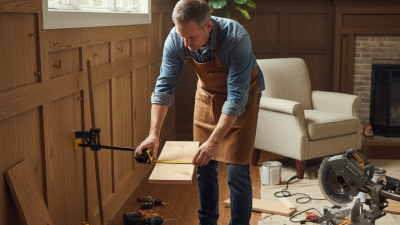
Before you start, ensure you have the right tools. A level, stud finder, and nail gun are essential. The first mistake many make is neglecting surface preparation. Make sure walls are clean, dry, and smooth. This step prevents future issues such as warping or misalignment. Accurate measurements matter. Measure twice to avoid costly mistakes.
When installing, begin on the longest wall. A reliable method is the "bottom-up" approach. Secure the first panel, then cut the next to fit. Adapting to uneven walls requires precision. Use a caulk gun for finishing touches for a seamless look. It helps fill gaps that can detract from the design. Remember, the process is not just about aesthetics; it’s about ensuring longevity. Consistency in installation often reflects quality, something many DIYers overlook. A report showed that 40% of installations need rework due to improper techniques. Take your time.
Wood Wainscoting Panels Popularity by Style
Maintaining and Caring for Wood Wainscoting Panels
Wood wainscoting panels can bring timeless beauty to any space. However, they require proper maintenance and care to retain their charm. Dusting the panels regularly is crucial. Use a soft cloth to avoid scratches. Avoid harsh chemicals, as they can damage the finish. A simple mixture of mild soap and water can work wonders for deeper cleans.
Humidity can be a significant enemy of wood panels. It may cause warping or cracking over time. Keep your home’s humidity level balanced. Using a dehumidifier in moist seasons can help. It's essential to inspect your panels frequently. Look for signs of wear, like faded areas or loose seams. Spot treatment can keep your panels looking new, but it may not always blend perfectly. Embrace these imperfections; they add character and tell a story.