China Top Laminated Wood Beams Advantages and Applications Explained?
Laminated wood beams are gaining attention in the construction industry. Their advantages are numerous. They provide strength, stability, and flexibility, making them suitable for various applications. According to industry reports, the demand for laminated wood beams is projected to grow at a CAGR of 5% by 2025. This growth reflects a shift towards sustainable construction practices.
Construction methods are evolving, and laminated wood beams play a crucial role. They effectively reduce material waste and carbon footprint. However, challenges still exist. Some builders question the durability of laminated products compared to traditional materials. This hesitation can slow adoption rates.
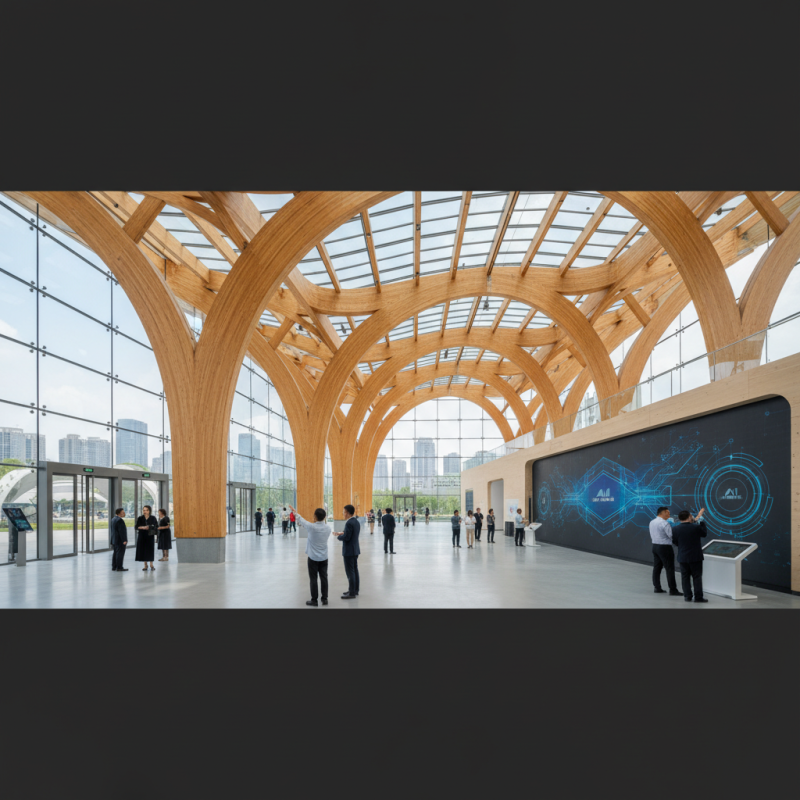
At the upcoming 2026 Canton Fair, laminated wood beams will showcase their potential. Advances in manufacturing and technology will be highlighted. Attendees can explore AI-enabled features, allowing for efficient supplier identification. The focus on innovative materials at this event suggests that laminated wood beams may lead the way in future construction trends.
Advantages of Laminated Wood Beams in Construction
Laminated wood beams offer numerous advantages in the construction industry. They are known for their strength and durability. These beams can span long distances without support. This feature allows for open spaces in buildings, enhancing architectural designs. Additionally, they are lightweight compared to traditional timber. This makes transportation and installation easier.
The process of lamination involves glueing layers of wood together. This technique reduces defects like warping and cracking. As a result, laminated wood beams can withstand various weather conditions. They provide excellent thermal insulation too. However, concerns about wood’s susceptibility to fire and pests remain prevalent. Solutions and treatments are available, yet constant vigilance is essential.
Another point to consider is the environmental impact. Laminated wood can be sustainable when sourced responsibly. It’s crucial to consider the origins of the wood. Using reclaimed or certified wood helps mitigate negative effects. Overall, while laminated wood beams present several advantages, recognizing their limitations leads to better choices in construction.
Advantages of Laminated Wood Beams in Construction
Common Applications of Laminated Wood Beams in Modern Architecture
Laminated wood beams are increasingly popular in modern architecture. Their strength and versatility make them a great choice for various applications. According to the Wood Products Council, these beams can support large spans without the bulk of traditional materials. This allows for open spaces in designs.
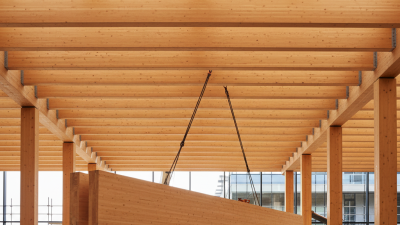
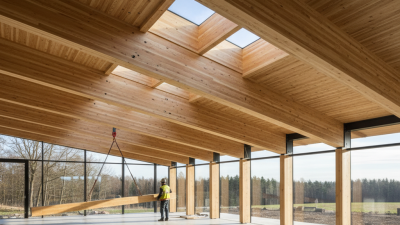
In residential buildings, laminated wood beams often serve as structural elements in ceilings and roofs. They provide a warm aesthetic that complements interior designs. In commercial structures, these beams are used for creating striking open spaces. Their strength allows for large windows and expansive areas without compromising safety.
However, it’s essential to consider potential drawbacks. The beams require careful treatment to resist moisture. Improper installation can lead to structural issues over time. Regular inspections are crucial to ensure their longevity. Despite these challenges, the benefits of laminated wood beams frequently outweigh the risks. Their applications continue to expand, showcasing the innovation in the architectural field.
China Top Laminated Wood Beams Advantages and Applications Explained
| Advantage |
Description |
Common Applications |
| High Strength |
Laminated wood beams have superior structural strength compared to traditional solid wood. |
Commercial buildings, bridges |
| Sustainability |
Made from renewable wood sources, contributing to environmentally friendly construction. |
Residential homes, eco-friendly structures |
| Versatility |
Can be manufactured in various shapes and sizes for different design needs. |
Architectural features, custom designs |
| Reduced Weight |
Laminated beams are lighter than traditional materials, easing transportation and installation. |
Temporary structures, roofing systems |
| Aesthetic Appeal |
Offers a natural wood finish that enhances the visual aspect of any structure. |
Interior design, exposed beams in buildings |
Comparative Analysis: Laminated Wood Beams vs. Traditional Wood Beams
Laminated wood beams are gaining traction in construction due to their strength and versatility. Unlike traditional solid wood beams, which can warp and crack, laminated wood beams offer enhanced performance. They are created by gluing together layers of wood, resulting in a uniform and stable product. According to a 2022 study by the Wood Products Council, laminated beams can withstand higher loads compared to conventional options, making them ideal for large structures.
One major advantage of laminated wood beams is their lightweight nature. They are easier to transport and install, significantly reducing labor costs. Traditional wood beams, while sturdy, are often cumbersome and require heavy machinery for moving. These solutions can lead to increased operational expenses and time delays. In fact, the same study reports that using laminated beams can save up to 15% on installation time.
Tip: When considering materials for construction, evaluate not just the initial costs, but also long-term performance and maintenance. Laminated wood beams can provide significant savings over their lifespan due to reduced maintenance needs.
Another point to ponder is the environmental impact. Laminated beams often utilize less wood compared to solid options, promoting sustainability. However, the adhesives used in production can be a cause for concern. Select manufacturers that adhere to stringent environmental standards to mitigate risks.
Tip: Always ask for documentation regarding the sourcing of wood and the types of adhesives used. This ensures you make an informed choice.
Environmental Benefits of Using Laminated Wood Beams
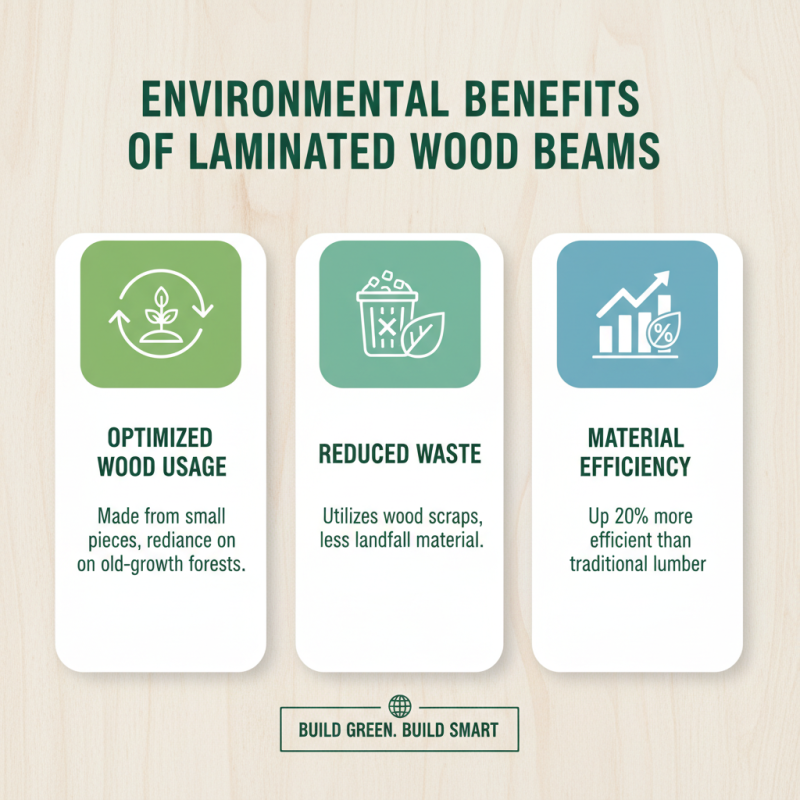
Laminated wood beams are becoming increasingly popular in construction due to their environmental advantages. These beams are made from small wood pieces glued together to form larger structural elements. This process not only optimizes wood usage but reduces waste. According to a recent industry report, laminated wood can be up to 20% more efficient in terms of material use compared to traditional lumber.
Wood is a renewable resource, and laminated beams help promote sustainable forestry practices. Data shows that for every cubic meter of laminated wood produced, approximately 1.1 tons of CO2 can be sequestered. This makes them a viable option for those looking to lower their carbon footprint. However, it is essential to ensure the sourcing of wood aligns with eco-friendly standards, as not all practices are environmentally sound.
Challenges do exist in the laminate wood industry. For instance, the adhesives used can sometimes release volatile organic compounds. Finding low-emitting alternatives remains a priority for the environment. More research is needed to balance performance and sustainability in wood components. Education on best practices in the industry is crucial to maximizing ecological benefits while minimizing potential downsides.
Key Factors Influencing the Durability of Laminated Wood Beams
Laminated wood beams are gaining popularity in construction due to their strength and versatility. Their durability, however, depends on several key factors. One major influence is the quality of the wood used. For instance, selecting high-grade timber ensures fewer defects and increased longevity. In contrast, lower quality wood can lead to early degradation.
Another critical aspect is the adhesive used in the lamination process. Poor quality adhesives may not bond effectively, compromising structural integrity. Over time, this can result in delamination or other failures. Additionally, environmental factors like humidity and temperature fluctuations play a vital role in the longevity of laminated wood beams.
The design and installation also require careful consideration. An improperly installed beam can face undue stress, leading to potential issues. While laminated wood beams can offer great benefits, flaws in any of these areas can negate their advantages. Reflecting on these aspects is essential for ensuring the desired performance of these beams.