China Top Prefabricated Wall System Innovations for Sustainable Construction?
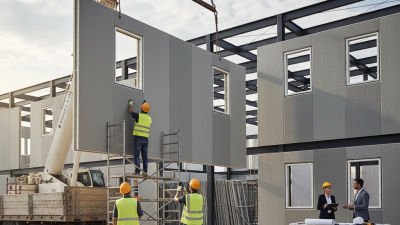
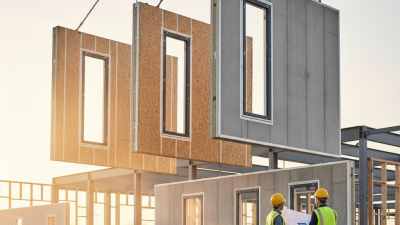
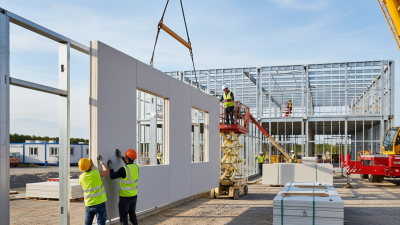
The construction industry is facing significant challenges amid increasing demand for sustainability. China is emerging as a leader in innovative building techniques, particularly with the use of prefabricated wall systems. These systems offer a unique solution to reduce waste, lower energy consumption, and enhance construction efficiency.
Prefabricated wall systems simplify the building process. They allow for quicker assembly and stronger structures. Many Chinese companies are pushing the boundaries of design and technology. They are making these systems more accessible for green building projects. However, challenges remain, such as integrating these innovations into traditional construction practices.
Sustainability in construction requires continuous reflection and improvement. The growth of prefabricated wall systems presents both opportunities and obstacles. As the industry evolves, it is crucial to weigh the benefits against the complexities of implementing new systems. The journey toward a more sustainable future in building is ongoing.
China's Prefabricated Wall System: Overview and Significance in Construction
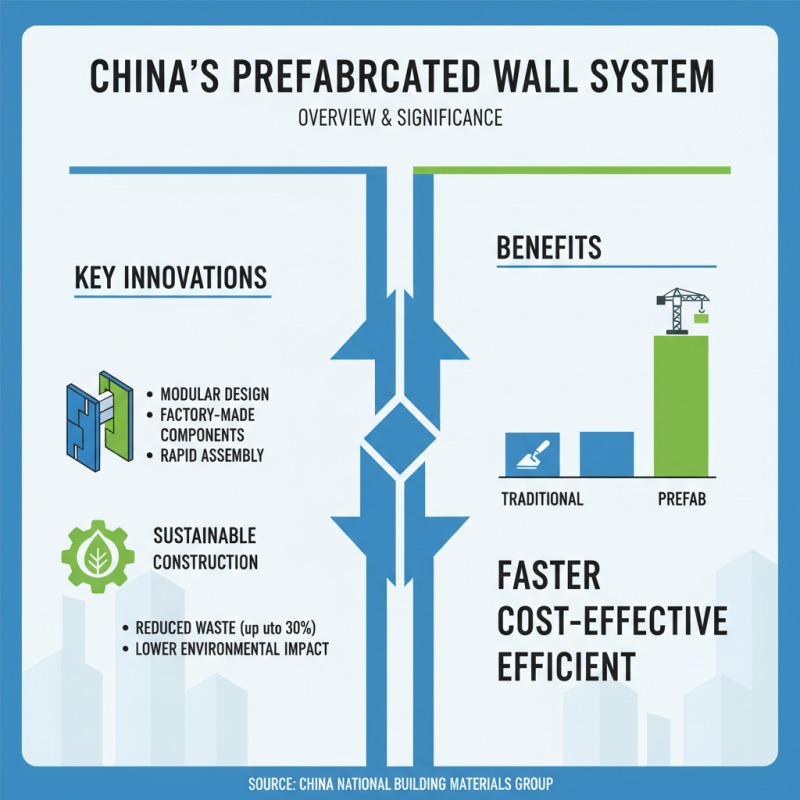
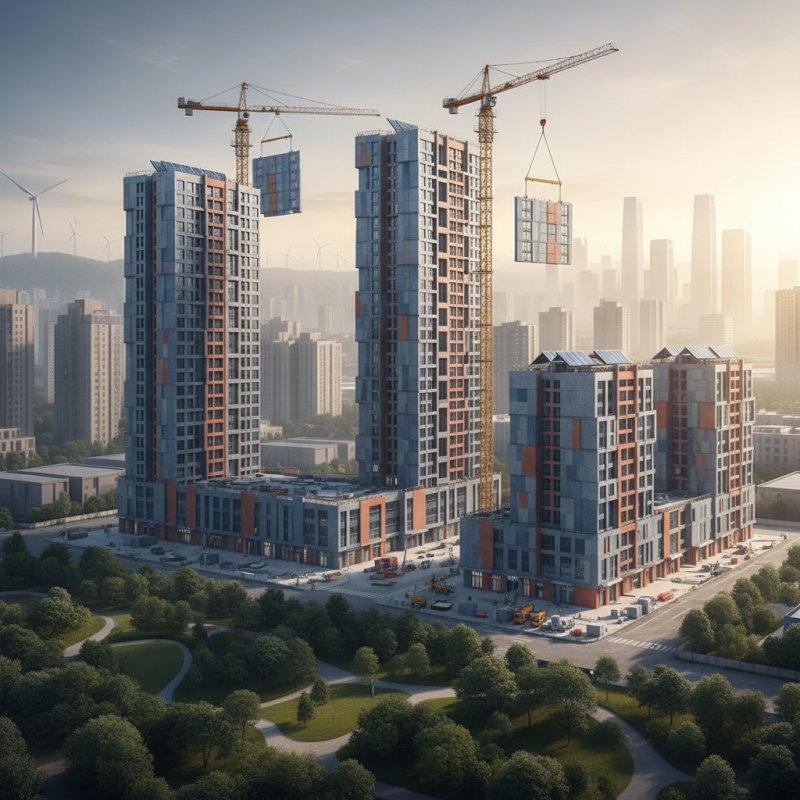
China's prefabricated wall systems have gained significant attention in recent years. These innovations are pivotal for sustainable construction practices. According to a report by the China National Building Materials Group, prefabricated construction can reduce material waste by up to 30%. This efficiency not only cuts costs but also lessens environmental impact.
The importance of prefabricated wall systems lies in their ability to speed up the construction process. They can be manufactured off-site and transported to the location for quick assembly. This method can lead to a 20% reduction in project timelines. Additionally, using lightweight materials often results in lower transport emissions. However, the initial costs of manufacturing prefabricated components can be high. Companies must weigh the long-term benefits against upfront investments.
**Tip:** Always calculate the potential long-term savings versus initial costs when considering prefabricated systems.
Sustainability is crucial in today's construction industry. While prefabricated walls offer numerous benefits, there can be challenges. The need for skilled labor to assemble these systems can limit their use in some areas. Ongoing training programs for workers are essential to maximize effectiveness.
**Tip:** Invest in training programs for your workforce to enhance efficiency and quality in assembly.
Key Innovations in China's Prefabricated Wall Systems for Sustainable Building
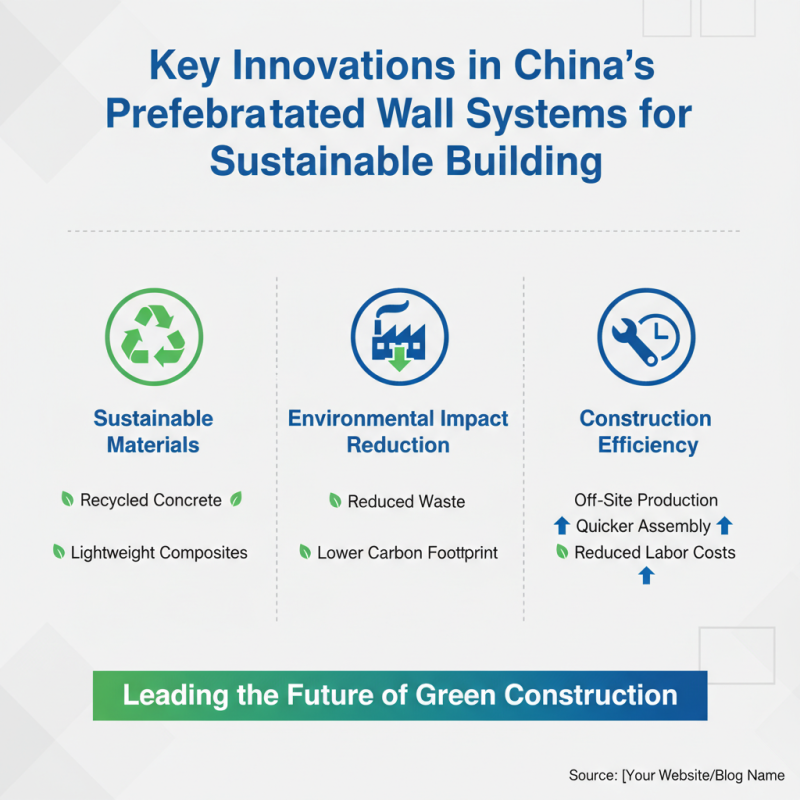
China has been leading the charge in developing innovative prefabricated wall systems aimed at promoting sustainable construction. These systems often utilize materials such as recycled concrete and lightweight composites. By doing so, they reduce waste and minimize the environmental footprint. Many projects showcase how these walls can be produced off-site, allowing for quicker assembly on location. This approach not only saves time but significantly cuts down labor costs.
One of the noteworthy features of these innovations is insulation efficiency. Prefabricated walls often come with integrated insulation, optimizing energy use in buildings. However, while these advancements offer several benefits, challenges remain. Many contractors still face hurdles in adapting to these new systems. There can be a learning curve, as traditional building methods have been deeply entrenched in practices. Moreover, ensuring quality control across the supply chain is crucial and can sometimes be overlooked.
Despite these challenges, the potential for prefabricated wall systems in sustainable construction is immense. Future developments may focus on enhancing modular designs and improving durability. The aim is to create buildings that last longer while consuming fewer resources. As China continues to innovate, the convergence of technology and sustainable practices could redefine the construction landscape.
Impact of Prefabricated Wall Systems on Construction Efficiency and Waste Reduction
The impact of prefabricated wall systems on construction efficiency is significant. These systems allow for faster assembly on site. By manufacturing wall components off-site, projects can avoid delays caused by weather or labor shortages. This method streamlines the construction process. Projects can see reduced timelines, allowing for quicker occupancy.
Moreover, prefabricated wall systems contribute to waste reduction. Traditional construction often generates excess materials. In contrast, prefabricated methods use precise manufacturing techniques. This results in less material wastage. However, it’s important to recognize that not all prefabricated solutions maximize efficiency. Misalignment between design and delivery can lead to problems. Construction teams must adapt their strategies based on their unique project needs.
While innovations in prefabricated wall systems are promising, challenges remain. Not every project benefits equally from these technologies. Some regions lack the infrastructure to support large-scale prefabrication. Understanding local conditions is crucial for success. As the construction industry evolves, reflecting on these aspects can lead to better practices and outcomes.
Comparative Analysis of Traditional vs. Prefabricated Wall Systems in China
When comparing traditional wall systems to prefabricated wall systems in China, significant differences emerge. Traditional methods often involve extensive on-site labor and lengthy construction periods. This can lead to higher costs and inefficient resource use. Reports indicate that on-site projects can take up to 20% longer compared to equivalent prefabricated builds. This delay typically results in increased labor expenses and project overruns.
Prefabricated systems, in contrast, offer a streamlined approach. These walls are manufactured off-site, allowing for quicker assembly once delivered. A study found that using prefabricated walls can reduce construction timelines by as much as 30%. Not only does this method save time, but it also minimizes waste. With prefabrication, firms report a reduction in material waste by 40%, aligning with sustainable construction practices.
Despite the advantages, there are challenges. The initial investment for prefabricated systems can be higher, which may deter smaller developers. Also, integration with existing construction methods can be complex. Some builders remain skeptical about the quality and durability of these new materials. As the industry evolves, ongoing evaluation and adaptation are essential for realizing the full potential of prefabricated wall systems.
China Top Prefabricated Wall System Innovations for Sustainable Construction
| Dimension |
Traditional Wall Systems |
Prefabricated Wall Systems |
| Construction Time (Days) |
90 |
30 |
| Waste Generation (kg/m²) |
50 |
10 |
| Energy Efficiency (kWh/m²/year) |
150 |
80 |
| Cost (CNY/m²) |
800 |
600 |
| Durability (Years) |
30 |
50 |
Future Trends and Developments in China's Prefabricated Wall System Industry
China's prefabricated wall system industry is poised for transformative growth, driven by sustainability concerns. Research shows that the market is projected to reach 640 billion yuan by 2025, expanding at an annual rate of over 15%. This shift reflects a growing need for energy-efficient construction methods. Prefabricated walls can reduce waste by 30% compared to traditional building techniques.
Innovations in materials play a crucial role in this evolution. Recent studies highlight that new composite materials are emerging, boosting thermal insulation by up to 40%. This improvement contributes significantly to energy savings in buildings. Additionally, modular designs allow for quicker assembly, reducing labor costs by nearly 20%. However, challenges remain. The supply chain for advanced materials is still developing, and inconsistencies in construction standards can pose risks.
As the industry evolves, there is a need for skilled workers who understand these new technologies. Current training programs may not fully address this gap. Furthermore, stakeholders must consider lifecycle assessments to ensure that these systems provide long-term benefits. Increased collaboration among manufacturers, builders, and regulatory bodies is essential for sustainable success in the prefabricated wall sector.
China's Prefabricated Wall System Innovations