

How to Choose the Best Prefab Wall Systems for Your Construction Project?

When embarking on a construction project, selecting the right prefab wall systems is crucial. These systems provide efficiency and flexibility. They can streamline the building process, often reducing time and labor costs. However, not all prefab wall systems are created equal. Each project has unique demands that don't fit a one-size-fits-all approach.

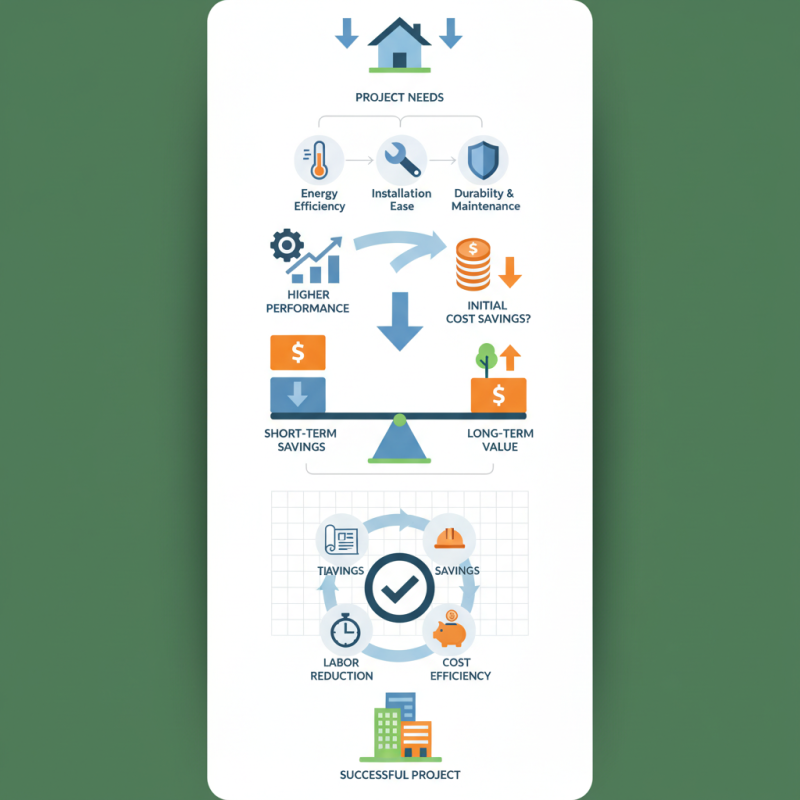
Consider your project's specific needs. Are energy efficiency and insulation a priority? Different prefab wall systems offer varying performance levels. Look for systems that not only meet but exceed your expectations. Think about installation. Some systems require skilled labor for setup, while others are easier to install. Ease of installation can lead to significant savings.

Reflect on the long-term implications of your choice. Choosing a cheaper system may save money initially, but could cost more in the long run. Assess durability and maintenance needs. This holistic approach ensures that your investment aligns with your vision. Make informed decisions, and don’t rush this important process. The right prefab wall systems can make or break your construction project.
How to Choose the Best Prefab Wall Systems for Your Construction Project?

Understanding Prefab Wall Systems and Their Benefits

Prefab wall systems have gained popularity in construction due to their efficiency and flexibility. They are designed off-site and then assembled on-site. This approach can save time and reduce labor costs. Compared to traditional building methods, prefab walls often lead to quicker project timelines.

One major benefit of prefab wall systems is their insulation properties. Many systems offer better thermal performance, reducing energy consumption. In certain climates, this can significantly impact heating and cooling costs. However, the choice of materials is crucial. Not all prefab options provide the same level of insulation or soundproofing.

It's also worth considering the environmental impact. Prefab systems can lead to less waste during construction. But, sourcing materials sustainably is essential. Some might overlook this aspect during the selection process. A lack of attention can lead to unsatisfactory results. Understanding these details is vital for making the right choice. Each decision affects the project's overall success.

How to Choose the Best Prefab Wall Systems for Your Construction Project

Prefab Wall System Type Material Used Thermal Insulation (R-Value) Sound Insulation (STC Rating) Average Cost per Sq. Ft. Installation Time (Days)
Wood Frame Wood R-19 STC 35 $15 3
Steel Frame Steel R-20 STC 40 $20 4
Concrete Panel Concrete R-25 STC 50 $30 5
Insulated Panel Polyurethane R-30 STC 45 $28 6
Glazed Wall Glass R-15 STC 30 $40 7

Key Factors to Consider When Selecting Prefab Wall Systems

How to Choose the Best Prefab Wall Systems for Your Construction Project?

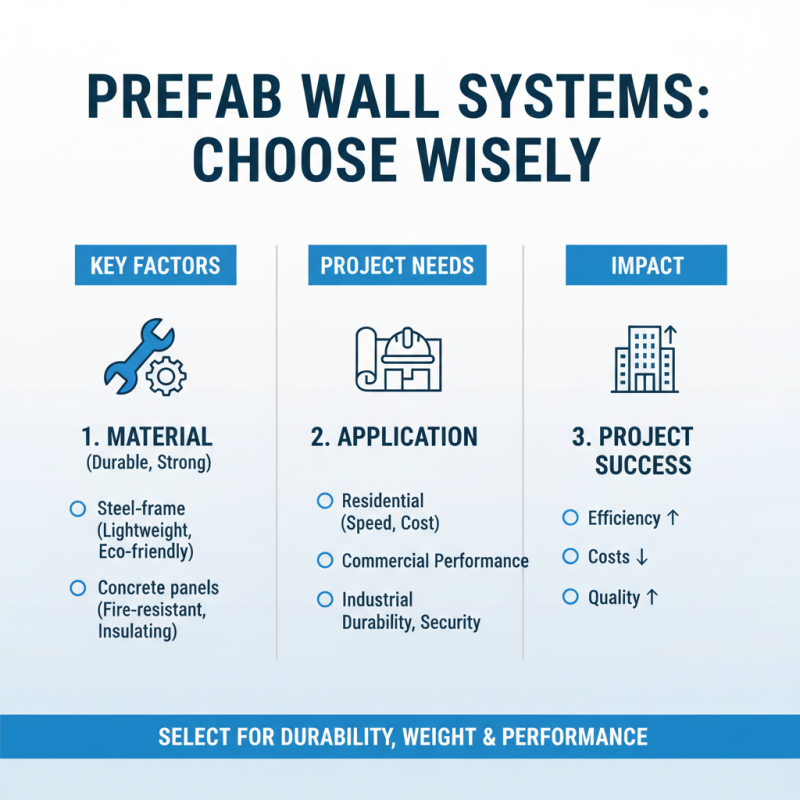
Choosing the right prefab wall systems can make or break your construction project. There are several factors to consider. One key element is the material. Different materials have unique properties. Some are more durable, while others are lightweight. Think about your project's specific needs.

Another crucial detail is insulation. Proper insulation can enhance energy efficiency. Check the R-value of the materials. Higher R-values offer better insulation, which can lead to savings on energy costs. It’s important to balance cost with performance.

**Tips:** Consult with professionals to assess your requirements. Also, be aware of local building codes. This can impact your material choices. Test the options available, if possible. Some systems may not perform as expected. Always ask for references or case studies to learn from others’ experiences. The right decision will save time and resources in the long run.

Comparing Different Types of Prefab Wall Materials

When comparing different types of prefab wall materials, you’ll encounter options like concrete, wood, and steel. Each material offers unique benefits. Concrete walls provide excellent insulation and durability. They can withstand harsh weather conditions. On the other hand, wood is known for its aesthetic appeal. It's lightweight and easier to install. However, wood may require more maintenance over time.

Steel walls are strong and resistant to pests. They often have a longer lifespan but can be more expensive initially. You should consider how these materials will perform in your specific climate. Think about the environmental impact as well. Some materials are more sustainable than others.

**Tips:** Focus on energy efficiency. Consider your project’s budget. If you’re unsure, consult with experts. They might offer insights based on previous projects. Remember that each material's longevity varies. Analyze your long-term maintenance needs critically. Choosing the right prefab wall system can be challenging. Reflection on these factors will lead you to the best decision for your construction project.

Evaluating Cost-Effectiveness of Prefab Wall Systems

How to Choose the Best Prefab Wall Systems for Your Construction Project?

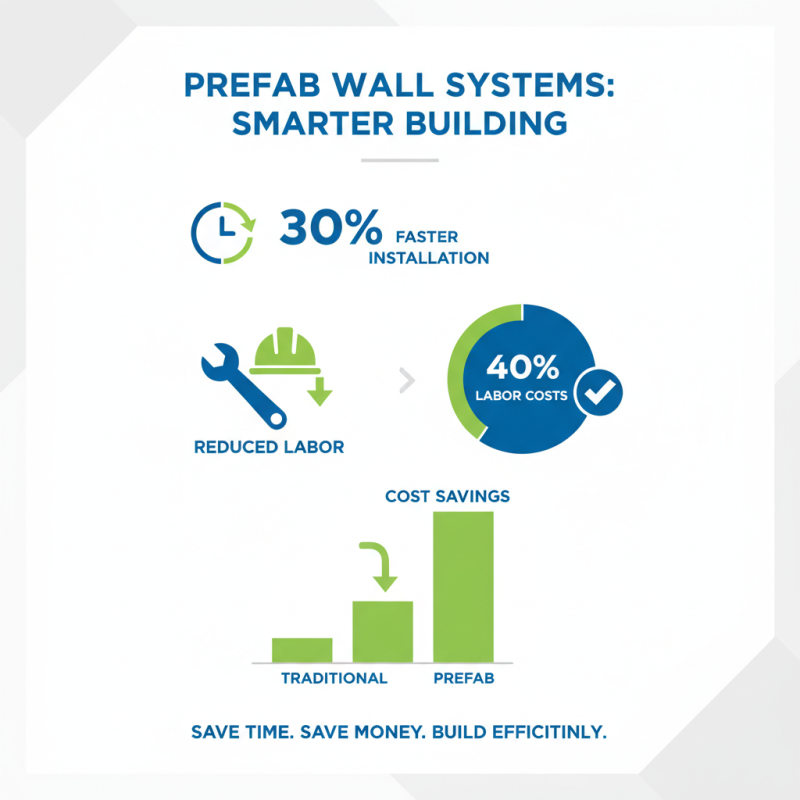
When evaluating prefab wall systems, cost-effectiveness plays a crucial role. According to industry analyses, prefab walls can reduce construction time by up to 30%. This rapid assembly directly contributes to lower labor costs. On average, labor expenses account for about 40% of total project costs. Therefore, choosing prefab systems can lead to substantial savings in this area.

However, it's important to consider initial material costs. While prefab walls may streamline construction, their upfront investment can be high. A recent report noted that prefab materials might cost 10-20% more than traditional options. This disparity can pose challenges for tight budgets. Builders should weigh these factors carefully.

Another aspect to reflect on is waste reduction. Prefab wall systems generate less waste compared to conventional construction methods. A study found that they can decrease material waste by as much as 30%. Nonetheless, managing inventory for prefab systems can be complex. Oversupply or improper planning can lead to additional costs, affecting the project's overall efficiency. Balancing these elements is essential for making an informed decision.

Best Practices for Installation and Maintenance of Prefab Walls

When dealing with prefab wall systems, installation and maintenance are crucial. Proper installation ensures durability and efficiency. Begin by carefully reviewing the manufacturer’s guidelines. These guidelines can vary widely. It’s essential to follow them closely to avoid pitfalls.

Tips: Always double-check measurements before cutting materials. A small mistake can lead to time-consuming corrections. Make sure that all components fit together seamlessly. Gaps can weaken the structure.

Maintenance is not just an afterthought. Regular inspections help identify potential issues early. Look for signs of wear or damage. Addressing these problems sooner rather than later can save money.

Tips: Document the maintenance process. Keep track of repairs and inspections. This can provide insight into the longevity of the prefab walls. Remember to clean the walls to prevent buildup that may affect structural integrity.

Sometimes things don't go as planned. There might be unexpected problems during installation or maintenance. Being aware of these potential challenges can make all the difference. Embrace the learning process; it’s part of improving your skills for future projects.

Go to Top