How to Choose the Best Premade Walls for Your Project?
In today's construction industry, choosing the best premade walls can significantly impact project success. According to a recent report by the Global Construction Research Institute, the demand for premade walls has surged by 30% over the past five years. This rise illustrates a growing trend toward efficiency and sustainability in building practices. However, not all premade walls are created equal, and making the right choice requires careful consideration.
Expert architect Sarah Thompson, known for her extensive work with modular construction, emphasizes the importance of this decision. She states, "Selecting the right premade walls can accelerate project timelines and enhance structural integrity." Her insight highlights a common issue in construction: many professionals overlook the long-term benefits of investing in high-quality materials.
Consider factors such as insulation properties, design flexibility, and longevity when choosing premade walls. Remember, a well-informed choice can save costs and avoid headaches down the line. However, challenges do arise, and it's essential to reflect on specific project needs. The right premade walls can make all the difference.
Understanding Premade Walls: Types and Uses
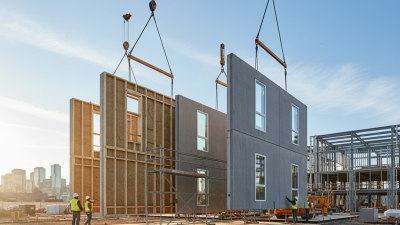
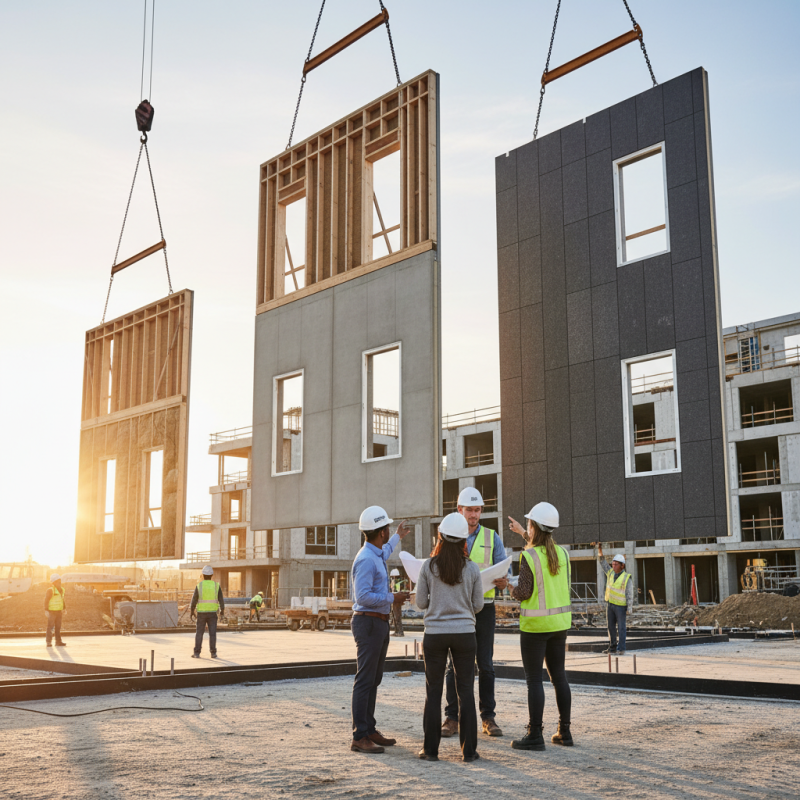
Premade walls serve a crucial role in modern construction. They come in various types, each suited for specific applications. For example, panel walls are lightweight and ideal for modular buildings. Structural insulated panels (SIPs) offer excellent insulation and support, making them great for energy-efficient homes. According to a report by the Building Industry Association, using premade walls can reduce construction time by up to 30%.
Choosing the right type can significantly impact your project's success. Factors such as local climate, building code requirements, and intended use should guide your choice. For instance, reinforced concrete walls are perfect for high-wind areas. On the other hand, thinner walls may suffice for interior divisions. Planning thoughtfully is essential, as mistakes can lead to costly delays.
Tips: Consider hiring a consultant. Their expertise can save you time and resources. Additionally, analyze material costs versus long-term savings. Don't rush your decision; every aspect matters. Reflect on your specific needs before finalizing your choice. Make informed decisions to avoid common pitfalls in construction.
Factors to Consider When Selecting Premade Walls
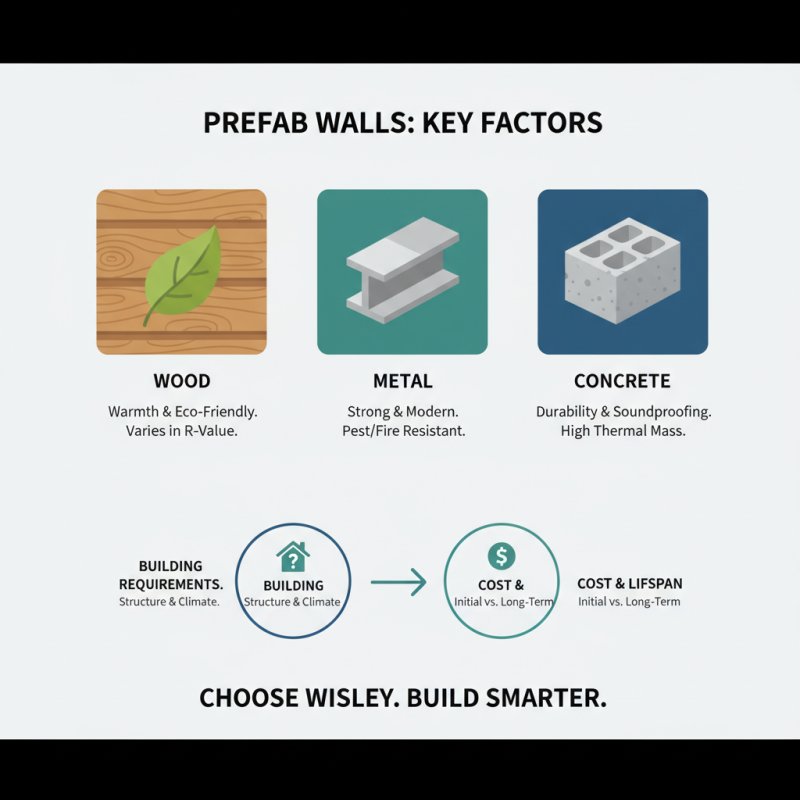
When selecting premade walls for your project, several key factors come into play. Consider the material. Different materials affect durability and insulation. Wood, metal, and concrete are popular options. Each has unique characteristics and costs. It is crucial to examine the building's requirements before making choices.
Tips: Always measure your space carefully. This ensures a perfect fit. Don't forget about local building codes. Compliance is essential for safety and legality.
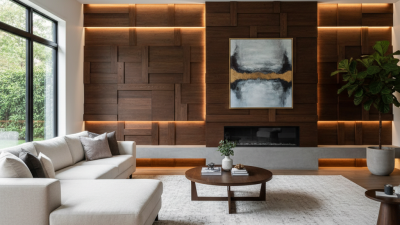
Another factor to consider is the design. Premade walls come in various styles and finishes. Consider how they will fit into the overall look of your project. If customizing, be prepared for potential delays. Crafting walls takes time, and alterations may cause setbacks in your timeline.
Tips: Be flexible. If a chosen design is on backorder, assess alternatives. Planning for contingencies can save you time and stress. Finally, think about cost-effectiveness. The cheapest option may not be the best. Balance quality and pricing to achieve the best results.
Evaluating Material Options for Durability and Aesthetics
When selecting premade walls, durability and aesthetics are key factors. Consider the materials carefully. Wood offers a warm and natural look, while metal provides a sleek, modern aesthetic. Both choices come with pros and cons. Wood can warp over time, especially in humid conditions. Metal, while resistant to pests, may require additional treatment to prevent rusting.
Another option is concrete. It delivers strength and longevity, making it ideal for commercial projects. However, it lacks visual appeal. You can enhance its look with paint or textured finishes, but remember, this may add to the cost. Recycled materials are gaining popularity for their eco-friendliness. They tell a story, but sourcing can be tricky.
Think about maintenance too. Some materials need more care than others. For example, while stone looks stunning, it can be high-maintenance. Have a clear picture of your project's goals. Aesthetic and durability do not always go hand in hand. Finding that balance requires thought. Each choice has its own journey.
Cost Comparison: Budgeting for Premade Walls
When budgeting for premade walls, understanding costs is crucial. Premade walls can vary widely in price. On average, costs range from $10 to $30 per square foot, depending on materials and design. For instance, a basic panel may cost around $10, while a more complex design could reach $30 or more. This range highlights the importance of careful planning.
Many projects overlook hidden costs. Delivery fees and installation can add significant amounts. Additionally, not all companies provide transparent pricing. Clients should be aware of potential extras that can inflate the final bill. Reports indicate that over 40% of projects exceed their initial budgets due to unforeseen expenses.
Quality also affects pricing. Higher-quality materials often translate to higher costs. However, cheaper options may lead to future repairs. A balance between cost and durability is vital. If you choose a lower-priced wall, what might it cost later? Reflecting on your project’s needs can help avoid costly mistakes.
Installation and Maintenance Tips for Premade Walls
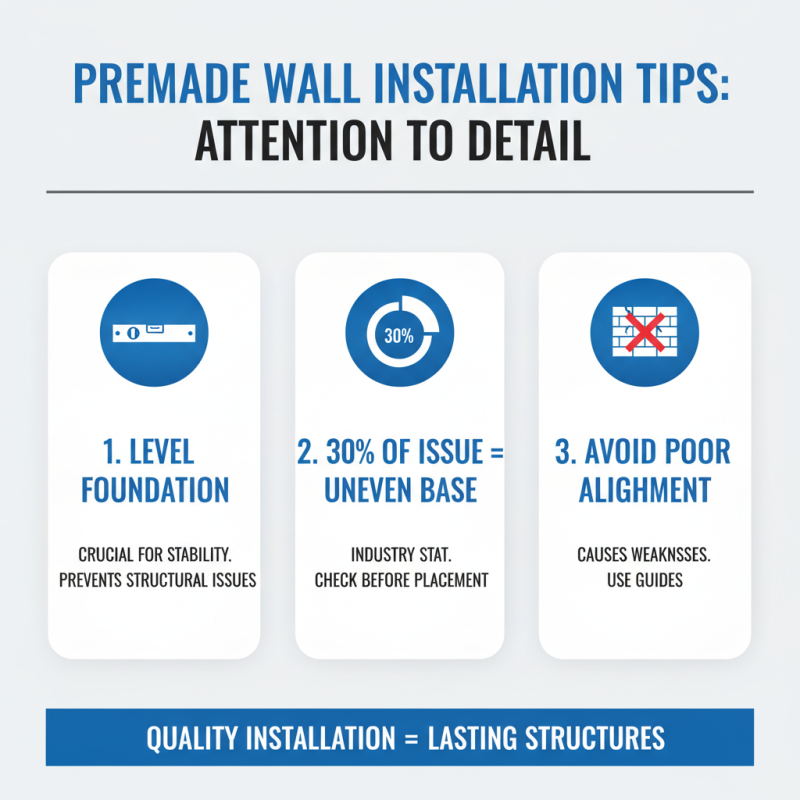
When considering installation tips for premade walls, attention to detail is crucial. Ensuring a level foundation is vital. According to industry studies, a staggering 30% of installation issues arise from uneven surfaces. Before placing walls, check the base for levelness. Poorly aligned walls can lead to significant problems down the line, such as structural weaknesses.
Maintenance plays a key role in the longevity of premade walls. Regular inspection is necessary to detect wear and tear. Industry reports indicate that neglecting maintenance can reduce lifespan by up to 25%. Look for cracks, moisture, and pests. Addressing issues promptly can prevent further damage. Keep your walls clean and free of debris. Simple cleaning can prolong their aesthetic appeal.
Remember that not all installations go as planned. Mistakes happen. Some may overlook proper sealing techniques. Improper sealing can lead to moisture ingress, compromising insulation and strength. Reflecting on these common oversights can improve future projects. Reassessing installation methods regularly can enhance results over time.