How to Choose the Best Wainscoting Panels for Your Home?
When considering home design, wainscoting panels can enhance both aesthetics and functionality. These decorative wall elements provide charm and character to any room. Choosing the right panels is crucial for achieving the desired effect.
Different styles and materials exist, each offering unique benefits. Wood, PVC, and composite options can fit various budgets and preferences. The wrong choice can lead to mismatched interiors and costly adjustments. It's essential to understand the ambiance you wish to create.
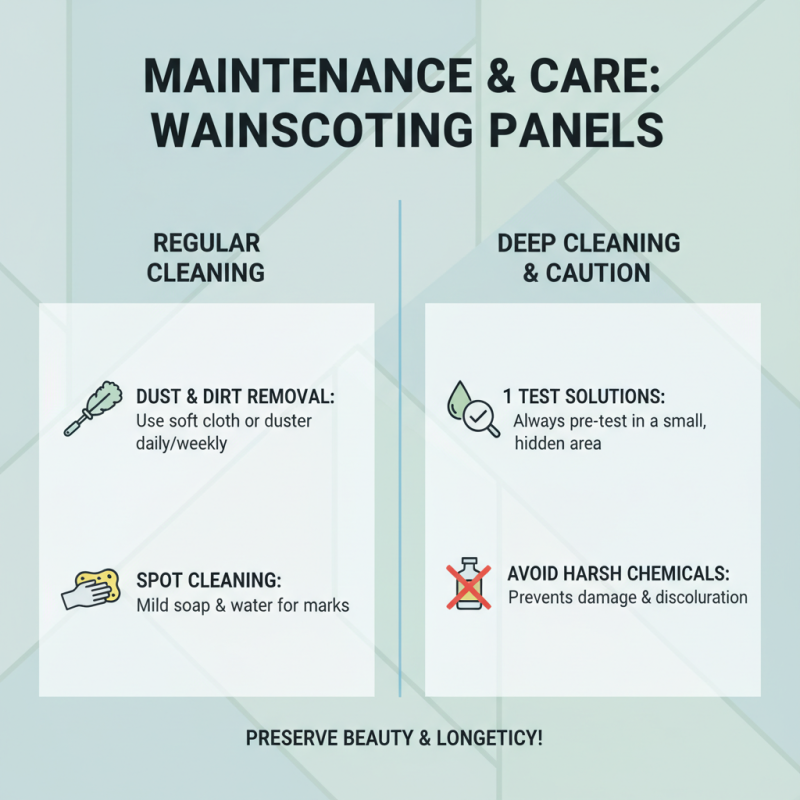
Consider the maintenance requirements of your selected wainscoting panels. Some materials may require more upkeep than others. Reflect on your lifestyle and how you use your space. Whether for a cozy living room or a formal dining area, thoughtful decisions are necessary for lasting impact.
Understanding Wainscoting: An Overview of Styles and Materials
Wainscoting offers a unique opportunity to enhance your home's interior. Understanding the various styles and materials available can significantly aid in making the right choice. Traditional styles include raised panels, flat panels, and beadboard. Each has its unique charm and can be tailored to suit different aesthetics.
For instance, raised panel wainscoting is often preferred for its classic look. According to the National Association of Home Builders, this style has been favored in homes built before 1950, as it adds depth and character. On the other hand, beadboard has gained popularity in modern homes for its rustic appeal and easy installation. The use of beadboard has increased by nearly 30% in new constructions over the past decade.
Material choice is another critical factor. Solid wood panels can add significant value but are often more expensive. In contrast, medium-density fiberboard (MDF) offers a cost-effective solution and can mimic the appearance of wood. Reports indicate that over 60% of homeowners today prefer engineered materials for their affordability and versatility. This trend highlights a shift toward practicality while maintaining aesthetics.
Ultimately, your choice should reflect your personal style, budget, and the overall design of your home. Each decision deserves careful consideration, balancing beauty, functionality, and cost. Embracing wainscoting can transform a space, but it is essential to reflect on what suits your lifestyle.
Assessing Your Home's Aesthetic: Matching Wainscoting to Your Interior Design
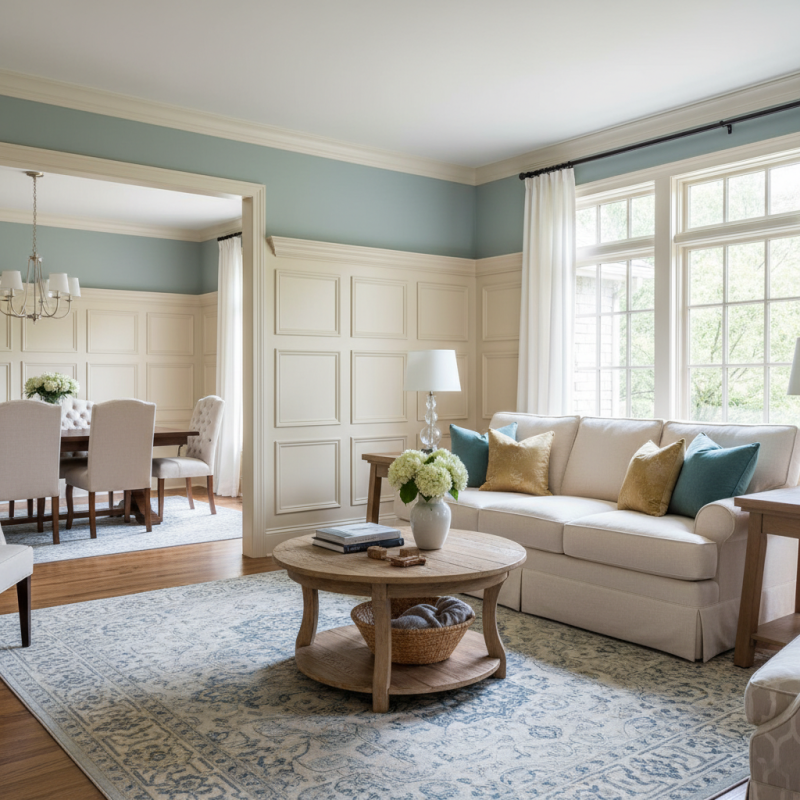
Choosing wainscoting panels can significantly impact your home's aesthetic. It’s essential to align the style of your wainscoting with your interior design. Start by identifying the primary theme of your home. Is it modern, traditional, or eclectic? This clarity will guide your choice. For a modern home, sleek panels in light, muted colors may suit best. In contrast, traditional settings often benefit from more ornate designs and rich, deep hues.
Consider the room's existing colors and textures. For example, in a space with dark wood floors, lighter wainscoting can create a pleasant contrast. This contrast adds depth to the room without overwhelming it. Similarly, if the walls are painted in a vibrant color, opt for subtle wainscoting that complements but doesn't compete for attention.
Reflect on how the wainscoting will interact with furniture and decor. If your home has bold accents, simpler wainscoting may work better. If everything feels too busy, it might be time to simplify. Each choice should enhance the overall harmony, rather than disrupt it. Sometimes, less is more. Balancing these elements requires thoughtful consideration and a willingness to experiment. Testing samples in your space can reveal surprising results.
Measuring and Planning: How to Determine the Right Panel Size
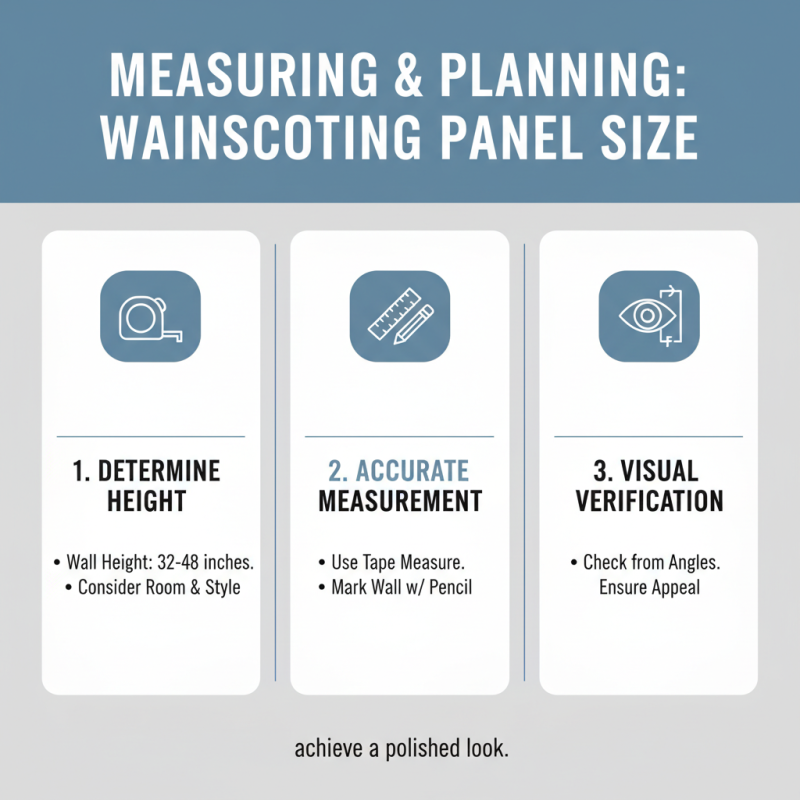
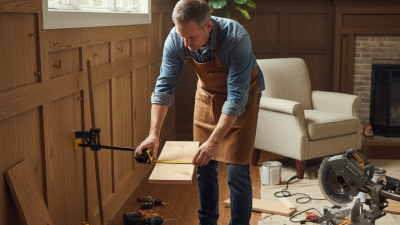
Measuring for wainscoting panels is crucial for achieving a polished look. Start by determining the wall height. Standard heights range from 32 to 48 inches. Consider your room's dimensions and desired height. Use a tape measure for accuracy. Mark your measurements directly on the wall with a pencil. It’s best to verify the marks from different angles to ensure they seem visually appealing.
Next, think about the width of each panel. Wider panels can create a more modern look, while narrower ones offer a classic feel. Measure your wall's total length, then divide by the panel width you prefer. This will give you the number of panels needed. Don’t forget to account for any obstacles, like windows or doors. This is where planning becomes essential.
Be aware that imperfections can arise. Walls are rarely perfectly straight. You might need to adjust the panel widths slightly. Also, the chosen panel style may impact the overall aesthetic. Consider how it will blend with existing decor and architecture. Planning is a balancing act between personal taste and practical considerations. Take your time to reflect on these details.
Installation Considerations: Tools and Techniques for Successful Application
When it comes to installing wainscoting panels, preparation is key. Start by gathering essential tools, such as a miter saw, level, and nail gun. These tools will streamline the installation process, making it more efficient. Aim for accuracy; even small errors can lead to uneven panels. Measure twice before cutting.
Consider the wall condition. Ensure the surface is clean and dry. Old paint or wallpaper might affect adhesion. If your walls are uneven, take extra time to sand down spots or use wall shims. This attention to detail can prevent future frustrations. Using caulk can fill gaps and create a polished look.
Finally, review your paneling design before starting. Some patterns require more precise alignment than others. Remember that installing wainscoting is a time-consuming project. Don’t rush through it; your hard work will reflect in the final result. Making adjustments along the way helps improve the outcome. Be willing to learn from mistakes, and you'll develop your skills over time.
Choosing the Best Wainscoting Panels: Installation Considerations