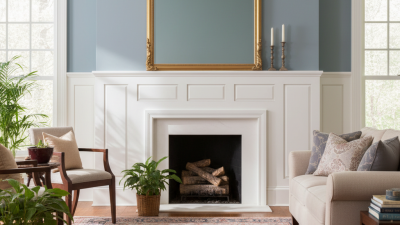
How to Choose the Best Molding and Trim for Your Projects?
Choosing the right molding and trim can be a daunting task. Interior designer Sarah Thompson emphasizes, "Molding and trim are the jewelry of a room." This highlights their importance in enhancing a space’s aesthetic. The right choice not only adds elegance but also reflects personal style.
Consider the style of your home when selecting molding and trim. Traditional homes may benefit from intricate designs, while modern spaces often look best with sleek lines. The material also plays a crucial role. Wood, MDF, or polyurethane each offers distinct benefits and challenges. For example, while wood provides warmth, it can warp under humidity.
Carefully evaluate your options. Don’t rush the process; sometimes, less is more. Pay attention to scale and proportion as well. Oversized trim can overwhelm a small room, while minimal designs may get lost in larger spaces. The perfect molding and trim can elevate a project’s overall feel, but getting it right requires thoughtful consideration.
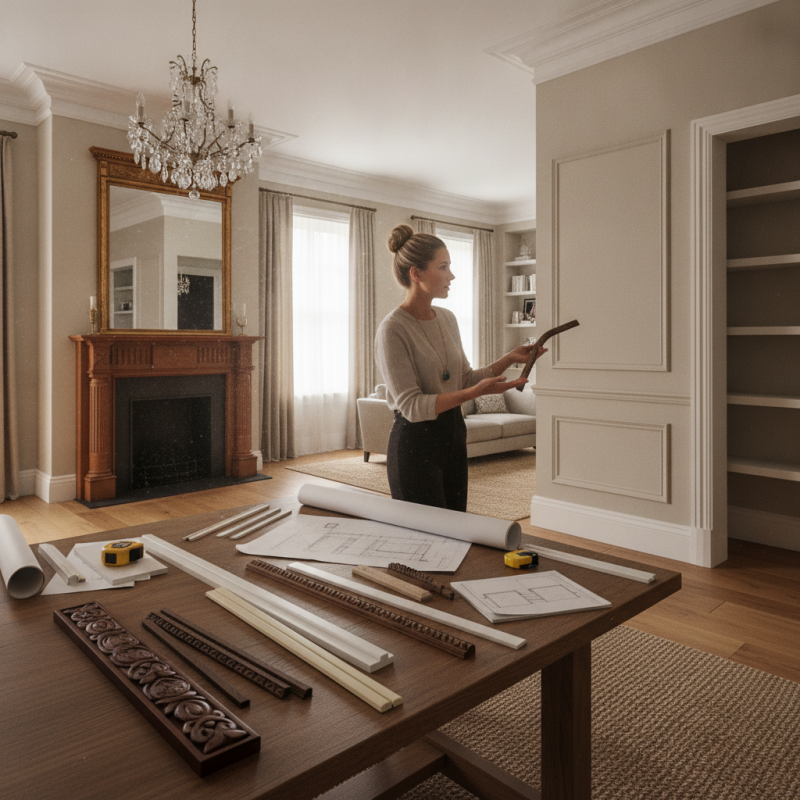
Understand Different Types of Molding and Trim Available in the Market
When considering molding and trim options, it's essential to understand the variety available. Molding can be segmented into categories including baseboards, crown molding, and casings. Each type serves a distinct purpose and enhances your project's aesthetics. According to the 2022 Molding Market Report, over 40% of homeowners prioritize character and style when selecting these details.
Baseboards typically range from 3 to 7 inches in height. They provide a seamless transition between walls and floors. Crown molding, usually 4 to 12 inches, transforms a room's look by adding elegance to ceilings. Casings frame doorways and windows, contributing to the overall appeal. Interestingly, 25% of builders noted that the right trim significantly increases a home's resale value.
While the choices seem vast, the quality can vary. It's common for homeowners to overlook the differences in materials, such as wood versus composite. Natural wood offers a traditional appeal but may require regular maintenance. On the other hand, composite materials are often more durable and cost-effective. People have reported dissatisfaction when choosing based solely on price, overlooking longevity and performance. Understanding these distinctions can prevent costly mistakes in your project.
How to Choose the Best Molding and Trim for Your Projects?
| Type of Molding/Trim |
Material |
Typical Uses |
Cost (per linear foot) |
Installation Difficulty |
| Crown Molding |
Wood, MDF |
Ceiling- wall junctions |
$3 - $8 |
Moderate |
| Baseboard |
Wood, PVC, MDF |
Along floors |
$1 - $5 |
Easy |
| Chair Rail |
Wood, Composite |
Protecting walls |
$2 - $6 |
Moderate |
| Window Casing |
Wood, MDF |
Framing windows |
$2 - $7 |
Moderate |
| Coffered Ceiling |
Wood, Gypsum |
Architectural detail |
$20 - $50 |
Hard |
Evaluate the Material Options for Molding and Trim Choices
Choosing the right material for molding and trim can make a significant difference in your projects. When evaluating material options, consider aesthetics, durability, and cost. Wood is a classic choice that adds warmth and character. It can be custom-molded and painted. However, it is prone to warping and requires regular maintenance.
MDF, or medium-density fiberboard, is another popular option. It’s smooth and easy to paint, offering a modern look. Unfortunately, it can be less durable in humid areas, so weigh that risk against your design needs. PVC is gaining traction due to its resistance to moisture and insects. It’s lightweight, making installation easier, but doesn’t have the same authentic appearance as natural wood.
Explore budget considerations as well. Sometimes, cheaper materials may not deliver the desired results over time. Invest in quality where it counts. Reflect on your environment; what works in one home may falter in another. Assess your project’s needs thoroughly before committing. This ensures your choice is not only visually appealing but also functional and long-lasting. It's about balancing aesthetics with practical considerations.
Consider the Style and Aesthetic of Your Project
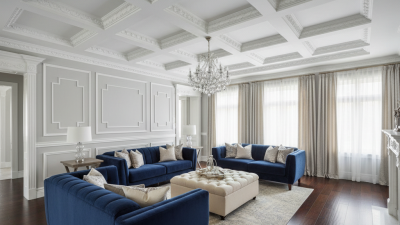
When choosing molding and trim, the style and aesthetic of your project are essential. Different architectural styles demand specific types of trim. For example, traditional homes often benefit from ornately detailed moldings, while modern spaces might lean towards sleek, minimalistic designs. According to a report by the National Association of Home Builders, 62% of homebuyers prioritize aesthetics in their renovation projects. This statistic highlights the importance of making informed choices about trim.
It’s crucial to reflect on how the trim complements your overall design vision. Think about colors, materials, and textures. Wood, for instance, adds warmth; metal can introduce a contemporary edge. A mismatched style can detract from the room's harmony. A survey from the Joint Center for Housing Studies indicates that 44% of homeowners regret their trim choices. This reveals the need for careful consideration amid creative experimentation.
Don't overlook the practical aspects, too. Some materials require more maintenance than others. Evaluate durability and cost over time. Remember, what looks good now might not wear well. Creating a cohesive look is essential, as disjointed styles can be jarring. Engaging with local professionals offers insights tailored to your unique space. Their experience helps navigate the balance between aesthetic appeal and practical functionality.
Assess Functionality and Durability Requirements for Molding
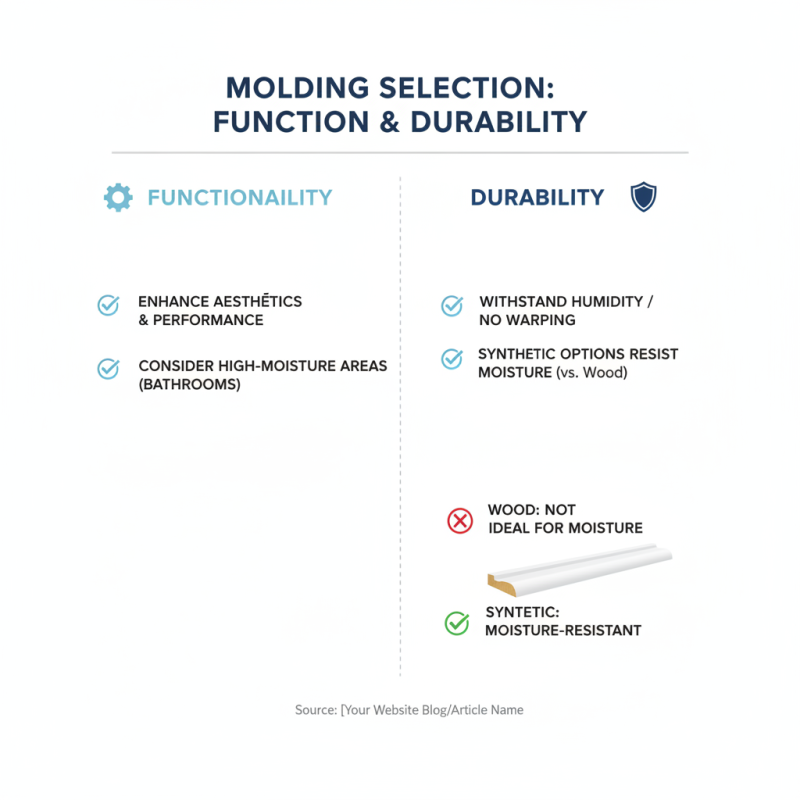
When selecting molding and trim, assess their functionality and durability carefully. The right choice can enhance aesthetics and performance. For instance, consider areas with high moisture exposure, like bathrooms. Here, materials must withstand humidity without warping. Wood might not be the best choice. Instead, look for synthetic options that resist moisture.
Durability is also critical for high-traffic areas. Baseboards in hallways require sturdiness to withstand impacts. A softer material could dent easily. Opt for sturdier woods or composite materials that offer strength and longevity. It's worth noting that even durable materials can have flaws. Some may scratch or fade over time, which needs reflection.
Finally, think about the style you desire. Modern designs might favor clean lines and minimalism. Traditional styles often employ ornate molding. Balancing functionality with visual appeal can be challenging. Prioritize your project's needs, but allow for some imperfections in design to create character and charm.
Explore Installation and Maintenance Factors for Molding and Trim
When considering molding and trim, installation plays a crucial role. Each style has its unique requirements. For example, crown molding can be tricky to install due to its angles. You’ll need a miter saw and a steady hand. Even small mistakes can lead to gaps or uneven lines.
Maintenance is equally important. Dust and dirt can accumulate in detailed trims, making regular cleaning essential. Some materials may require painting or sealing over time. This is often overlooked. Choosing low-maintenance options may save you effort in the long run. Consider how often you want to clean or repair.
Reflect on your space. The aesthetic of molding should complement your existing decor. Not every type will fit perfectly with your home. Experiment with samples to see what feels right. Remember, it’s not just about looks; practicality matters too. Molding can enhance or hinder your space, depending on how it's chosen and cared for.
How to Choose the Best Molding and Trim for Your Projects?