What is Engineered Lumber Beams and How Are They Used?
Engineered lumber beams have transformed the construction industry. These beams are crafted from wood fibers, providing strength and durability. According to John Smith, a leading expert in engineered lumber, "These beams offer unparalleled strength and efficiency for modern buildings."
Engineered lumber beams are not only versatile but also sustainable. They can be used in various applications, from residential homes to commercial structures. However, some concerns exist about their long-term durability and environmental impact. The production process involves adhesives and chemicals, which raises questions.
Despite their benefits, builders must consider the specifics of their project. Choosing the right type of engineered lumber beams can be challenging. Not every project will benefit equally from these materials. Each structure has unique needs that require careful assessment.
What Are Engineered Lumber Beams?
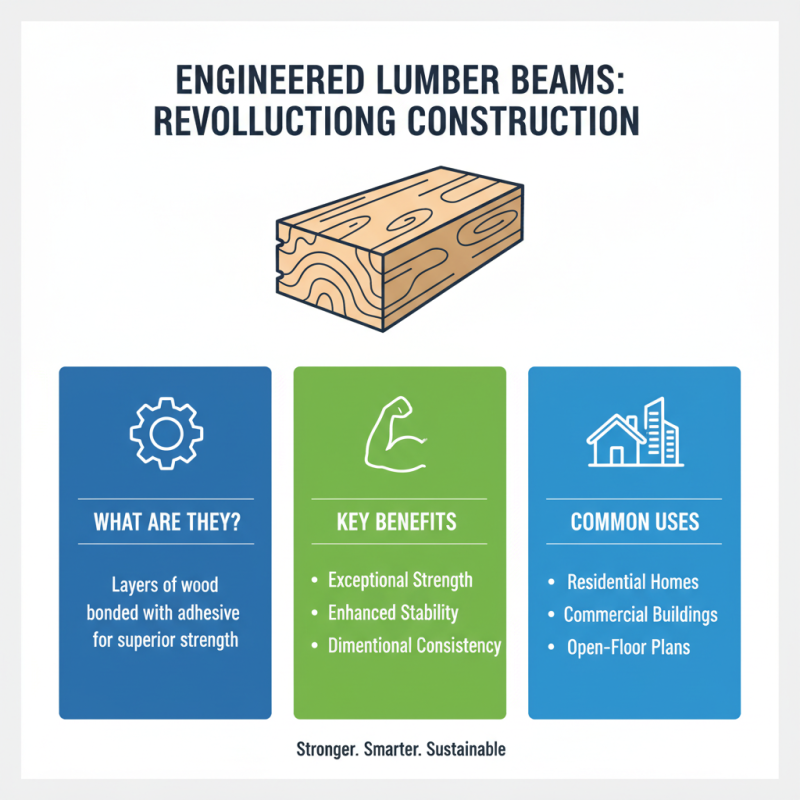
Engineered lumber beams are innovative structural materials made from layers of wood. These beams are created by bonding together thin strips or chips of wood with adhesives. This process enhances their durability and strength. Unlike traditional lumber, engineered beams are less prone to warping or splitting. They offer reliable performance in various construction applications.
These beams are commonly used in residential and commercial buildings. They can support heavy loads while maintaining a lightweight profile. Builders often choose them for floor joists, roof supports, and wall framing. The predictable dimensions of engineered lumber beams make them easier to work with. They can fit into a variety of architectural designs without sacrificing strength.
However, not all engineered lumber is perfect. The manufacturing process can sometimes lead to inconsistencies in quality. Some beams may have defects that are not immediately visible. It’s essential for builders to inspect them carefully before installation. Proper selection and usage are crucial to avoid structural issues in the future.
What is Engineered Lumber Beams and How Are They Used? - What Are Engineered Lumber Beams?
| Property |
Description |
| Material Types |
Laminated Veneer Lumber (LVL), Glulam (Glued Laminated Timber), Parallel Strand Lumber (PSL) |
| Applications |
Residential framing, commercial buildings, bridges, and other structural applications |
| Advantages |
Strength, stability, resistance to warping, sustainability, and design flexibility |
| Size Range |
Available in various dimensions, commonly ranging from 2x4 up to 12x24 inches and longer lengths |
| Environmental Impact |
Sourced from managed forests, often utilizing less material than traditional lumber |
| Installation |
Typically requires skilled labor for precise installation, often using specific fasteners |
Types of Engineered Lumber Beams and Their Characteristics
Engineered lumber beams are popular in construction for their strength and versatility. There are several types of engineered lumber beams, each with unique characteristics.
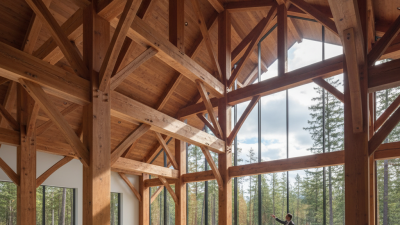
Glulam beams, made by gluing layers of lumber together, offer flexibility and high load-bearing capacity. These beams can be shaped to fit architectural designs, making them ideal for both residential and commercial projects.
Another type is LVL (Laminated Veneer Lumber), which is produced by bonding veneers together with adhesives. LVL beams are known for their uniformity and strength, reducing the risk of warping. They provide excellent resistance to bending and are often used in situations requiring continuous spans. However, one must consider potential drawbacks, such as cost and availability.
I-joists are also a prominent option. They consist of a top and bottom flange with webbing in between. This design allows for lightweight structures while maintaining strength. I-joists are easy to install and adapt for plumbing or electrical conduits. Yet, their performance can be affected by environmental factors, which may lead to concerns about longevity. Choosing the right beam requires careful thought and planning for the specific project.
Benefits of Using Engineered Lumber Beams in Construction
Engineered lumber beams are a popular choice in modern construction. Their benefits are substantial and multifaceted. According to the Engineered Wood Association, engineered wood products can often withstand greater loads than traditional lumber. This makes them essential in both residential and commercial buildings.
One major advantage is efficiency. Engineered beams are manufactured to meet specific needs. They reduce waste during production. Furthermore, they can be produced to exact specifications, which minimizes errors on-site. This leads to fewer delays and lower costs overall. A report from the Forest Products Laboratory shows that engineered wood can also reduce carbon footprints by up to 30%, providing both economic and environmental benefits.
However, not all engineered lumber beams are created equal. Quality can vary based on the manufacturing process. It’s crucial to ensure that you are using reputable sources. Decisions made hastily can lead to structural issues later. Additionally, proper installation is vital. If beams are not installed correctly, the intended benefits may not be realized. Hence, careful consideration and planning are essential for achieving optimal results.
Applications of Engineered Lumber Beams in Building Projects
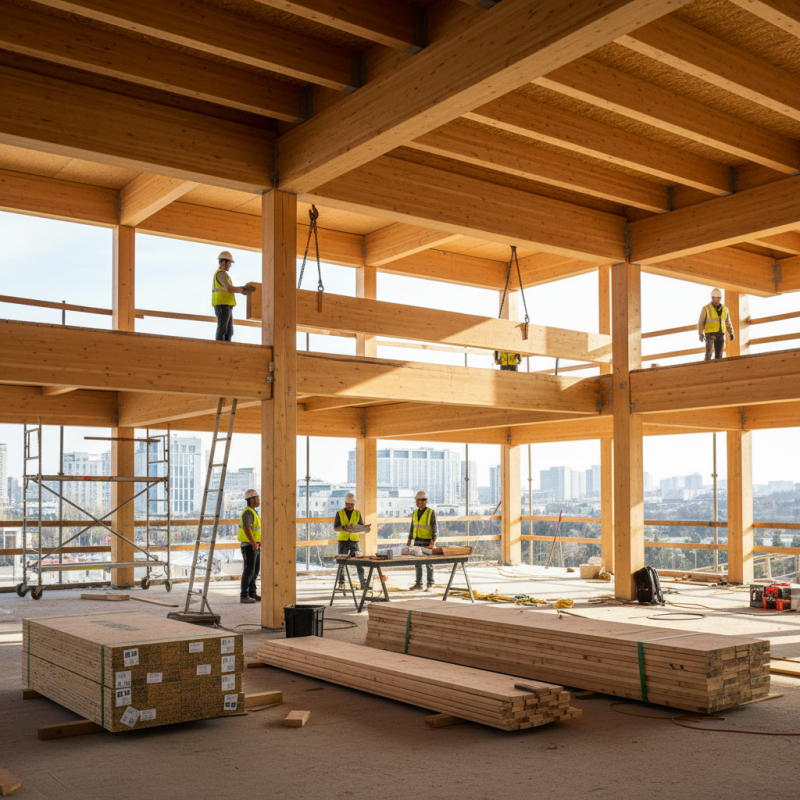
Engineered lumber beams are revolutionizing construction practices. These beams are made from layers of wood glued together, providing exceptional strength and stability. They are often used in large building projects, from residential homes to commercial structures. Their dimension stability makes them ideal for open floor plans.
In buildings, engineered beams can support heavy loads. This means architects can design spaces without many support columns. Open spaces allow for more creative and functional interiors. However, some builders face challenges with sourcing high-quality material. Cost can also play a role in decision-making.
Project managers find versatility in their applications. Engineered beams are ideal for roofs, floors, and even bridges. Yet, ensuring proper installation requires skilled labor. Misalignment or improper support can lead to significant issues, including structural failure. Careful planning is essential for maximizing their benefits.
Installation and Maintenance of Engineered Lumber Beams
Engineered lumber beams are versatile and useful in various construction projects. However, proper installation is crucial for optimal performance. Begin by ensuring the foundation is level and structurally sound. Use appropriate fasteners and adhesives recommended for engineered lumber. This will help secure the beams in place, minimizing potential issues later. It's tempting to skip some steps, but this might lead to complications.
Maintaining engineered lumber beams involves regular inspections. Check for any signs of wear or damage, such as cracks or moisture accumulation. Addressing these issues early can prevent more severe problems. Ensure that the beams are not exposed to excessive moisture. Environment control is essential. Sometimes, it requires adjustments based on weather changes or building usage.
Consider routine maintenance schedules to keep everything in check. If you miss a small issue like a tiny crack, it might grow larger over time. A proactive approach can save you from costly repairs. Reflect on your maintenance routine. Is it thorough enough? Are you considering all potential risks? Regular attention will ensure the longevity of your engineered lumber beams.
Engineered Lumber Beams Usage and Installation Patterns