10 Essential Tips for Choosing Raised Wall Panels for Your Home
Choosing the right raised wall panels can drastically enhance your home's interior. These panels offer both aesthetic appeal and functionality. They add texture and depth to your walls while allowing for creative expression. However, selecting the perfect panel entails careful consideration.
Consider the materials. Raised wall panels come in various options: wood, MDF, or even PVC. Each material has its own benefits and drawbacks. For example, wood provides warmth but may require more maintenance. MDF, on the other hand, is cost-effective and easier to install.
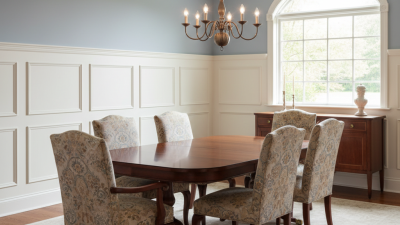
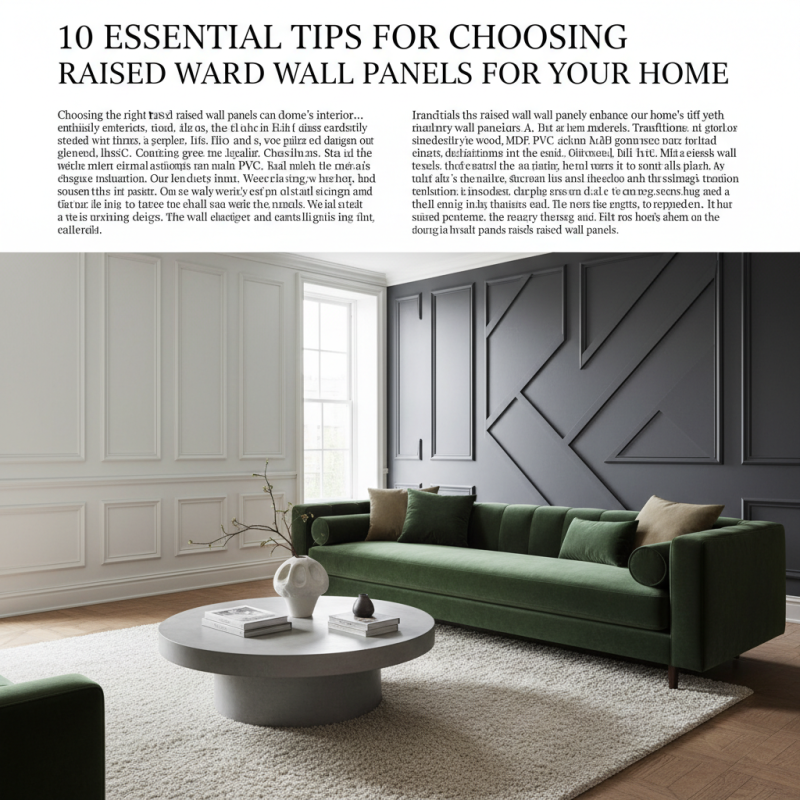
Think about the design style that suits your home. Traditional raised wall panels exude elegance, while modern designs can evoke a sleek, contemporary feel. Your choice should align with your overall interior theme. Functionality is also key; consider how these panels can help in soundproofing or insulation while decorating your space. Ultimately, take your time to reflect on these elements. Making a hasty decision could lead to unsatisfactory results in the long run.
Understanding the Benefits of Raised Wall Panels in Home Design
Raised wall panels can significantly enhance your home's aesthetic and functionality. According to a study by the National Association of Home Builders, homes with architectural details like raised paneling can see a market value increase of 10-20%. This simple addition transforms ordinary walls into focal points, adding depth and texture to your interior design.
Beyond aesthetics, raised wall panels offer practical benefits. They can improve insulation, reducing energy costs by up to 15%. Moreover, these panels are often made from sustainable materials, appealing to eco-conscious homeowners. However, it's essential to consider maintenance. Depending on the material, some panels may require more upkeep than others, which can be a drawback. Choose wisely to balance beauty with practicality. The right panels can define your style while ensuring efficiency.
Key Materials Used in Raised Wall Panels: Durability and Aesthetics
When considering raised wall panels, material selection is crucial. Popular choices include plywood, MDF, and solid wood.
Plywood panels offer excellent durability with a high resistance to warping. They can withstand humidity, making them ideal for kitchens and bathrooms. Data shows that plywood boasts a lifespan exceeding 30 years when properly maintained.
MDF, on the other hand, provides a smooth surface for painting. Its affordability and versatility appeal to many homeowners. However, MDF is less resistant to moisture. In high-humidity areas, it may swell or warp.
It's essential to evaluate how each material will perform over time in your specific environment.
Solid wood panels represent a classic choice. Their natural beauty enhances any space. Yet, wooden panels require more maintenance. They need regular sealing to prevent moisture damage.
Research suggests that homeowners often overlook the long-term costs of maintaining wood finishes. Understanding these factors empowers you to make informed decisions while enhancing your home's aesthetic.
Evaluating Cost Factors: Price Ranges for Quality Raised Wall Panels
When selecting raised wall panels for your home, cost is a significant factor. Prices can vary greatly based on material, style, and brand. Basic options, such as MDF panels, may cost around $1 to $3 per square foot. On the higher end, solid wood panels can range from $5 to $15 per square foot. This wide price range highlights the need for careful evaluation.
It's important to consider installation costs as well. Hiring a professional can add $2 to $10 per square foot for labor. Many homeowners opt for DIY projects to save money. However, a lack of experience may lead to costly mistakes. Choosing the right panels involves balancing your budget with the desired aesthetics and functionality.
Authenticity is key when selecting materials. Some lower-cost panels might not stand the test of time. Investigate materials and finishes thoroughly before making a decision. Make sure your chosen option complements your home's overall design. These reflections can help guide you toward a more informed choice.
Choosing the Right Style: Matching Panels with Your Home's Interior
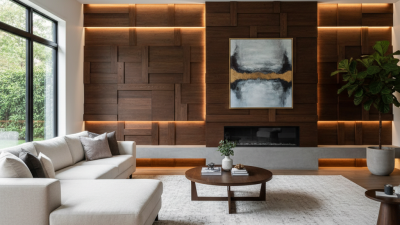
Choosing the right style for raised wall panels is crucial in achieving a cohesive look in your home. Start by considering the existing decor. Do you prefer modern minimalism or classic elegance? Each style will dictate the design and finish of your wall panels. For example, smooth, sleek panels work well in contemporary settings, while ornate, raised designs complement traditional aesthetics.
Tips for selecting wall panels include evaluating the texture and color. Light colors can brighten up a space, making it feel larger. Darker shades create a cozy atmosphere. Don't shy away from experimenting. While you may initially prefer a specific style, it’s important to visualize how it interacts with your furniture and lighting.
Reflect on the materials you choose. Solid wood offers durability but requires maintenance. MDF panels are budget-friendly and versatile. Think about how these choices impact the overall feel of your home. Balance is key. Strive for harmony between your panels and existing interior elements. Ultimately, it’s about creating a space that feels uniquely yours, even if it takes some trial and error.
Installation Considerations: Professional vs. DIY Approaches to Panels
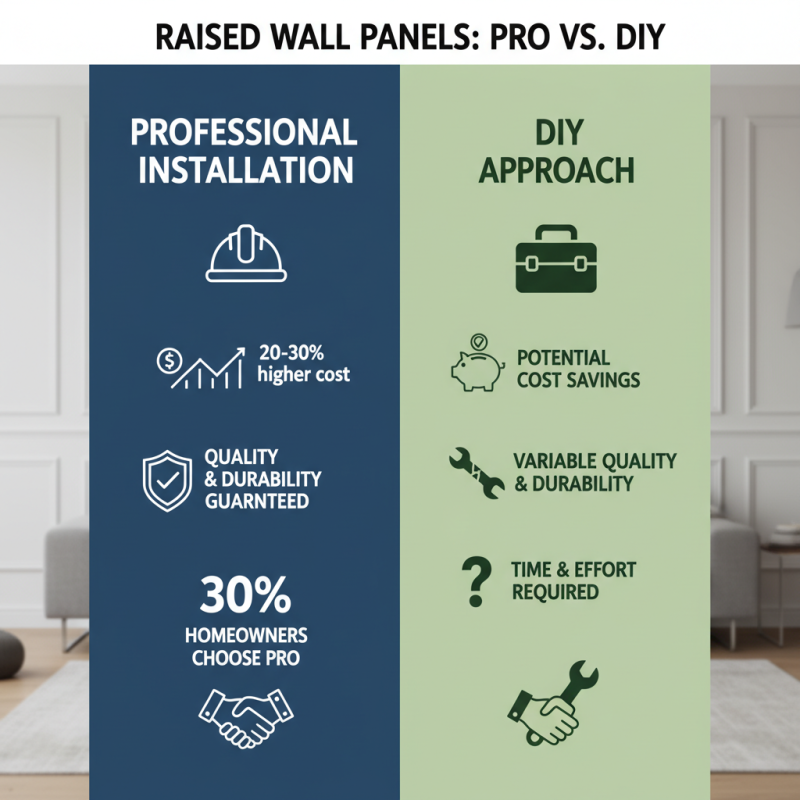
When considering raised wall panels, deciding between professional installation and a DIY approach can be challenging. According to the National Association of Home Builders, nearly 30% of homeowners opt for professional installation to ensure quality and durability. While hiring experts can lead to excellent results, it’s crucial to evaluate your budget. Professional services typically add about 20%-30% to project costs, based on complexity.
For those inclined towards DIY, having the right tools and skills is essential. Although tutorials and advice are readily available online, the lack of experience can lead to miscalculations. Common mistakes, such as misaligning panels or using incorrect adhesives, can diminish the overall aesthetic. About 40% of DIY enthusiasts reported needing to redo their projects, which speaks to potential pitfalls. Ensuring every detail is precise can be daunting but rewarding.
In contrast, professional installers come equipped with industry knowledge and advanced techniques. They can navigate installation challenges more effectively. Reports indicate that homes with professionally installed wall panels often see a 15% increase in value. This data underscores the importance of weighing your options carefully and acknowledging the potential for error when choosing the DIY path.