What is Fiberboard Medium Density Board and its Uses?
Fiberboard Medium Density Board is a versatile material widely used in both residential and commercial applications. This engineered wood product is made by compressing wood fibers under heat and pressure. The result is a dense, strong board that offers various advantages over traditional wood products.
In furniture making and interior design, Fiberboard Medium Density Board is favored for its smooth surface and ease of machining. It can be easily cut, molded, or laminated, allowing for creative designs. Its stability makes it a preferred choice for cabinetry, which requires durability and resistance to warping.
Despite its benefits, Fiberboard Medium Density Board has some drawbacks. It can be susceptible to moisture damage if not properly sealed. Additionally, it may emit volatile organic compounds (VOCs), which can affect indoor air quality. Understanding these limitations is essential for making informed decisions in using this material.
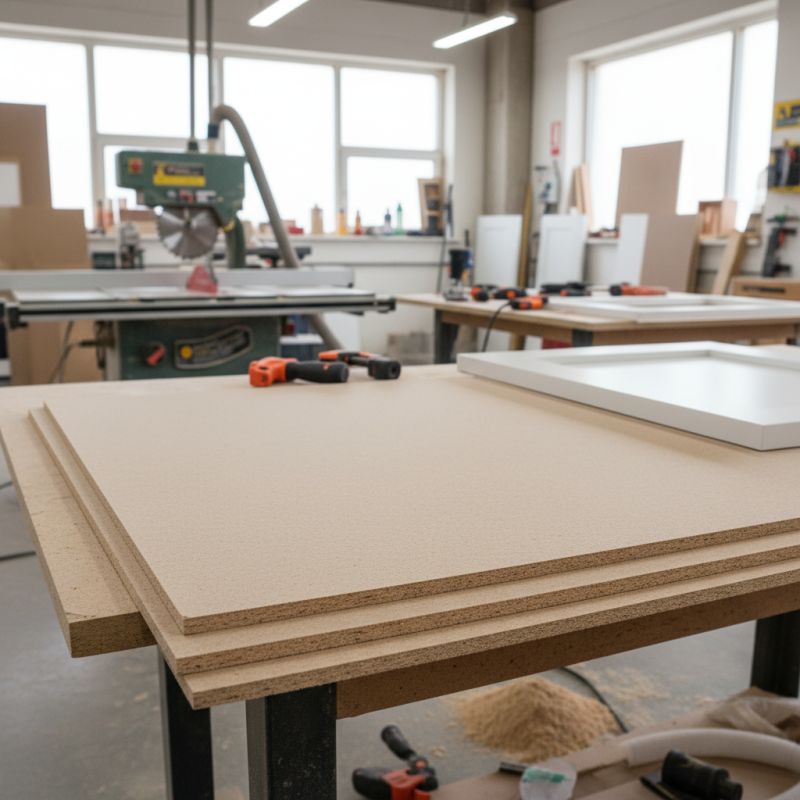
What is Medium Density Fiberboard: A Comprehensive Overview
Medium Density Fiberboard, commonly known as MDF, is a versatile engineered wood product. It consists of wood fibers, wax, and additives that are combined under heat and pressure. According to the U.S. Department of Agriculture, MDF is a popular choice due to its smooth surface, making it ideal for veneers and paints. It offers design flexibility, allowing for intricate shapes and profiles that solid wood cannot achieve easily.
The uses of MDF are numerous and diverse. It is commonly employed in furniture, cabinetry, and decorative moldings. Its density provides excellent sound insulation, making it suitable for applications in media rooms. A report by the Freedonia Group indicated that MDF demand in North America is expected to rise by 3% annually, driven by growth in the housing sector. However, potential users should consider its susceptibility to moisture. While MDF can be affordable and aesthetically pleasing, it may not be the best choice for high-humidity environments.
MDF's ability to be machined easily lends itself to custom projects, though it can create dust and health concerns during cutting. Safety measures are vital when working with MDF, as exposure to formaldehyde emissions can be a concern. Awareness of these factors can help mitigate risks, ensuring that using MDF remains a positive experience.
Composition and Production Process of Medium Density Fiberboard
Medium Density Fiberboard (MDF) is a widely used material in the construction and furniture industries. Its production involves a meticulous process that begins with wood fibers. These fibers are made from both sawmill residues and wood chips, which are broken down into fine particles. The fibers are then mixed with adhesive and other additives. This mixture is formed into mats and compressed under high pressure to create dense boards.
The production process of MDF involves several key steps. After wood fibers are collected, they undergo refining and drying. The drying process is crucial as moisture content must be controlled for optimal bonding. Once dried, the fibers are combined with adhesives. This blend is fed into a forming machine that shapes the material into continuous sheets.
Finally, the sheets are compressed in a hot press to cure the adhesives, resulting in sturdy boards.
Despite its advantages, the MDF manufacturing process does have limitations. It often requires high energy input and can produce waste materials. These byproducts necessitate careful management. Additionally, the adhesives used can contain volatile organic compounds. As awareness of sustainability grows, exploring eco-friendly alternatives in the production process is essential for a greener future.
Key Properties and Characteristics of Medium Density Fiberboard
Medium Density Fiberboard (MDF) is an engineered wood product made from wood fibers. It is known for its smooth texture and versatility. Its main characteristics include high density, uniformity, and ease of machining. MDF typically has a density range of 30-50 lbs per cubic foot. This makes it stronger than particle board but lighter than solid wood.
One key property of MDF is its ability to be molded into various shapes. It can be cut, drilled, and painted without chipping or splintering. This adaptability makes it ideal for furniture, cabinetry, and decorative applications. According to industry reports, the global MDF market is expected to reach USD 33 billion by 2027, driven by its increasing demand in construction and interior design.
Tips: For best results, always use a fine-toothed saw when cutting MDF. This prevents rough edges. Moreover, consider using a dust mask. MDF can produce fine dust during machining which may not be healthy when inhaled. Additionally, while MDF is moisture resistant, it's not waterproof. Avoid using it in highly humid areas without proper sealing.
What is Fiberboard Medium Density Board and its Uses? - Key Properties and Characteristics of Medium Density Fiberboard
| Property | Medium Density Fiberboard (MDF) |
| Density | 600 - 800 kg/m³ |
| Thickness | 3 mm to 30 mm |
| Main Material | Wood fibers and adhesive |
| Moisture Resistance | Moderate |
| Uses | Furniture, cabinetry, interior doors, decorative panels |
| Surface Finish | Laminated, veneered, or painted |
| Strength | Good bending and compression strength |
| Environmental Impact | Recyclable and often made from recycled fibers |
Common Applications of Medium Density Fiberboard in Various Industries
Medium Density Fiberboard (MDF) is widely used across various industries for its versatile applications. Its unique composition of wood fibers, adhesive, and heat creates a stable material ideal for furniture, cabinetry, and interior designs. According to a market research report, the MDF segment accounts for approximately 25% of the global wood-based panels market. This statistic underscores its growing importance in various manufacturing sectors.
In the furniture industry, MDF is celebrated for its smooth surface. This makes it perfect for painting and veneering. It can mimic more expensive materials at a fraction of the cost. Additionally, MDF is used for creating intricate designs that are often challenging with solid wood. However, it is crucial to understand its limitations. Moist environments can damage MDF, leading to swelling or warping. Therefore, careful consideration in design is necessary.
The acoustic and thermal insulation properties of MDF are also notable. It is frequently utilized in soundproofing applications in music studios and offices. However, while its benefits are significant, manufacturers must weigh MDF's environmental impact. Some production processes emit volatile organic compounds (VOCs), which can be harmful. Balancing performance, cost, and sustainability is essential for industry stakeholders.
Market Trends and Future Outlook for Medium Density Fiberboard Usage
The medium density fiberboard (MDF) market has seen significant growth in recent years. This trend is driven by increased demand across various sectors, including furniture, cabinetry, and construction. Designers and manufacturers appreciate MDF for its smooth surface and versatility. It easily takes on paint and veneers, making it an ideal choice for decorative applications.
Future projections suggest continued growth. As eco-friendly practices gain popularity, many MDF manufacturers are adopting sustainable sourcing methods. This shift addresses both environmental concerns and customer preferences. However, some challenges persist. The market faces competition from solid wood and alternative composite materials. This can create uncertainty for MDF producers.
Innovation remains crucial. Advances in technology could enhance the properties of MDF, making it even more appealing. Companies are exploring new manufacturing techniques to improve durability and moisture resistance. Balancing quality and cost remains a dilemma. The future for medium density fiberboard may be bright, but it is a landscape requiring constant adaptation and reflection.
Market Trends in Medium Density Fiberboard (MDF) Usage
This bar chart illustrates the trend in Medium Density Fiberboard (MDF) usage from 2019 to 2024. The data shows a steady increase in MDF usage, reflecting the growing demand in various applications such as furniture, cabinetry, and construction materials.