What is Flat Panel Wainscoting and How Can It Transform Your Home
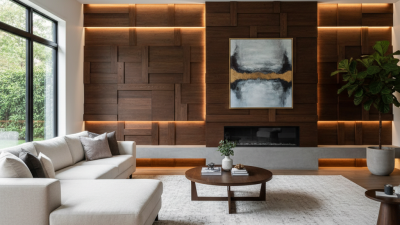
Flat panel wainscoting is a timeless design element that has the power to elevate the aesthetic of any home. Often characterized by its clean lines and minimalist appeal, this distinctive form of wall treatment offers both functional and decorative benefits. Traditionally used to protect walls from damage, flat panel wainscoting has evolved into a stylish feature that adds character and depth to interior spaces. By defining areas within a room, it creates a visual framework that enhances the overall ambiance.
Implementing flat panel wainscoting in your home can transform ordinary walls into stunning focal points. Whether applied in a dining room, hallway, or living area, it introduces a sophisticated touch that resonates with a wide range of interior styles, from modern to traditional. Homeowners have the opportunity to play with various wood finishes and paint colors, allowing for personalization and creativity in their space. Beyond aesthetics, flat panel wainscoting can also increase the perception of height in a room, making it feel more open and inviting. Ultimately, this design choice provides an elegant solution for those looking to refresh and redefine their home’s interior.
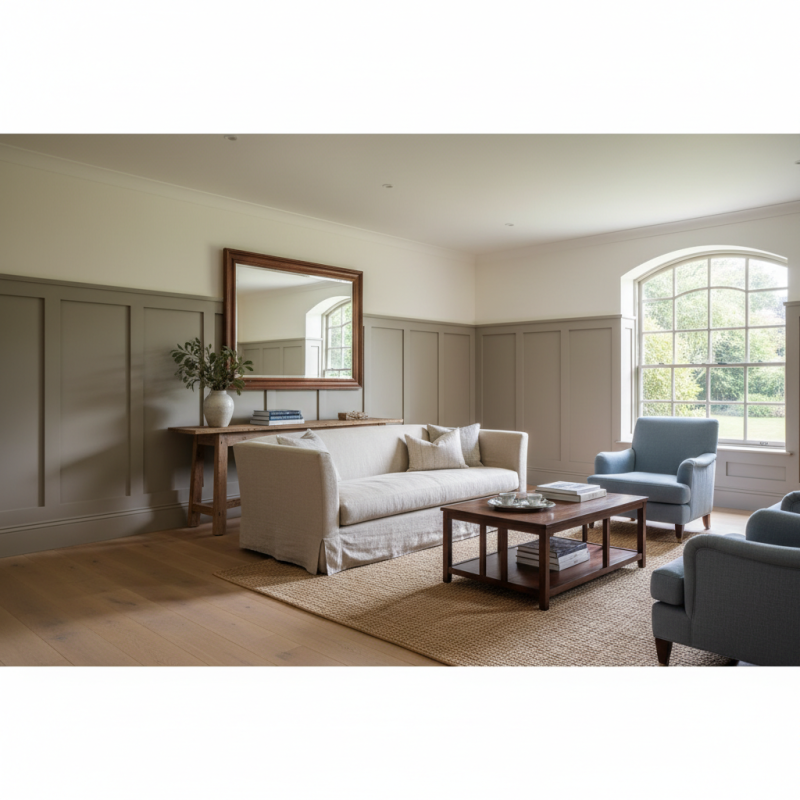
What is Flat Panel Wainscoting?
Flat panel wainscoting is a decorative wall treatment that features smooth, flat panels instead of the traditional raised or beveled designs. This style of wainscoting is characterized by its simplicity and modern aesthetic, making it a popular choice for contemporary homes. Typically installed in the lower third of a wall, flat panel wainscoting adds a sense of sophistication and elegance to interiors without overwhelming the overall design. The clean lines and understated appearance allow it to complement various styles, from minimalist to farmhouse, without clashing with existing decor.
In addition to enhancing visual appeal, flat panel wainscoting serves a functional purpose by protecting walls from wear and tear, especially in high-traffic areas like hallways and entryways. The durable material used can withstand impacts and scuffs, providing longevity to the decorative aspect while maintaining its pristine look. Furthermore, homeowners can personalize their flat panel wainscoting by selecting different colors and finishes, which can either blend seamlessly with the wall or create an eye-catching contrast. This versatility makes flat panel wainscoting an effective solution for transforming any space, bringing both style and practicality to home interiors.
History and Evolution of Wainscoting Styles
Wainscoting has a rich history that dates back to the late Middle Ages, primarily in Europe, where it was originally used for practical purposes. Early wainscoting consisted of wood panels applied to the lower part of interior walls, serving to insulate rooms and protect them from dampness. As architectural styles evolved, so did wainscoting, transitioning from functional paneling to a decorative feature that expressed elegance and craftsmanship. By the 18th century, styles such as raised panel wainscoting became a symbol of wealth and sophistication, often seen in the grand homes of the American colonial era.
Today, flat panel wainscoting offers a contemporary take on this timeless craft, transforming spaces with its clean lines and minimalist appeal. It can modernize a traditional room or add an understated elegance to a more contemporary setting. To incorporate flat panel wainscoting in your home, consider using light colors to brighten a space or darker tones for a dramatic effect.
**Tips:** When selecting wainscoting for your home, think about the overall ambiance you wish to create. Use contrasting colors between the wall and the wainscoting to make the panels stand out, or opt for a monochromatic scheme for a seamless look. Additionally, accessorizing with molding or trim can enhance the visual interest of flat panel wainscoting, drawing attention to this beautiful architectural feature.
Benefits of Installing Flat Panel Wainscoting in Your Home
Flat panel wainscoting has increasingly become a popular choice among homeowners looking to elevate their interior spaces. According to a survey conducted by the National Association of Home Builders, about 67% of homeowners consider wall treatments, such as wainscoting, as a significant factor in enhancing overall home aesthetics. This decorative feature not only adds elegance but also embodies a timeless quality that can adapt to various design styles, from traditional to contemporary.
One of the key benefits of installing flat panel wainscoting is its ability to create the illusion of higher ceilings, which is particularly advantageous in smaller spaces. A report from Remodeling Magazine highlights that this type of wainscoting can also provide a sound-dampening effect, improving acoustics within a room, a feature especially valued in urban settings. Furthermore, wainscoting can protect walls from wear and tear, with studies showing that such installations can extend the life of wall surfaces, ultimately saving homeowners on repairs and maintenance costs. In environments with high foot traffic, flat panel wainscoting can serve as a durable barrier while enhancing the home's overall value by offering a sophisticated aesthetic appeal.
What is Flat Panel Wainscoting and How Can It Transform Your Home - Benefits of Installing Flat Panel Wainscoting in Your Home
| Feature |
Benefits |
Impact on Aesthetics |
Cost Efficiency |
Installation Time |
| Material Variety |
Choice of wood, MDF, or PVC for customization |
Enhances character and style of the room |
Affordable option compared to full wall paneling |
1-2 days for an average room |
| Design Flexibility |
Can be tailored to fit any design style |
Adds depth and dimension to flat walls |
Cost-effective alternative to wallpaper or murals |
Quick setup with prepared panels |
| Durability |
Resistant to wear and tear, easy to clean |
Maintains a fresh appearance over time |
Long-lasting investment for home improvement |
Minimal disruption during installation |
| Increased Home Value |
Improves overall value with updated aesthetic |
Makes the home more appealing to buyers |
Enhances return on investment |
Fast completion allows for quick access to space |
Design Options and Customization for Flat Panel Wainscoting
Flat panel wainscoting offers a versatile design option that can significantly enhance the aesthetic of any room. Homeowners can choose from various styles, including minimalist designs that emphasize clean lines or more intricate patterns that add depth and character to walls. The customization possibilities are extensive; you can select from different wood finishes, paint colors, and even textures to perfectly match your home’s overall décor. This adaptability allows flat panel wainscoting to blend effortlessly with both modern and traditional interiors.
Customization goes beyond just materials and colors. Homeowners can opt for varying heights and widths to create a unique look that suits their personal style. Additionally, incorporating various elements such as cap rails, baseboards, or even integrated lighting can elevate the design further. Whether you prefer a classic raised-panel appearance or a sleek, contemporary flat finish, the options available ensure that your wainscoting reflects your individual taste while adding an element of sophistication to your living space.
Installation Process: DIY vs. Professional Help
When considering the installation of flat panel wainscoting in your home, it's essential to weigh the options of DIY versus hiring a professional. According to a report by the Joint Center for Housing Studies, nearly 60% of homeowners choose to engage professionals for such renovations, valuing expertise and time savings. Professional installation ensures a flawless finish, addressing potential pitfalls that inexperienced DIYers might not foresee, such as accurate measurements and complex corner cuts. The costs of professional installation can range from $500 to $1,200, significantly influencing the decision for many homeowners.
For those inclined to tackle the project themselves, the DIY route can be rewarding and cost-effective. With careful planning and the right tools, you can achieve a stunning transformation for a fraction of the professional cost. Online resources and local workshops can provide valuable guidance. However, remember to take precise measurements and invest in quality materials to ensure durability and aesthetic appeal.
Tip: Before starting your DIY project, create a detailed plan that includes a budget, timeline, and design sketches. This preparation will not only streamline the process but also help you anticipate any challenges. Another useful tip is to practice your cuts on scrap wood to gain confidence and ensure accuracy before working with your final materials.