Top 10 Molding and Trim Designs to Elevate Your Home Decor
In the realm of home decoration, the significance of molding and trim cannot be overstated. According to a report from the Home Improvement Research Institute, installations of decorative moldings can increase a home's value by up to 10%. These elements not only enhance aesthetic appeal but also contribute to the overall architectural integrity of a space. As expert contractor John Thomas emphasizes, "Molding and trim are the unsung heroes of home décor—they bring character and continuity to interior design."
The current trends reflect a shift towards more intricate and personalized designs, providing homeowners with ample opportunity to express their unique style. From classic crown moldings to modern baseboards, the diversity in molding and trim styles allows for seamless integration into any home environment, thereby elevating the overall decor. Furthermore, research indicates that incorporating high-quality molding significantly improves the perception of a room's size, making it feel more spacious and inviting.
Investing in the right molding and trim can thus be a transformative decision for homeowners looking to enhance their living spaces. As the market continues to innovate, the possibilities for creative expression through these design elements are endless, making them a worthy consideration in every home improvement project.
Understanding Molding and Trim: Definitions and Concepts
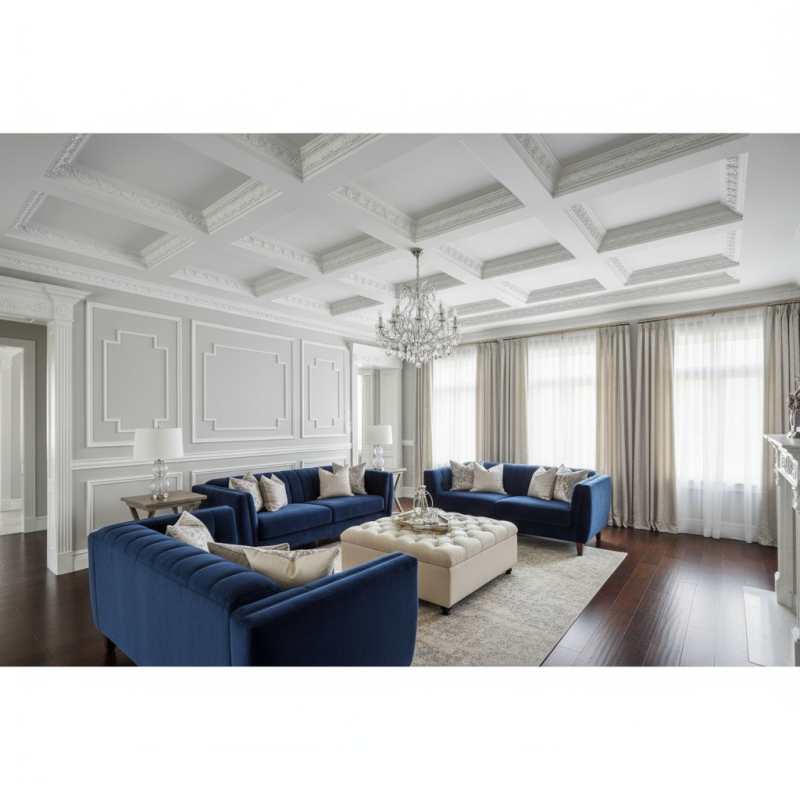
Molding and trim are essential elements in home decor that can significantly enhance the aesthetic appeal of any space. Molding refers to the decorative elements that are used to create transitions between different surfaces, such as walls and ceilings or floors. It comes in various styles, including crown molding, baseboards, and casings, each serving a functional purpose while also adding visual interest. Trim, on the other hand, generally refers to the finishing edges along windows, doors, and other openings, providing a polished look and ensuring seamless integration between adjacent materials.
When selecting molding and trim for your home, consider the overall design theme you wish to achieve. For a modern aesthetic, sleek and minimalistic trims can provide a clean finish, whereas traditional styles with intricate details can enhance classic or vintage decor. Always remember to evaluate the scale of your space; over-ornate designs can overwhelm smaller rooms, while simple, understated profiles may get lost in expansive areas.
Tips for incorporating molding and trim effectively include using contrasting paint colors to highlight these features, allowing them to stand out and draw attention. Additionally, using wider baseboards and taller crown molding can create the illusion of higher ceilings, making your spaces feel more expansive. Lastly, don't hesitate to mix different styles to personalize your decor—just ensure that the combinations harmonize with each other for a cohesive overall look.
Exploring Different Materials Used in Molding and Trim Designs
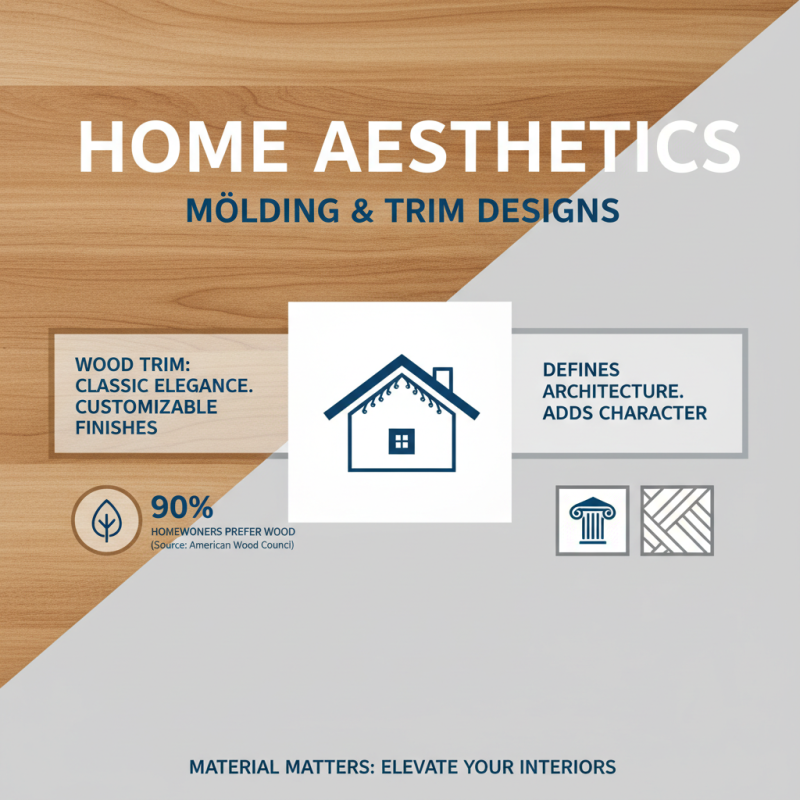
When it comes to enhancing the aesthetic appeal of your home, molding and trim designs play a crucial role. They not only add character to spaces but also define architectural styles. Different materials used in these designs can significantly impact the overall look and feel of your interiors. For instance, traditional options such as wood provide a classic elegance and can be easily customized with various finishes. According to a report by the American Wood Council, about 90% of homeowners prefer wood trim for its warmth and versatility, highlighting its enduring popularity in residential design.
On the other hand, modern materials like polyurethane and MDF (Medium Density Fiberboard) are gaining traction due to their cost-effectiveness and ease of installation. These materials can mimic the appearance of wood while being more resistant to moisture and warping, making them ideal for high-humidity areas like bathrooms. A study from the National Association of Home Builders indicates that around 45% of new constructions in the U.S. are utilizing synthetic materials, reflecting a shift in consumer preferences towards durability and functionality.
Tips: When selecting molding and trim materials, consider your home's existing style and the environmental conditions of the area. It's advisable to choose materials that not only enhance aesthetics but can also withstand wear over time. For intricate designs, opt for materials that can be easily painted or stained, allowing for customization while maintaining durability. Lastly, always consult with a design professional to ensure that your choices align with both your personal style and practical needs.
Top Design Styles: From Traditional to Modern Molding Options
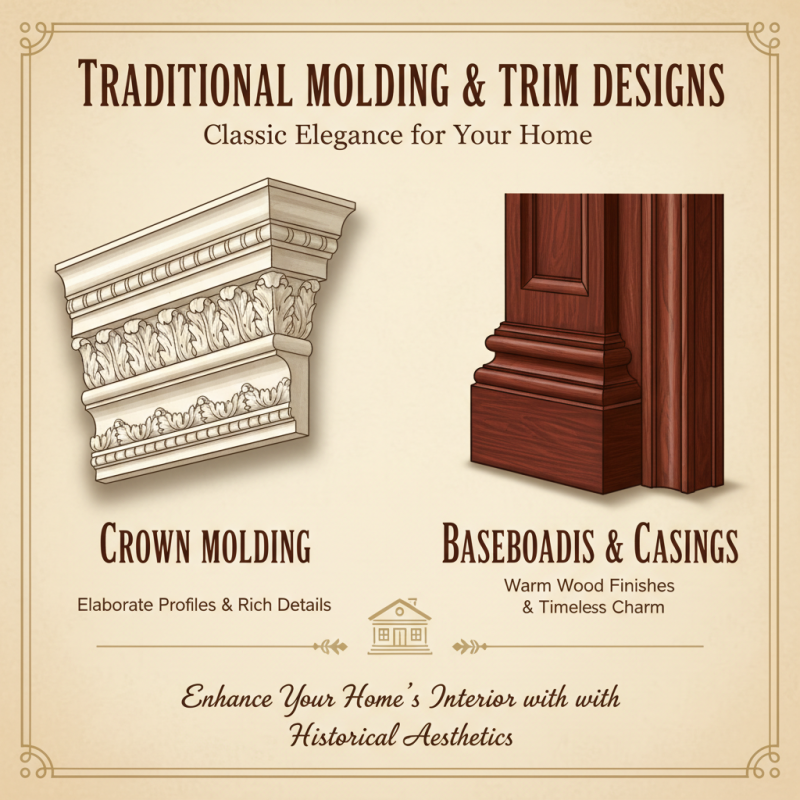
When it comes to molding and trim designs, the options available reflect a wide array of styles that can dramatically enhance your home’s interior. Traditional molding often features intricate details, such as crown moldings with elaborate profiles and baseboards that add a touch of classic elegance. This style is perfect for those who appreciate historical aesthetics, as it complements vintage furnishings and sophisticated decor. The warmth of wood finishes, often seen in traditional designs, brings a timeless charm that resonates with many homeowners.
On the other hand, modern molding options focus on clean lines and minimalistic approaches, resonating well with contemporary themes. Straight, sleek profiles without excessive ornamentation can be used to elevate a space while maintaining a sense of open simplicity. Materials such as polyurethane and MDF are often preferred for their durability and versatility, allowing for innovative applications in today’s living spaces. Whether you opt for the grandeur of traditional styles or the subtlety of modern designs, incorporating moldings is a surefire way to create an inviting and aesthetically pleasing atmosphere in any home.
Unique Molding and Trim Ideas to Enhance Specific Rooms
When considering how to enhance your home, molding and trim can play a pivotal role in elevating specific rooms through unique designs. According to the National Association of Home Builders, well-designed moldings can increase a home's value by up to 10%. This statistic highlights the importance of incorporating eye-catching architectural details into your living spaces. For instance, coffered ceilings in dining rooms add an element of sophistication, seamlessly blending traditional elegance with modern aesthetics.
In living rooms, chunky crown moldings can accentuate the room's height while framing the space beautifully. The trend towards using wider, more decorative trim has surged; research shows that approximately 61% of homeowners are opting for premium materials to create a more polished look. In bathrooms, subtle wainscoting or beadboard can introduce a fresh, airy feel, enhancing both style and functionality. Furthermore, in spaces like home offices, implementing custom baseboards can provide a professional finish that contributes to a productive atmosphere. By thoughtfully selecting and installing unique molding and trim designs, homeowners can significantly transform the ambiance and character of their spaces.
Top 10 Molding and Trim Designs to Elevate Your Home Decor
| Design Type |
Description |
Ideal Room |
Material |
Color Options |
| Crown Molding |
Elegant addition to ceilings that enhances height perception. |
Living Room |
Wood, PVC |
White, Cream, Dark Wood |
| Chair Rail |
Divides wall space for aesthetic balance and protection. |
Dining Room |
Wood, MDF |
White, Pastels, Bold Colors |
| Baseboards |
Covers gaps between the wall and floor, adding polish. |
Hallways, Entryways |
Wood, Polyurethane |
White, Natural Wood |
| Wainscoting |
Adds texture and depth to walls, often painted or stained. |
Bathrooms, Living Rooms |
Wood, Vinyl |
White, Navy, Gray |
| Coffered Ceilings |
Creates a grid pattern with recessed areas for visual interest. |
Home Office, Dining Rooms |
Wood, Gypsum |
White, Light Woods |
| Picture Rails |
Used for hanging artwork without damaging walls. |
Living Rooms, Galleries |
Wood |
Natural Wood, Dark Stain |
| Crown Molding Lighting |
Incorporates lighting elements to highlight moldings. |
Bedrooms, Living Rooms |
Wood, LED |
Customizable Colors |
| Beams |
Adds rustic charm and architectural interest. |
Kitchens, Living Rooms |
Wood |
Stained, Painted |
| Door Frames |
Enhances the look of doorways with detailed designs. |
Entrances, Bedrooms |
Wood, Metal |
White, Stain |
| Overlay Designs |
Creative patterns added to walls for a bold statement. |
Accent Walls, Offices |
Wood, Polyurethane |
Colorful, Monochrome |
Maintenance and Care Tips for Longevity of Molding and Trim
Maintaining the appearance and integrity of molding and trim in your home can significantly enhance its overall aesthetic appeal. To ensure longevity, regular dusting and cleaning are essential. Use a soft microfiber cloth to gently wipe away accumulated dust and dirt. For deeper cleaning, a mixture of mild soap and water can effectively remove stubborn stains without damaging the finish. Avoid using abrasive cleaners that may scratch the surface, and always test any cleaning solution on a small, inconspicuous area first.
In addition to proper cleaning, periodic inspections can help you catch potential issues early. Look for signs of wear, such as peeling paint, cracks, or water damage. Address any issues immediately—repainting, repairing, or sealing as necessary—will help prevent further deterioration. Furthermore, maintaining a stable indoor humidity level can minimize warping and cracking, protecting your molding and trim from the effects of fluctuating moisture. By investing time in these maintenance practices, you can ensure that your molding and trim remain a beautiful and durable aspect of your home decor for years to come.