Why Molding and Trim Are Essential for Home Design and Aesthetics?
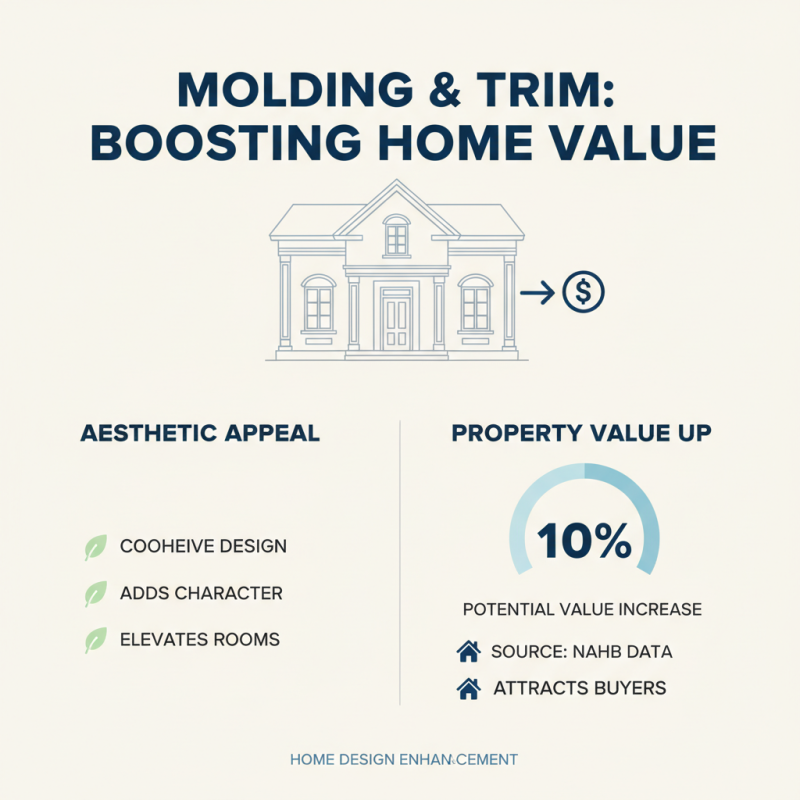
In the realm of home design, molding and trim play a pivotal role. They enhance aesthetics while offering functional benefits. According to the National Association of Home Builders, homes with custom molding can see a value increase of up to 10%. This detail not only beautifies spaces but also emphasizes architectural features.
Expert Jonathan Smith, a well-known figure in the molding and trim industry, states, “Quality molding and trim can transform a space from ordinary to extraordinary.” His insights highlight the importance of these elements in both modern and traditional homes. However, many homeowners overlook the impact of well-designed trim. In some cases, low-quality materials can detract rather than elevate a room’s appearance.
Incorporating molding and trim requires thoughtful consideration. Selecting the right style can complement existing décor or create a focal point. Neglecting this aspect can result in a missed opportunity to enhance home value and comfort. Homeowners should explore options and consult experts to maximize the potential of their spaces.
The Role of Molding and Trim in Defining Interior Spaces
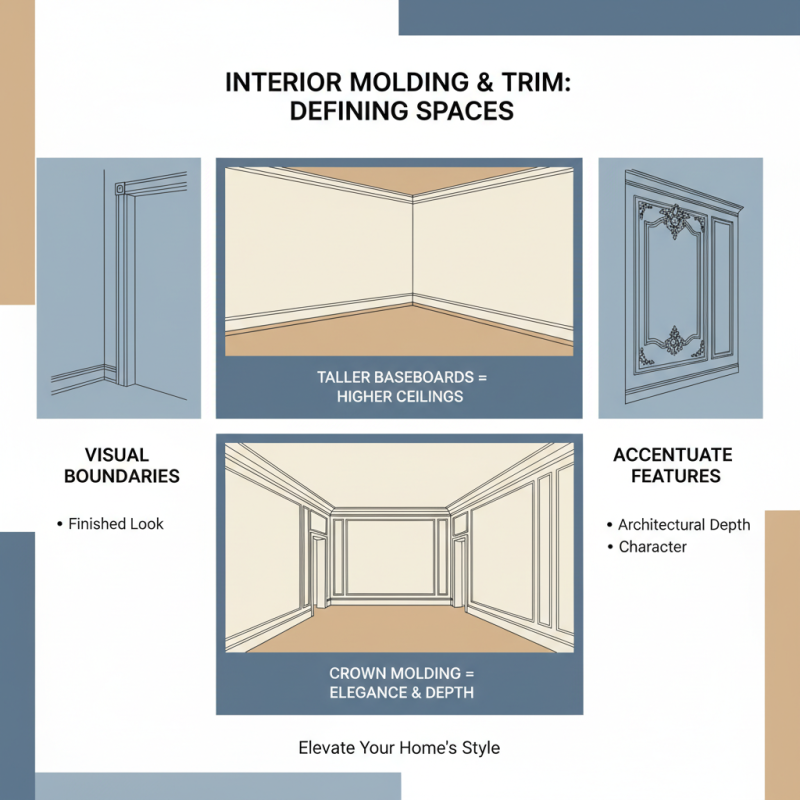
Molding and trim play a significant role in defining interior spaces. They act as visual boundaries, creating a more finished look. Well-placed moldings can accentuate architectural features, adding depth and character to rooms. For instance, taller baseboards can make ceilings appear higher, while crown molding can enhance the elegance of a room.
When selecting moldings, consider the room's style. Traditional spaces often benefit from ornate designs, while modern spaces can look better with streamlined profiles. Mixing styles could feel chaotic if not done thoughtfully. Sometimes, a simple trim can draw attention in a striking way, while other times it might fade into the background.
**Tip:** Don’t shy away from paint. A bold color on moldings can create a stunning contrast.
Be mindful of scale too. Choosing the right size is vital; overly large trim can overwhelm a small room. Conversely, delicate moldings in expansive spaces might go unnoticed. Assessing your space is critical. One size doesn't fit all, and adjusting to your specific area can make a difference.
**Tip:** Always test a small section before committing. It can prevent regrets down the line.
Types of Molding and Trim: Styles and Materials Explained
Molding and trim are vital components of home design. They enhance aesthetic appeal and provide a finished look. Different styles and materials can transform a room’s ambiance. There are various types to explore, each offering unique characteristics.
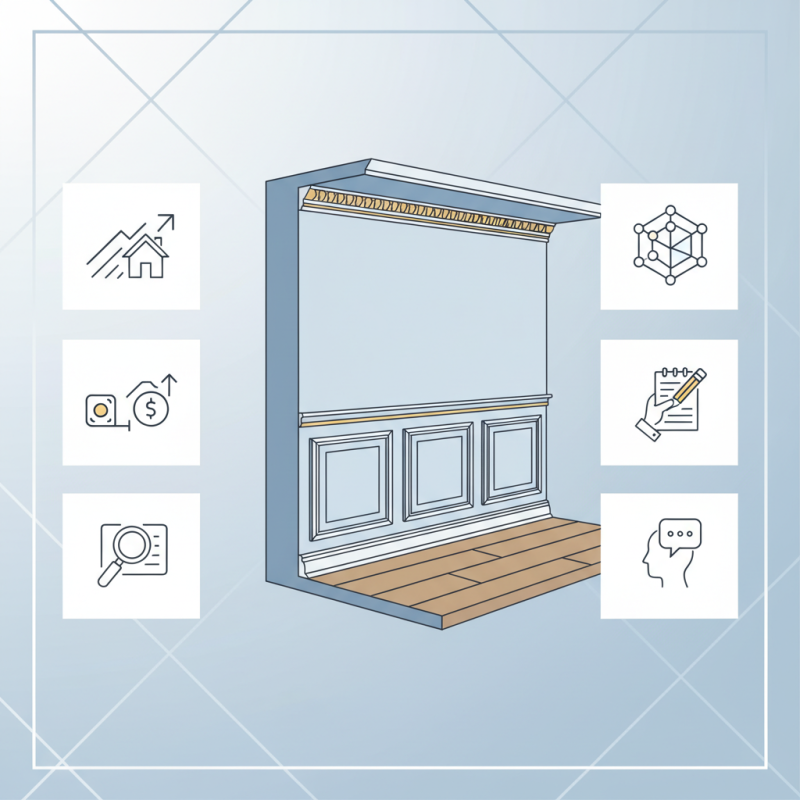
Crown molding adds elegance to ceilings. It draws the eye upward and creates a sense of height. Baseboards protect walls and offer a grounding effect. They come in various widths and profiles. Chair rails can visually separate spaces and add charm. Wainscoting brings texture and depth, perfect for traditional settings.
Materials vary widely. Wood is classic but can warp or crack. PVC is durable and water-resistant but lacks warmth. Composite materials offer a balance but may not emulate real wood perfectly. Meticulous choice matters. Each detail impacts the overall design. Reflecting on the selection can lead to surprising results. Ultimately, molding and trim are not just decorative; they frame our living spaces.
Impact of Molding and Trim on Home Aesthetics and Value
Molding and trim play a vital role in home aesthetics. They frame windows and doors, enhancing their visual appeal. Simple details, like crown molding, can elevate an ordinary room. It creates a seamless transition between walls and ceilings. This subtle touch adds depth and character to the space.
The right trim can also influence a home's value. Potential buyers often look for unique features in homes. Intricate moldings can suggest quality craftsmanship. They offer a sense of history and elegance. However, overdoing it can create a cluttered look. Finding balance is key. A clean, modern trim can appeal to contemporary tastes while still feeling warm and inviting.
While moldings enrich design, they require regular maintenance. Dust can accumulate in crevices, diminishing their charm. Homeowners need to reflect on their choices, ensuring each piece complements their vision. Sloppy installations can detract from overall aesthetics. Thoughtful curation of molding and trim makes a lasting impression.
Impact of Molding and Trim on Home Aesthetics and Value
| Aspect |
Description |
Impact on Home Value |
| Visual Appeal |
Molding and trim enhance a home's interior and exterior look, providing a polished and complete appearance. |
Higher perceived value, potential price increase of 5-10%. |
| Architectural Style |
Different moldings can signify various architectural styles, contributing to the personality of a home. |
Increased attractiveness to buyers interested in specific styles. |
| Durability |
Quality molding materials provide longevity and reduce maintenance needs. |
Adds long-term value through reduced replacement and upkeep costs. |
| Versatility |
Molding can be applied in various spaces (ceilings, walls, floors) to enhance aesthetics. |
Higher adaptability can appeal to a broader market segment. |
| Market Trends |
Current design trends favor the integration of trim and molding in renovations. |
Properties that meet modern aesthetic standards may see increased market interest. |
Techniques for Integrating Molding and Trim in Design Projects
Integrating molding and trim into home design can significantly enhance aesthetic appeal. Data from the National Association of Home Builders shows that homes with well-executed moldings can see an increase in property value by up to 10%. This is not just about adding decorative elements; it's about creating a cohesive look that resonates with potential buyers.
When planning a design project, consider the style and scale of molding. For instance, modern homes may benefit from sleek, simple trims, while traditional spaces often call for ornate details. A study from the American Institute of Architects found that over 70% of architects prioritize molding and trim in their designs to add layers of texture and depth. Experimenting with colors and finishes is essential. A bold contrast can create a striking entryway, but mismatched elements might lead to a chaotic appearance.
Pay attention to the dimensions and placement of your trim. Crown molding that’s too narrow can appear lost in tall spaces, while overly elaborate profiles can overwhelm smaller rooms. Reflection on these choices is crucial. The right molding can elevate a design, but poor integration can detract from it, creating a visual imbalance that distracts from a home's appeal.
Maintenance and Care for Long-lasting Molding and Trim Elements
Molding and trim can enhance the beauty of any home. However, maintaining these features is crucial for their longevity. According to a 2022 study by the Home Improvement Research Institute, well-maintained trim can last over 50 years. Neglecting moldings, however, can lead to deterioration in just a few years. Regular inspections help identify issues early, so care is key.
Cleaning moldings should be part of your home maintenance routine. Dust and grime can accumulate quickly. Use a microfiber cloth and mild detergent to keep them looking fresh. Paint touch-ups are also essential. Research shows that homes that refresh their trim paint every five years retain higher property values. Choosing the right paint can make a significant difference in durability.
In areas with high humidity, preventive measures are needed. Consider applying a sealant to protect against moisture. This not only enhances the look but also creates a barrier against potential decay. Ignoring these details can lead to costly repairs. It’s better to invest time in maintenance than to face unexpected expenses later.
Importance of Molding and Trim in Home Design