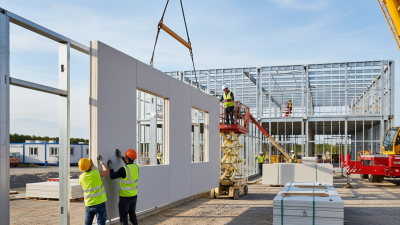
What are Pre Fab Walls and How Do They Benefit Construction?
Pre fab walls are revolutionizing the construction industry. They offer numerous benefits that streamline building processes. These walls are factory-made, allowing for precise measurements and quality control. The use of pre fab walls reduces construction time significantly. With shorter timelines, projects can be completed more efficiently.
Additionally, pre fab walls enhance sustainability. They minimize waste generated during construction. This eco-friendly approach meets growing demand for greener buildings. However, relying solely on them may limit customization options. Each project is unique, and some may prefer traditional methods.
Pre fab walls also require skilled labor for installation. While they can reduce general labor costs, expertise is necessary for optimal results. Inadequate installation could lead to long-term issues. Therefore, it’s essential to weigh the benefits against potential downsides when considering pre fab walls for your next construction project.
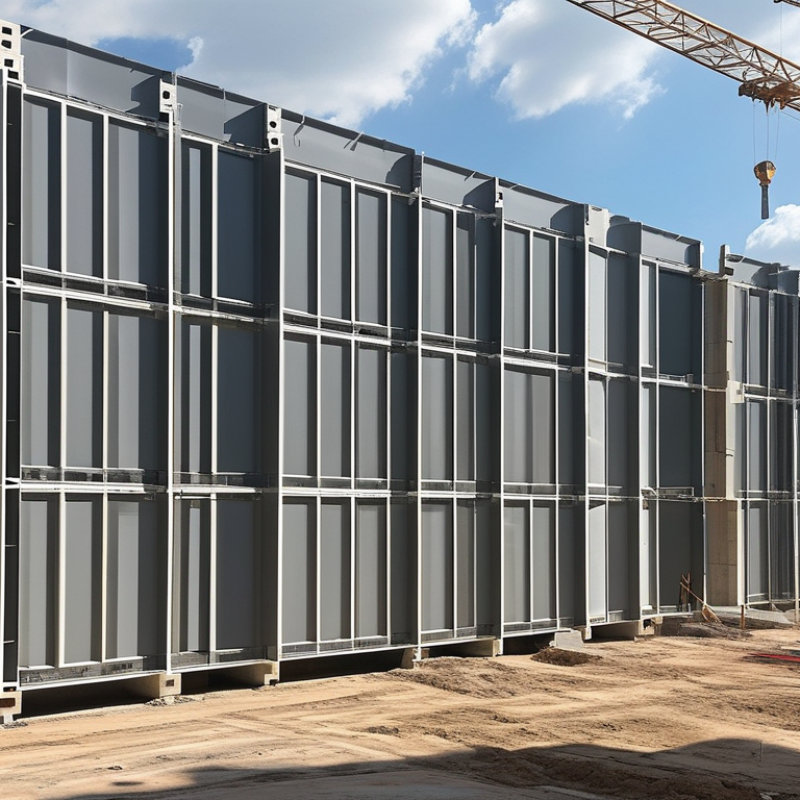
What are Pre-Fabricated Walls?
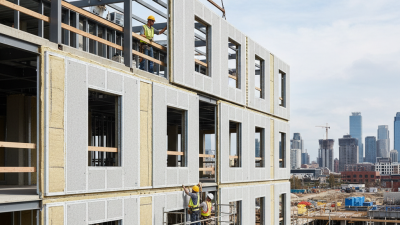
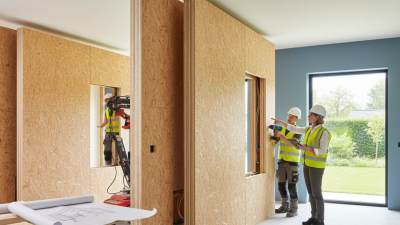
Pre-fabricated walls, often known as pre fab walls, are integral components of modern construction. These walls are manufactured in a factory setting, where conditions ensure precision and quality control. Typically made of materials like plywood, drywall, or concrete, they can be assembled into complete wall units before reaching the job site. According to a report from the Construction Industry Institute, the use of pre-fab components can reduce construction time by as much as 30%. This efficiency can significantly influence project timelines and costs.
One key advantage of pre-fabricated walls is their consistency. They are built under controlled environmental conditions. This reduces the likelihood of defects compared to traditional on-site construction. However, challenges can arise in logistics and coordination with site-specific variables. A study published in the Journal of Construction Engineering and Management noted that successful integration requires careful planning and communication. Unforeseen site conditions, such as uneven ground or weather delays, can complicate the assembly process. Hence, while the benefits are clear, the management of pre-fab installation demands attention and adaptability.
What are Pre-Fab Walls and How Do They Benefit Construction?
| Dimension |
Description |
Benefits |
| Material |
Typically made of steel, concrete, or wood. |
Durable and sustainable options available. |
| Construction Time |
Quick assembly on-site due to off-site fabrication. |
Reduces overall construction time significantly. |
| Cost Efficiency |
Lower labor costs due to reduced on-site workforce. |
Minimizes wastage and optimizes material usage. |
| Design Flexibility |
Can be customized to fit various architectural designs. |
Allows for innovative structures and aesthetic appeal. |
| Insulation |
Often includes integrated insulation panels. |
Enhances energy efficiency and reduces utility costs. |
The Manufacturing Process of Pre-Fab Walls
The manufacturing process of pre-fab walls involves several key steps that contribute to efficiency and quality. First, raw materials such as concrete, steel, and insulation are selected with care. Each material must meet strict standards. Then, these materials are assembled in a controlled factory environment. This minimizes weather-related delays and optimizes worker safety.
Next, custom molds are created based on project specifications. The concrete is poured into these molds, allowing for precise dimensions. Once cured, these walls are reinforced with steel, enhancing durability. Advanced technology is often utilized to ensure consistency throughout the production process. Factory audits and quality checks play a crucial role in maintaining high standards.
However, challenges can arise during manufacturing. For instance, miscalculations in design can lead to costly delays. Moreover, not all factories have the same level of expertise or equipment. Some may struggle with adherence to sustainability practices. It’s essential for builders to assess the reliability of their prefabricated suppliers. Understanding these aspects will help ensure successful projects with pre-fab walls.
Advantages of Using Pre-Fab Walls in Construction
Pre-fabricated (pre-fab) walls are revolutionizing modern construction. They are produced off-site in a controlled environment. This method enhances quality control and reduces construction time. Studies show that using pre-fab walls can decrease the project timeline by up to 30%. This efficiency is vital in a competitive market where time equals money.
One major advantage of pre-fab walls is their potential for significant cost savings. According to industry reports, labor costs can be reduced by as much as 50%. Moreover, waste generated on-site drops considerably. Fewer materials wasted means a more sustainable approach to building. However, pre-fabricated components can be costly upfront. Builders must carefully consider their budgets and the long-term benefits.
Additionally, pre-fab walls offer design flexibility. They can accommodate various architectural styles while ensuring structural integrity. Engineers and architects appreciate the ease of integrating utilities within these walls. Yet, some may find the installation process complex. A skilled workforce is essential to maximize these advantages. Balancing skilled labor availability is a challenge many construction firms face today.
Applications of Pre-Fab Walls in Modern Building Projects
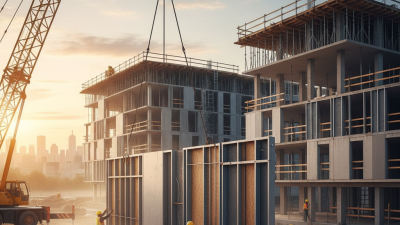
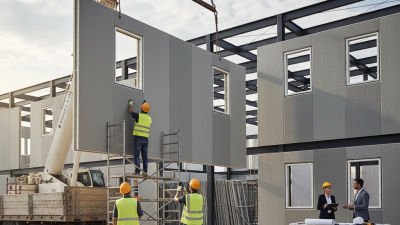
Pre-fab walls are gaining traction in modern construction. These walls are manufactured off-site and delivered ready for installation. They offer a variety of applications that cater to both residential and commercial projects. Builders increasingly use pre-fab walls for quick assembly and cost-effectiveness. These panels can be designed for insulation, noise reduction, and even aesthetics, making them versatile.
In residential homes, pre-fab walls speed up construction timelines. Homeowners benefit from less on-site disruption. This approach allows projects to stay within budget and on schedule. Commercial buildings also see advantages. For instance, office structures often utilize pre-fab walls for their efficiency and customizable designs. However, some challenges can arise. Not every project may suit pre-fab wall usage, and careful planning is crucial.
While pre-fab walls provide many benefits, they also require reflection on site-specific conditions. Contractors must ensure proper transportation and handling to avoid damage. Additionally, coordination among teams is vital for achieving optimal results. Pre-fab walls represent a notable shift in building practices, combining efficiency with design. However, determining the right application remains essential for success in modern construction.
Future Trends in Pre-Fabricated Wall Technology
Future trends in pre-fabricated wall technology are reshaping the construction landscape. With a growing emphasis on sustainability, companies are increasingly opting for eco-friendly materials. According to a recent market analysis, the global prefabricated building market could reach $100 billion by 2026, reflecting a compound annual growth rate (CAGR) of over 6%. The efficient production techniques contribute to reduced waste, which appeals to environmentally conscious developers.
Another notable trend is the integration of advanced technology. Digital design and Building Information Modeling (BIM) are streamlining the design process. These innovations help to visualize and customize prefabricated wall systems. However, challenges remain. Some builders still lack adequate training in new fabrication methods. This gap could limit the adoption of advanced techniques in certain regions.
Moreover, the push towards modular construction is gaining traction. Prefabricated walls allow for quicker assembly, reducing labor costs and project timelines. Yet, there are concerns over quality control and transportation risks. Inconsistent quality can lead to long-term structural issues. This necessitates ongoing research and development to ensure higher standards in prefabrication processes. With the right focus, the future of pre-fab walls appears promising, but vigilance in quality remains critical.
Benefits of Pre-Fabricated Walls in Construction