

What is a Prefab Wall System and How Does it Work?

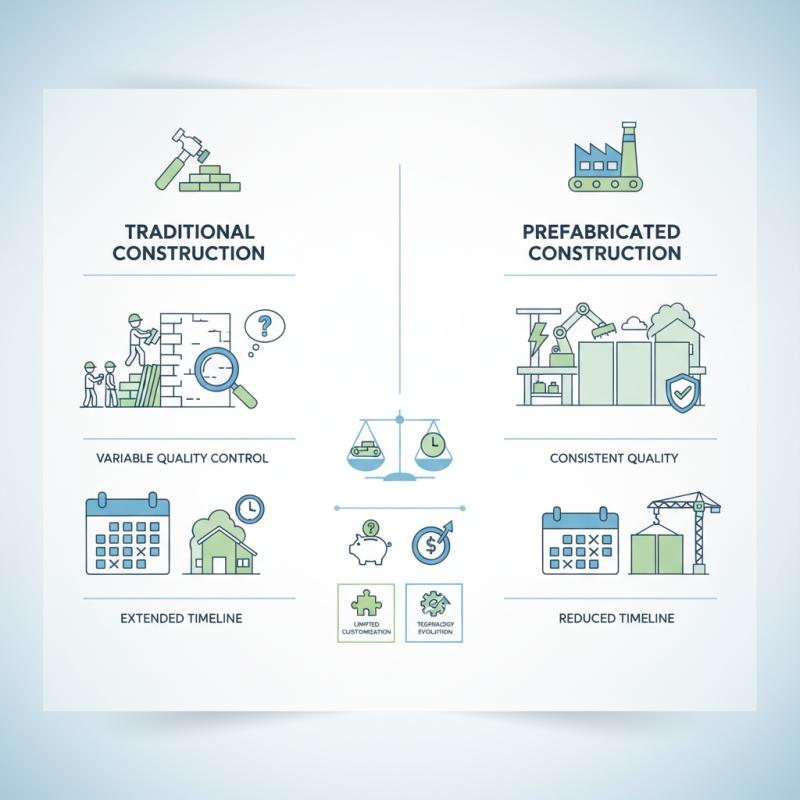
Prefab wall systems are changing the construction landscape. These systems are designed to offer a faster and more efficient building experience. By using prefab wall systems, builders can reduce on-site labor and construction time. Prefabrication allows for better quality control. Each wall is crafted in a factory, ensuring uniformity and precision.

Despite their advantages, prefab wall systems have some limitations. Not all designs can utilize these systems effectively. Customization options may be restricted, making some homeowners hesitant. It's important to weigh the pros and cons before choosing this approach. The initial cost can be higher, yet savings in time often balance this out.

Overall, prefab wall systems represent an innovative shift in construction methods. As technology improves, these systems may evolve further. Understanding how they work can help potential builders make informed decisions. It’s essential to reflect on the best practices for integrating prefab options into new projects.
What is a Prefab Wall System and How Does it Work?

Understanding Prefab Wall Systems: An Overview

Prefab wall systems are gaining popularity in the construction industry. These systems come pre-assembled, reducing on-site labor and time. They typically consist of panels made from materials like wood or metal. This approach allows for faster project completion and potentially lower costs.

When considering prefab walls, it's essential to evaluate your project's needs. Space limitations or design specifications can influence your choice. Tips: Always inspect the panels for quality. Look for imperfections that could affect installation.

It's also crucial to consider the installation process. Proper training is vital for workers to handle these systems effectively. Misalignments can lead to structural issues. Tips: Keep clear communication with all team members. This ensures everyone understands their role during the installation.
Components of a Prefab Wall System

What is a Prefab Wall System and How Does it Work?

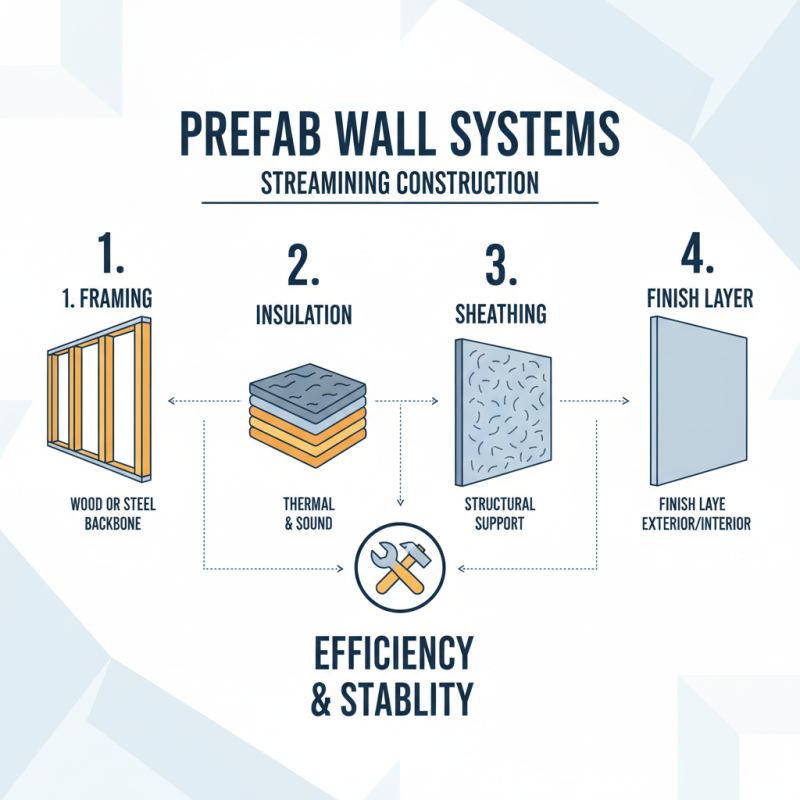
Prefab wall systems are innovative structures that streamline the construction process. They consist of several key components, essential for achieving efficiency and stability. One main part is the framing, typically made of wood or steel. This framing provides the backbone of the wall and is crucial for durability.

Another important component is the insulation. It enhances energy efficiency, keeping buildings warm in winter and cool in summer. The insulation fits snugly within the framing. Sheathing materials, like plywood or OSB, cover the exterior. These materials add strength and protect against weather elements.

Connections are vital as well. They ensure that panels align correctly. However, improper connections can lead to weaknesses. While prefab systems offer many advantages, flaws in design or installation can pose challenges. It's essential to pay attention to every detail during assembly. Small oversights can lead to larger issues down the line. Adjustments and reflections during the building process are necessary for success.

Manufacturing Process of Prefab Wall Panels

Prefab wall panels are becoming a popular choice in construction. The manufacturing process involves several precise steps. First, materials like wood, steel, or concrete are selected. These materials need to meet specific structural and insulation requirements.

Next, these materials are cut to size in a factory setting. This controlled environment ensures consistent quality. Then, skilled workers assemble the panels. They include electrical and plumbing fixtures during this phase. This step can significantly speed up the on-site construction process. However, challenges may arise if measurements are inaccurate or if the materials' quality varies.

Once assembled, the panels undergo rigorous quality control. This process checks for strength and durability. After these checks, panels are usually transported to the construction site. Timing is critical here. Delays in transportation can disrupt the entire project timeline. These intricacies highlight the need for careful planning and execution throughout manufacturing, allowing for both efficiency and sustainability.

What is a Prefab Wall System and How Does it Work? - Manufacturing Process of Prefab Wall Panels

Dimension Description Typical Materials Advantages Common Applications
Thickness The measurement from one surface to the opposite surface of the wall panel. Gypsum, Concrete, Insulation Improved energy efficiency, quicker installation Residential, Commercial buildings
Height The vertical measurement of the wall panel. Polyurethane, Steel framing Reduced labor costs, minimal onsite waste Multi-story buildings, Industrial facilities
Length The horizontal measurement of the wall panel, typically manufactured in standard lengths. Fiber cement, Timber Consistent quality, customizable design options Modular construction, Home building
Weight The mass of the wall panel, affecting transport and handling. Lightweight composites, Reinforced concrete Easier handling and transportation, lower transportation costs Temporary structures, Rapid deployment sites

Advantages of Using Prefab Wall Systems

What is a Prefab Wall System and How Does it Work?

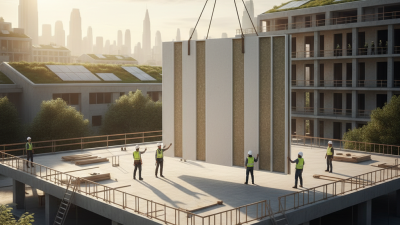
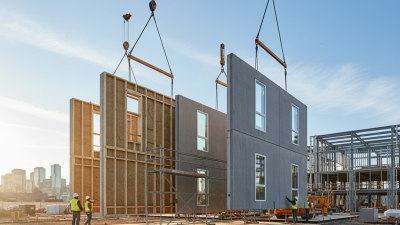
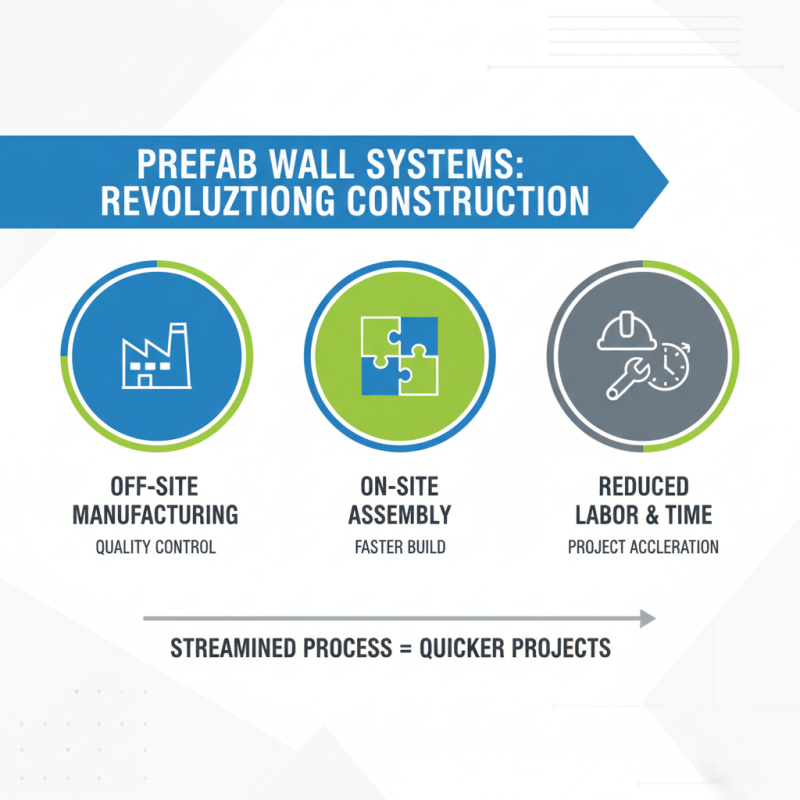
Prefab wall systems are revolutionizing construction. These walls are manufactured off-site and assembled on location. This method streamlines the building process. It minimizes on-site labor and reduces construction time. As a result, projects can start taking shape much faster.

One major advantage of prefab walls is their efficiency. They are often produced in a controlled environment. This leads to fewer defects. As a result, the quality of the walls can be consistently high. Many builders appreciate the reduction in waste. However, it's worth noting that the upfront costs can sometimes be higher. This initial investment may give some pause.

Another noteworthy benefit is energy efficiency. Many prefab wall systems come with insulation pre-installed. This helps in reducing energy consumption later. However, integrating these systems may require specific training for builders. Adjusting to this new method can be challenging. Despite this, the long-term benefits often outweigh the initial hurdles.

Applications in Construction Projects

Prefab wall systems are increasingly popular in construction projects. These systems allow for efficient building, utilizing panels manufactured off-site. They come with several applications, especially in residential and commercial constructions.

One key advantage is their speed. Prefab walls can be erected quickly, reducing overall project timelines. These systems often improve energy efficiency, which is appealing for eco-conscious developers. In urban areas, where space is limited, prefab walls help minimize on-site labor and material waste. However, precision in design and manufacturing is crucial. Any mistakes in measurements can lead to complications during installation.

Despite their benefits, prefab walls are not without challenges. They may require specialized skills for proper assembly. Local building codes can also pose hurdles, with varying regulations across regions. Ensuring compliance can be time-consuming. Developers must weigh these factors when considering prefab systems. Balancing speed, cost, and quality remains a continuous conversation in the industry.

Go to Top