What Are Raised Wall Panels? Benefits, Types, and Installation Tips Explained
Raised wall panels are a popular choice in interior design, adding dimension and style to both residential and commercial spaces. According to industry expert John Smith, "Raised wall panels not only enhance the aesthetic appeal of a room but also improve acoustics and insulation." This versatile design element has been embraced by decorators and homeowners alike, offering a range of benefits that extend beyond mere visual enhancement.
The installation of raised wall panels can transform a plain wall into a striking focal point, providing both traditional and modern options to suit various tastes. With the variety of materials and styles available, it's easy to find raised wall panels that align with any design vision. As more individuals seek to personalize their living and working environments, understanding the types and installation methods of raised wall panels becomes essential for achieving stunning results while maximizing functionality. Whether you are planning a complete renovation or a simple update, exploring the possibilities of raised wall panels opens a world of creative potential.
What Are Raised Wall Panels and Their Historical Significance
Raised wall panels have a rich historical significance that dates back to ancient cultures. Initially used in grand architectural designs, these panels served both decorative and practical purposes. They were commonly found in palaces and churches, creating a sense of grandeur and opulence. The craftsmanship involved in creating raised wall panels often reflected the artistic styles of the time and showcased the skill of artisans. The intricate designs and patterns not only enhanced the aesthetic appeal of interiors but also contributed to the acoustics of large spaces, making them popular in concert halls and auditoriums.
As architectural trends evolved, raised wall panels transitioned from being exclusive to elite structures to becoming a popular choice in residential design. This shift marked a democratization of style, allowing homeowners to incorporate these elegant features into their living spaces. The use of various materials, such as wood, plaster, and even modern composites, contributed to their versatility. Raised wall panels today evoke a sense of history while offering homeowners the opportunity to celebrate craftsmanship in contemporary design, making them a timeless element in interior decor.
The Different Types of Raised Wall Panels Available on the Market
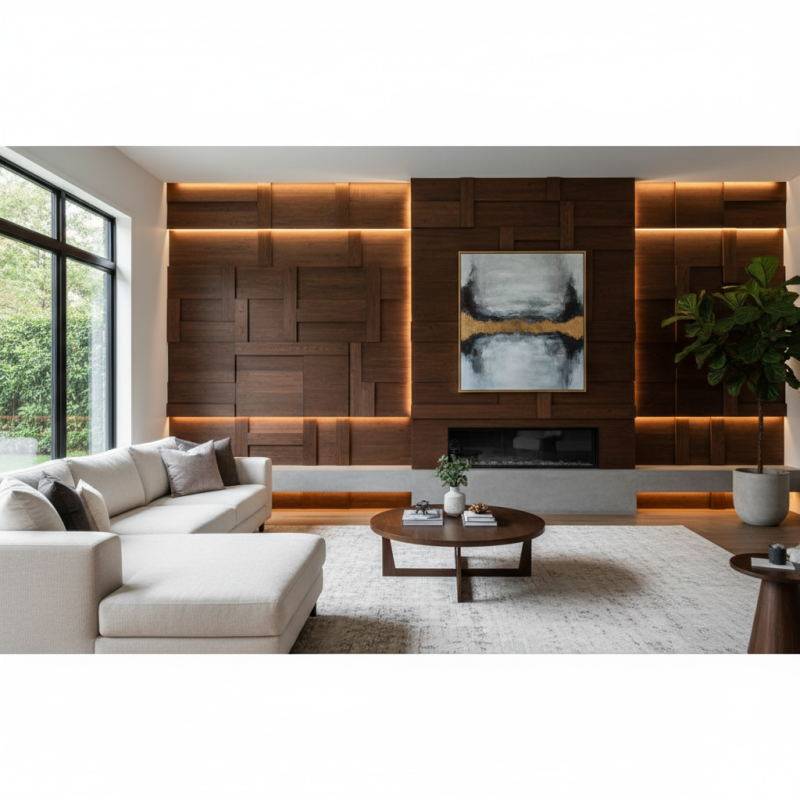
Raised wall panels come in a variety of types, each designed to enhance the aesthetic and functional appeal of interior spaces. One common type is the traditional raised panel, characterized by its three-dimensional design that adds depth and texture to walls. These panels often consist of wood or engineered materials, making them suitable for classic and contemporary decor alike. Their classic look is perfect for creating a timeless appearance in dining rooms, living rooms, or even hallways.
Another popular option is the wainscoting style, which typically extends only partway up the wall and is often accented with a chair rail. This type not only protects the walls from scuffs and damage but also creates a refined look. For those seeking a more modern approach, minimalist raised panels made of materials like PVC or MDF offer clean lines and a contemporary feel. These options often come pre-finished, allowing for quicker installation and maintenance. Each type of raised wall panel serves a unique purpose, allowing homeowners and designers to choose the best fit for their interior design needs.
Key Benefits of Installing Raised Wall Panels in Your Home
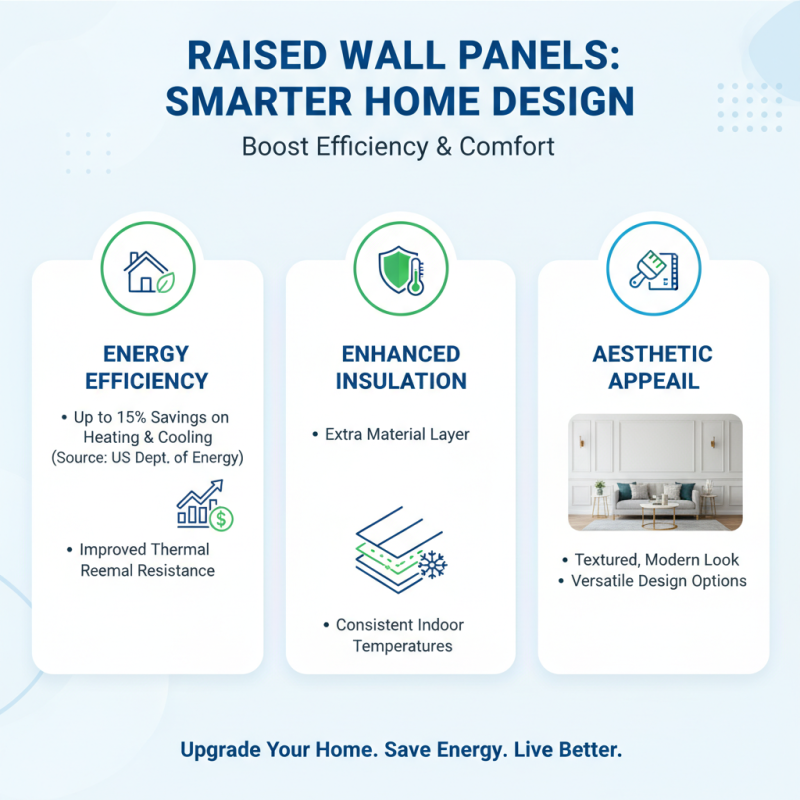
Raised wall panels have become increasingly popular in home design, offering both aesthetic appeal and practical benefits. One of the key advantages of installing raised wall panels is their ability to enhance insulation and energy efficiency. According to a report by the U.S. Department of Energy, well-insulated walls can reduce heating and cooling costs by up to 15%. Raised wall panels, which add an extra layer of material, can improve thermal resistance, making homes more comfortable year-round while lowering energy bills.
Moreover, raised wall panels can significantly increase the resale value of a property. The National Association of Realtors notes that homes with upgraded features, such as decorative wall panels, can see a return on investment of up to 70%. These panels not only elevate the style of interior spaces but also appeal to prospective buyers looking for unique design elements. In addition, the versatility of materials available for raised wall panels allows homeowners to customize their interiors according to their personal tastes, making them an attractive choice for both new construction and renovation projects.
Step-by-Step Guide to Installing Raised Wall Panels Effectively
Installing raised wall panels can significantly elevate the aesthetic of any room, providing a sense of texture and depth to your walls. To begin the installation process effectively, start by measuring the walls where you intend to install the panels. Ensure that you have all the necessary tools and materials at hand, including a level, measuring tape, adhesive, and a saw for cutting panels to size. Mark the positions on the wall for each panel, ensuring that they are evenly spaced and aligned.
Next, prepare the wall surface by cleaning it and filling in any holes or imperfections to create a smooth base for the panels. Begin attaching the panels from one corner, applying adhesive to the back of each panel before pressing it onto the wall. Use the level to make sure each panel is straight. Repeat the process for each panel, allowing proper drying time as recommended in your adhesive instructions. After all panels are in place, finish the look with trim or molding to cover the seams and joints, enhancing the overall appearance of your raised wall panels.
What Are Raised Wall Panels? Benefits, Types, and Installation Tips
| Dimension |
Details |
| Types of Raised Wall Panels |
Wood, MDF, PVC, Polystyrene |
| Benefits |
Aesthetic Appeal, Easy to Clean, Insulation, Soundproofing |
| Installation Tips |
Measure Carefully, Use Quality Adhesives, Ensure Proper Alignment |
| Common Areas for Installation |
Living Rooms, Hallways, Bedrooms, Offices |
| Maintenance |
Regular Dusting, Occasional Touch-Ups, Avoiding Harsh Chemicals |
Maintenance Tips for Keeping Your Raised Wall Panels Looking Great
To maintain the aesthetic appeal and longevity of raised wall panels, regular cleaning and upkeep are essential. Dust and dirt can accumulate on the surface, dulling the appearance of the panels. A soft cloth or a feather duster should be used to gently wipe down the surfaces. For deeper cleaning, a mild soap solution can be employed, ensuring that no harsh chemicals are used that could damage the panel finish. It’s important to wipe the panels dry immediately to prevent any moisture buildup, which could lead to warping or mold growth.
In addition to regular cleaning, periodic inspections should be conducted to identify any signs of wear or damage. Scratches or dents can be addressed with appropriate touch-up paint or filler designed for the panel material. If the panels are made of wood, periodic refinishing may be necessary to keep them looking fresh and to protect them from moisture. Applying a protective sealant can help preserve the panels against environmental factors, ensuring they maintain their beauty over time. By following these maintenance tips, homeowners can keep their raised wall panels in pristine condition, enhancing the overall beauty of their spaces.