Top 10 Tips for Choosing Pre Made Wall Panels for Your Next Project
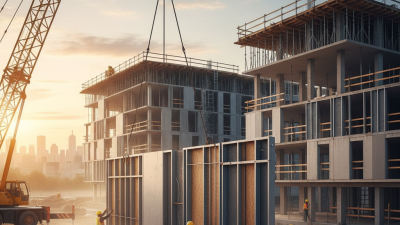
In contemporary construction and design, the adoption of pre made wall panels has gained significant traction due to their efficiency and versatility. According to a recent report by the Allied Market Research, the global prefabricated construction market is projected to reach $504 billion by 2025, driven by the increasing demand for sustainable construction practices and rapid urbanization. Pre made wall panels not only streamline the building process but also offer enhanced quality control and reduced waste, making them an appealing option for both residential and commercial projects.
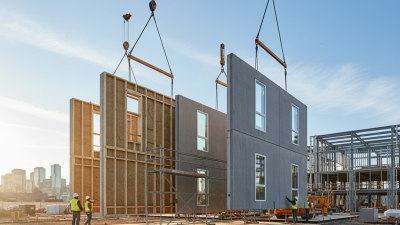
The benefits of utilizing pre made wall panels are manifold. They facilitate faster installation times, which can significantly reduce overall project timelines and labor costs. Additionally, data from the Modular Building Institute indicates that prefabricated solutions can reduce on-site construction time by up to 50%, providing a compelling argument for their use in time-sensitive developments. As the trend moves toward smarter, more efficient building methods, understanding the intricacies of selecting the right pre made wall panels becomes essential for project success, ensuring that builders and architects can maximize both functionality and aesthetic appeal.
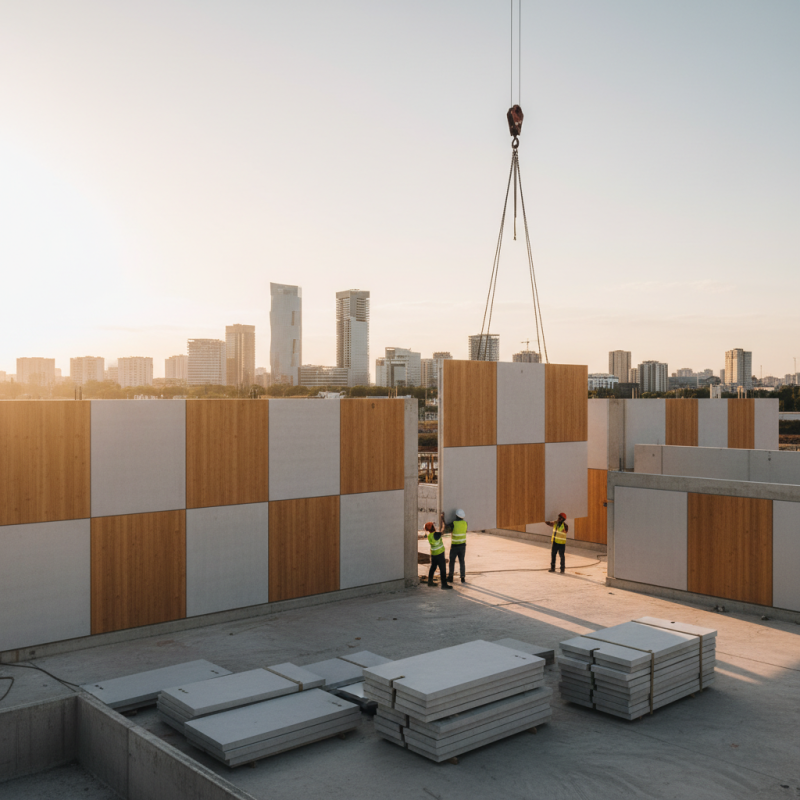
Understanding the Different Types of Pre-Made Wall Panels Available Today
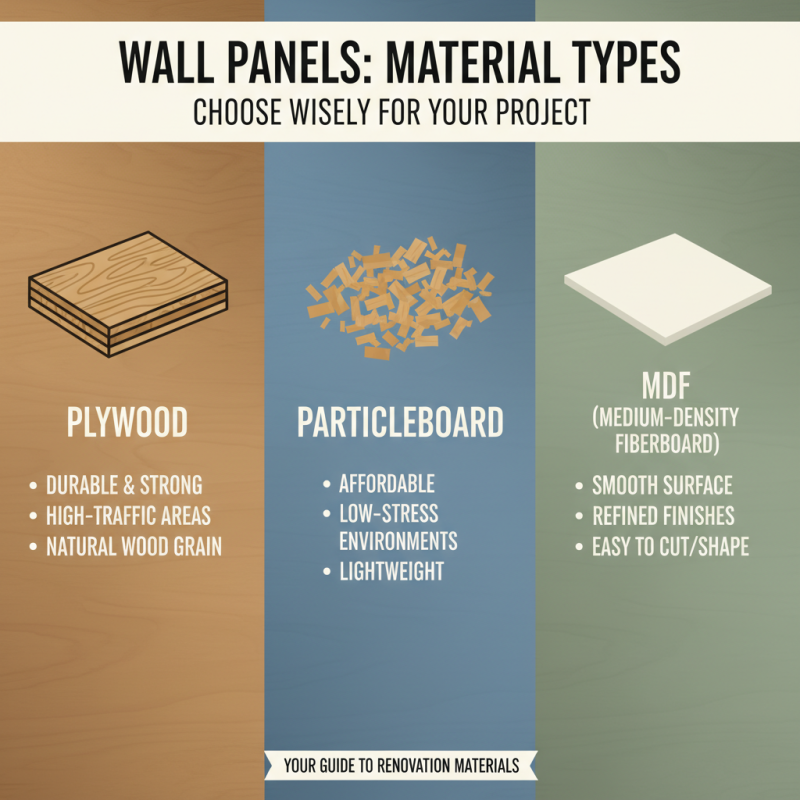
When selecting pre-made wall panels for your next construction or renovation project, it is essential to understand the different types available in the market. The most common materials include plywood, particleboard, and MDF (medium-density fiberboard), each offering unique characteristics that suit various applications. Plywood is known for its durability and strength, making it ideal for high-traffic areas. Particleboard, while generally more affordable, is often used in low-stress environments due to its lighter weight and ease of installation. MDF panels, with their smooth surface, are perfect for projects requiring a refined finish.
In addition to material type, wall panels can also be categorized by their design and functionality. Some panels are specifically engineered for insulation, contributing to energy efficiency in buildings, while others may offer moisture resistance, which is beneficial in bathrooms or kitchens. There are also decorative panels that mimic natural textures or patterns, allowing for aesthetic versatility without compromising on structural integrity. Understanding these distinctions not only helps in making informed choices but also ensures that the selected panels align with both the functional and stylistic goals of your project.
Evaluating the Material Composition for Durability and Insulation Efficiency
When selecting pre-made wall panels for construction or renovation projects, it is crucial to evaluate the material composition as it directly affects both durability and insulation efficiency. According to the Advanced Energy's "2019 Building Envelope Trends" report, approximately 40% of a building's energy consumption is lost due to inadequate insulation and air leakage. Therefore, choosing the right materials is essential for energy-efficient designs. Common materials for wall panels include plywood, MDF, and advanced composite materials, each offering varying levels of thermal performance and structural integrity.
Durability is another critical aspect to consider. A study published in the Journal of Building Physics indicates that wall panels made from high-density polyethylene (HDPE) demonstrate superior resistance to moisture and temperature fluctuations, which can significantly extend the life of the structure. Additionally, evaluated fire ratings and resistance to pests provided by materials such as insulated concrete forms (ICF) enhance both safety and longevity. Understanding the specific attributes of each material helps in making informed decisions that not only align with project requirements but also contribute to long-term sustainability and cost savings.
Assessing Cost-Effectiveness: Budgeting for Pre-Made Wall Panels
When embarking on a new construction or renovation project, assessing the cost-effectiveness of pre-made wall panels is crucial for staying within budget constraints. According to a report by the Building and Construction Authority (BCA), pre-made wall panels can reduce overall project costs by up to 20% when compared to traditional construction methods. This significant savings stems from reduced labor requirements and expedited installation processes, which minimize on-site construction time and associated expenses.
Moreover, the long-term financial benefits of using pre-made wall panels should not be overlooked. A study by the National Association of Home Builders (NAHB) indicates that pre-fabricated wall systems can enhance energy efficiency, leading to an estimated reduction in energy costs by 15-30% annually. This implies that while the initial investment might seem substantial, the return on investment can be substantial over time, as maintenance and utility expenses decrease.
In planning your budget, it’s essential to consider not only the upfront costs but also the potential savings and benefits over the lifespan of the wall panels. Engaging with industry experts and conducting a thorough market analysis can provide insights into the most cost-effective options available, ensuring that your project remains financially viable while achieving the desired aesthetic and functional goals.
Reviewing Aesthetic Options and Customization Capabilities
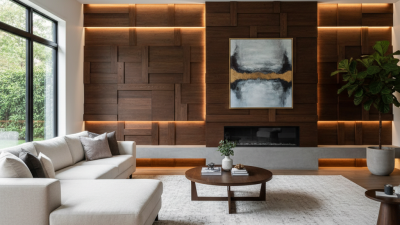
When selecting pre-made wall panels for your project, one of the most vital aspects to consider is the aesthetic options available. These panels come in a wide variety of designs, colors, and textures that can significantly influence the overall feel of your space. Whether you are aiming for a modern minimalist look or a more traditional aesthetic, the right wall panels can enhance the visual appeal of any room. Many manufacturers offer panels that mimic natural materials like wood or stone, providing an elegant touch without the associated maintenance. Choosing a finish that aligns with your design vision can greatly impact the ambiance and style of your project.
Customization capabilities are another important factor to consider when selecting pre-made wall panels. Different projects may require specific dimensions, shapes, or configurations, and many suppliers offer customizable options to meet these unique needs. Whether you are looking for panels that fit unusual spaces or specific personalized designs, customization can help you achieve a harmonious integration into your overall project. This flexibility allows designers and homeowners alike to express their individuality while ensuring that their wall panels not only serve aesthetic purposes but also fit functionally into their layout. The combination of diverse aesthetic choices and customization options makes pre-made wall panels a versatile solution for any renovation or construction project.
Top 10 Tips for Choosing Pre Made Wall Panels for Your Next Project
| Tip Number |
Tip Description |
Aesthetic Options |
Customization Capabilities |
| 1 |
Consider the room's purpose |
Elegant finishes or rustic designs |
Custom sizes available |
| 2 |
Evaluate material durability |
Natural wood, metal, or composites |
Finish and surface treatments |
| 3 |
Think about installation ease |
Sleek, modern looks |
Pre-drilled options |
| 4 |
Match color schemes |
Wide color palette |
Color selection service |
| 5 |
Assess insulation properties |
Eco-friendly materials |
Custom insulation layers |
| 6 |
Check for moisture resistance |
Moisture-resistant textiles |
Specialty coatings available |
| 7 |
Consider acoustic properties |
Sound-absorbing designs |
Custom acoustic treatments |
| 8 |
Factor in fire ratings |
Fire-resistant options |
Custom fireproofing |
| 9 |
Research sustainability |
Recycled materials |
Custom eco-label certifications |
| 10 |
Plan for maintenance needs |
Low-maintenance surfaces |
Customization for easy cleaning |
Analyzing Energy Efficiency Ratings and Their Long-Term Benefits
When selecting pre-made wall panels for your next project, understanding energy efficiency ratings is crucial. These ratings provide insight into how well the panels will perform in terms of insulation and heat retention, ultimately affecting your project's long-term energy costs. By choosing panels with higher efficiency ratings, you can reduce heating and cooling expenses, contributing to a more sustainable environment. Look for panels that meet or exceed local energy standards, as these will provide better comfort levels and may even qualify for incentives.
One tip to consider when choosing wall panels is to prioritize materials with proven thermal performance. Many modern panels are designed with advanced insulation technologies that can significantly decrease energy loss. This not only enhances comfort but also prolongs the lifespan of your HVAC system, reducing maintenance needs and extending equipment longevity.
Additionally, consider the long-term benefits of your wall panels. While some may have a lower upfront cost, those with higher energy efficiency ratings could save you money over time. Investing in better insulation can lead to lower energy bills and potentially increase the overall value of your property. Therefore, think beyond initial costs and evaluate how your choices today will impact your financial footprint in the future.