Ultimate Tips for Choosing Prefabricated Wall Panels for Your Project?
When it comes to construction, choosing the right materials can make all the difference. Prefabricated wall panels have gained popularity for their efficiency and versatility. According to industry expert Dr. Emily Carter, “The right choice in prefabricated wall panels can transform a project’s timeline and budget.”
Selecting the ideal prefabricated wall panels involves careful consideration of various factors. Substantial knowledge of materials and their applications is essential. It’s not just about cost; understanding the structural integrity, insulation properties, and aesthetic appeal is vital. Manufacturing quality can vary widely, and early mistakes can lead to significant delays and expenses.
As projects progress, unforeseen challenges often arise. Choosing the wrong type of prefabricated wall panels might compromise a design or lead to safety issues. Examining detailed specifications and seeking professional input can help avoid such pitfalls. Ultimately, every decision should enhance the project's integrity and functionality, ensuring long-term satisfaction.
Understanding Prefabricated Wall Panels: Key Concepts and Benefits
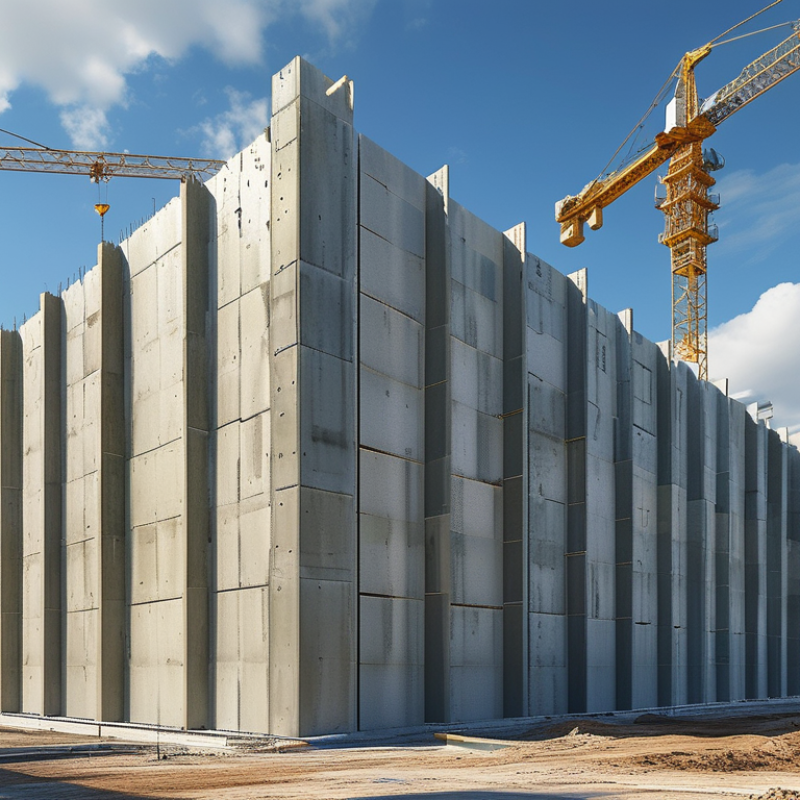
Prefabricated wall panels are a game-changer in modern construction. They offer efficiency and durability, which is essential for any project. These panels can be made of various materials, including wood, metal, and concrete. Each type has distinct advantages based on the project’s needs. For instance, concrete panels provide excellent insulation and fire resistance. Wood panels, on the other hand, are often lighter and easier to work with.
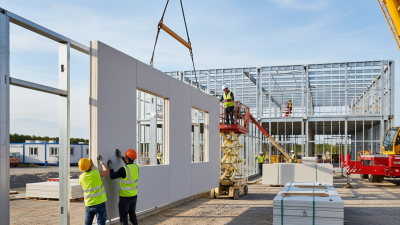
One key benefit is the time saved in construction. Prefabricated panels are manufactured off-site. This process reduces delays and allows for faster assembly on-site. High-quality production standards ensure the panels meet structural requirements. However, it's crucial to choose a reliable supplier to maintain these standards. Sometimes, low-cost options risk quality, which can lead to future problems.
Investing in prefabricated wall panels also means less waste. These products are designed with precision, minimizing excess material. Still, it's important to consider the specific needs of your project and potential challenges. Understanding zoning laws and environmental regulations is essential. Each project is unique and requires careful planning to maximize benefits.
Factors to Consider When Choosing Prefabricated Wall Panels
When choosing prefabricated wall panels for your project, consider a few key factors. The material type is crucial. Options like wood, steel, and concrete each come with unique benefits. Wood is lightweight and sustainable, while concrete offers strength and durability. Assess your project's specific needs before making a decision.
Another important aspect is insulation. Effective insulation enhances energy efficiency. Check the insulation values of the panels. Poor insulation can lead to higher energy costs. Additionally, consider the panel size and design. Custom sizes may fit your project better but could increase costs. Be mindful of any potential waste during installation.
Installation time is another factor to reflect on. Prefabricated panels can streamline construction schedules. However, complications may arise if the site conditions are not ideal. Ensure your installers are experienced with prefabricated systems. Poor installation can lead to long-term issues, such as water intrusion. Take time to evaluate each aspect carefully. Making informed decisions is always beneficial.
Types of Prefabricated Wall Panels: An Overview of Options
When selecting prefabricated wall panels, understanding the various types available is essential. There are several options, each with unique benefits. Structural insulated panels (SIPs) are well-known for their energy efficiency. According to the U.S. Department of Energy, they can outperform traditional framing by providing superior insulation. This results in lower energy costs over time.
Another option is precast concrete panels, which are favored for their durability. A report from the Precast/Prestressed Concrete Institute indicates that these panels can withstand significant weather conditions, enhancing a building's lifespan. Additionally, they offer design flexibility. Architects favor these due to their aesthetic appeal and customizable shapes.
Lightweight vinyl panels are another choice. They are easier to handle and install, saving labor costs. However, their insulation properties are often less robust compared to SIPs and precast panels. It is vital to consider the project's specific needs, as selecting an inappropriate type can affect both performance and costs. Balancing these factors while recognizing the limitations of each panel type is crucial for success.
Assessing Structural Integrity and Durability of Wall Panels
When choosing prefabricated wall panels, assessing their structural integrity and durability is crucial. Look for panels constructed from high-quality materials that can withstand environmental stresses. A thorough inspection can reveal hidden flaws that may compromise performance over time. Consider factors like thermal insulation, moisture resistance, and how well the panels handle weight. These characteristics significantly affect the panel's longevity.
Another essential aspect is understanding how the wall panels will perform under different conditions. For example, panels exposed to extreme temperatures or heavy precipitation need to be exceptionally durable. Consider conducting some tests on material samples before making a final decision. Some panels may look strong but could fail in real-world applications, highlighting the need for due diligence.
Finally, consulting with experienced builders or structural engineers can provide valuable insights. Their perspectives on different materials can inform your choices. Remember, not all prefabricated wall panels are created equal. Take the time to ensure that your selections will meet the demands of your specific project.
Cost Analysis and Budgeting for Prefabricated Wall Panels Selection
When considering prefabricated wall panels for your project, cost analysis is crucial. Start by estimating total expenses, including materials and installation. Investigate different panel types, as costs can vary significantly. For example, structural insulated panels often cost more upfront, but they may reduce energy expenses later. Understanding these trade-offs is essential for smart budgeting.
Next, evaluate the long-term financial implications. Cheaper panels may save money today but could lead to higher maintenance costs in the future. It's wise to balance initial savings with potential future expenses. Also, consider labor costs. Some panels are easier to install, which can reduce labor time and expense.
Lastly, don't overlook hidden costs. Transport and waste disposal can add up quickly. Collaborating with experienced professionals can provide insights into realistic pricing. This guidance helps navigate the complexities of prefabricated systems. A comprehensive cost analysis ensures you make informed decisions for your project's success.