Top 10 Benefits of Using Prefab Wall Panels in Construction?
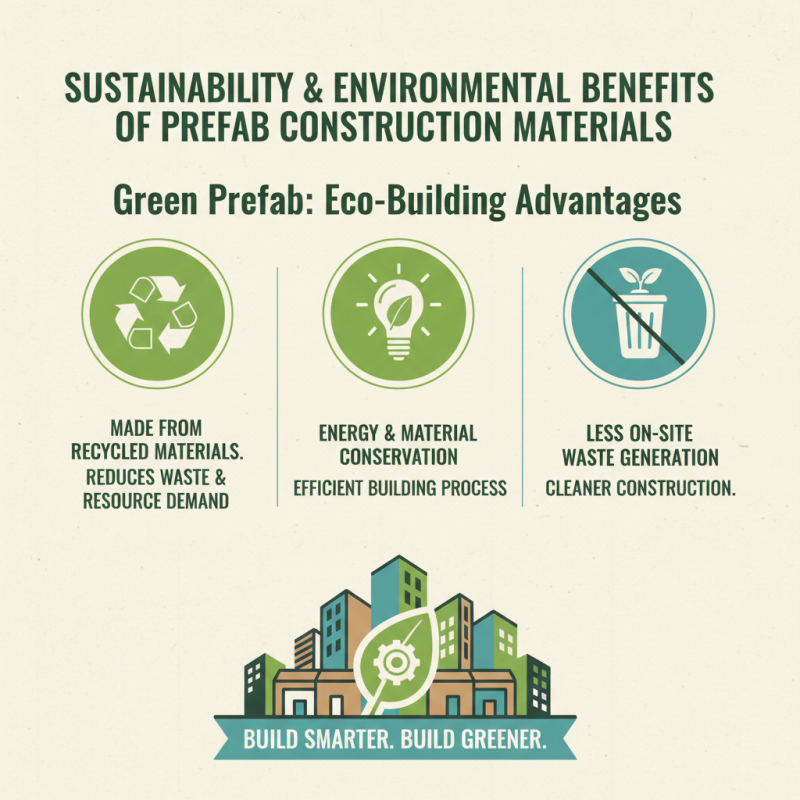
In recent years, prefab wall panels have gained popularity in the construction industry. These innovative building materials offer numerous advantages over traditional methods. They can significantly reduce construction time, which is essential in today’s fast-paced world. Using prefab wall panels also minimizes waste, making the process more sustainable.
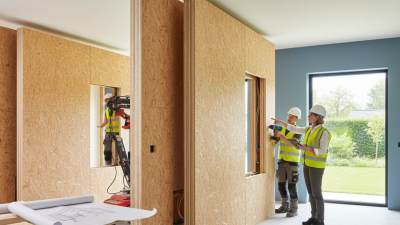
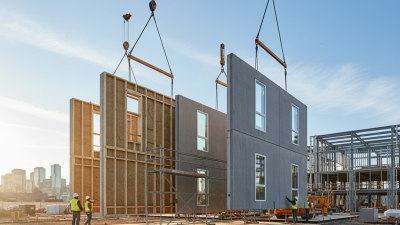
Imagine a bustling construction site where workers assemble these panels off-site. Each panel is manufactured with precision to fit specific dimensions. This level of accuracy reduces errors and rework. By integrating technology and design, prefab wall panels create a more efficient workflow.
However, not everything is perfect. Some workers may feel uncertain about using new materials. This resistance can slow down adoption rates. Additionally, there might be a learning curve for crews unfamiliar with prefab systems. Understanding these challenges is crucial. It's important to reflect on how these barriers can be overcome for the greater benefit of the industry.
Advantages of Prefab Wall Panels for Fast-Track Construction Projects
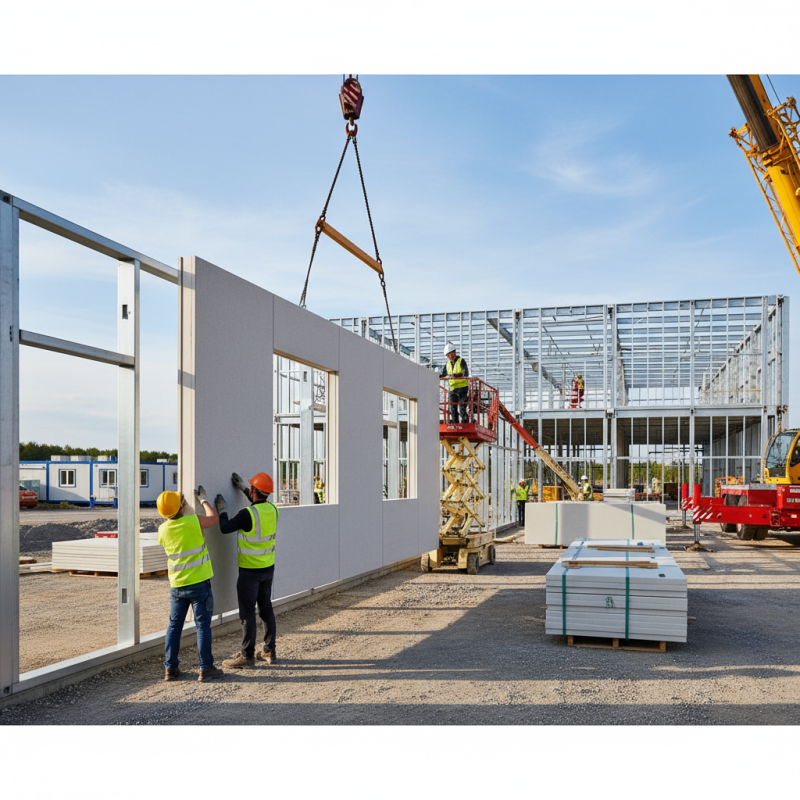
Prefab wall panels are transforming construction projects. These panels are manufactured off-site, speeding up the building process. This method drastically reduces construction time.
Fast-track projects benefit greatly from this efficiency.
Using prefab panels also minimizes on-site labor. Workers can focus on installation rather than manufacturing. This shift can lead to fewer accidents. Yet, not all projects are suitable for prefabrication.
The initial planning must be precise. Poor planning could result in misalignment and costly adjustments.
Another advantage is improved quality control. Factory settings allow for better inspection and consistency. However, it requires skilled workers to ensure everything fits perfectly. There's a risk of complacency if quality checks are neglected.
The benefits are compelling, but the challenges are worth considering. Fast-track projects might gain speed, but quality must never be sacrificed.
Cost-Effectiveness: How Prefab Wall Panels Reduce Overall Construction Budgets
Prefab wall panels are transforming the construction industry. One key benefit is cost-effectiveness. These panels can significantly reduce labor costs. Workers spend less time on site, leading to quicker project completion. Prefabrication allows for precise manufacturing, minimizing material waste. This efficiency translates into savings for builders and developers.
Moreover, prefab wall panels often use standardized materials. This means bulk purchasing, which can lower expenses. However, some may argue that initial investments are higher. The upfront cost can deter some builders. Yet, the long-term gains from reduced labor and material waste often outweigh these concerns.
In addition, projects become more predictable. With prefab materials, timelines are easier to manage. Delays due to weather or labor shortages can be less common. However, relying on a factory for production might introduce its own complications. Supply chain issues can emerge, needing careful consideration. While prefab wall panels offer clear financial benefits, they also require thoughtful planning to avoid potential pitfalls.
Top 10 Benefits of Using Prefab Wall Panels in Construction
| Benefit |
Description |
Cost Reduction (%) |
Construction Time Savings (Days) |
| Speed of Construction |
Prefab wall panels are manufactured off-site, significantly reducing on-site construction time. |
20% |
30 |
| Labor Costs |
Less on-site labor is required, leading to reduced labor costs throughout the project. |
15% |
20 |
| Quality Control |
Off-site manufacturing allows for better quality assurance and control standards. |
10% |
N/A |
| Reduced Waste |
Prefabrication techniques lead to less material waste during construction. |
25% |
N/A |
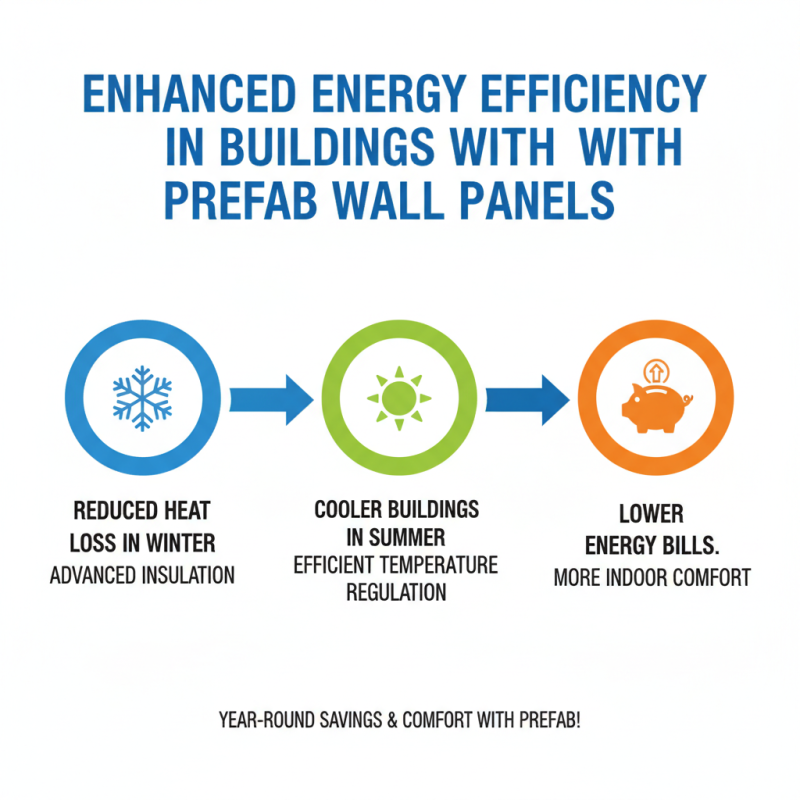
| Energy Efficiency |
Enhanced insulation properties of prefab panels improve overall energy efficiency in buildings. |
5% |
N/A |
| Design Flexibility |
Prefab walls can be customized to fit unique design requirements easily. |
10% |
15 |
| Safety |
Safer working conditions are provided due to reduced on-site activity. |
No specific percentage |
N/A |
| Reduced Project Delays |
Predictable manufacturing schedules can minimize delays often caused by weather or labor shortages. |
20% |
10 |
| Sustainability |
Using eco-friendly materials in prefab panels promotes sustainability in construction. |
15% |
N/A |
| Aesthetic Versatility |
Prefab wall panels can be designed to match different architectural styles. |
5% |
N/A |
Improved Quality Control Through Factory Fabrication of Wall Panels
The factory fabrication of wall panels significantly enhances quality control.
In a controlled environment, materials are less exposed to weather and environmental factors. This leads to a more consistent and reliable construction product. Each panel is produced using precise measurements and techniques. This accuracy minimizes waste and reduces errors.
Using prefab wall panels can streamline the construction process. However, the key lies in proper planning and coordination. Miscommunication between factory and site can lead to delays. Panels must fit perfectly upon arrival at the construction site. Any mismatch can cause rework, impacting timelines and budgets.
Investing in quality control practices is vital. Regular inspections during fabrication can help identify issues early. Even minor flaws can lead to significant problems on-site. Maintaining a feedback loop between the factory and construction team is essential for improving processes.
Quality control not only saves time but also enhances overall project outcomes.