Top Decorative Trusses for Your Home Design Needs?
When it comes to enhancing your home, decorative trusses serve as a stunning focal point. Experts in the field, like John Smith, a renowned architect, appreciate their aesthetic value. He once stated, “Decorative trusses transform ordinary spaces into extraordinary works of art.” This highlights the potential impact of these architectural elements.
Decorative trusses can elevate both traditional and modern styles. They create a sense of grandeur, drawing the eye upward. The use of wood or metal offers options for any homeowner. It’s essential to choose the right material and design. Think about your interior style before making a decision.
However, many overlook the importance of scale and proportion. An oversized truss can overwhelm a small room, while a tiny truss might get lost in spacious areas. Every detail matters. Consider working with a professional to get it right. With the right decorative trusses, your home can reflect your unique taste and personality beautifully.
Popular Types of Decorative Trusses for Home Interiors
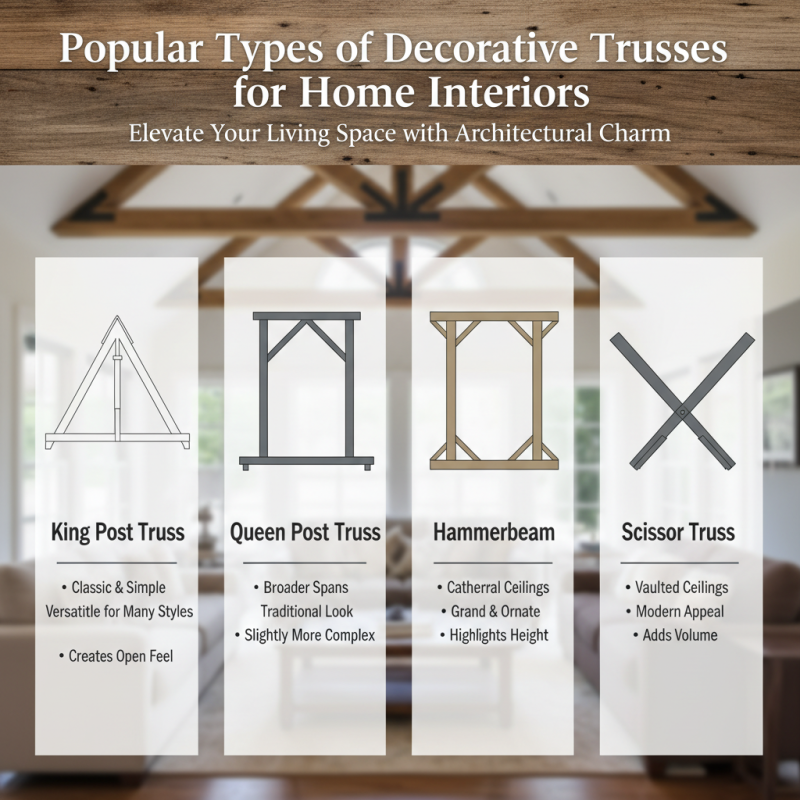
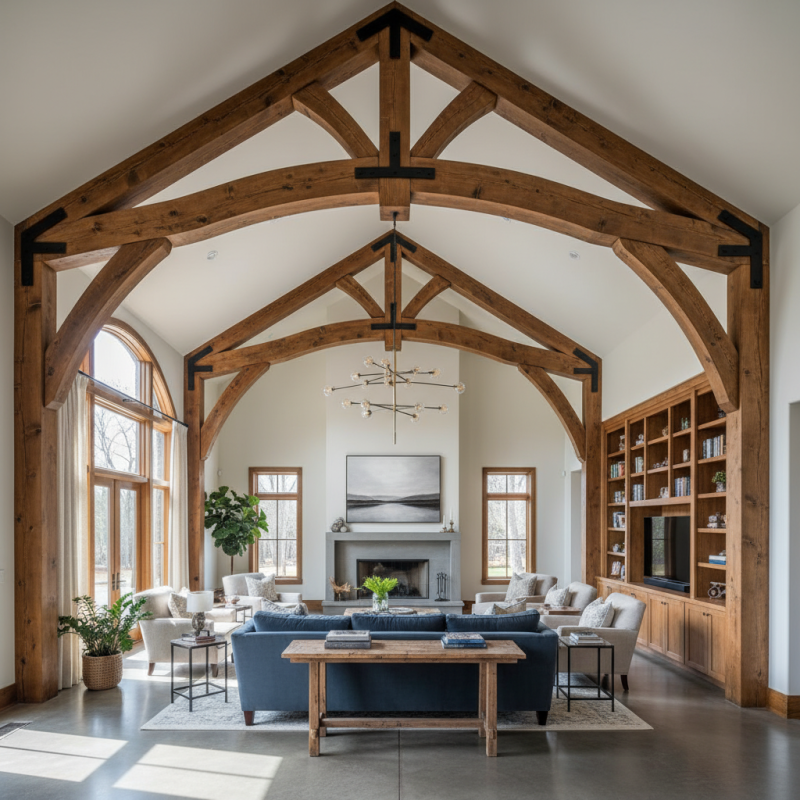
Decorative trusses are a stunning addition to any home interior. They bring character and depth to ceilings, serving as both a structural and aesthetic element. There are several popular types of trusses that can elevate your living space, each with its unique charm.
One common type is the king post truss. This style features a vertical post at the center, supporting two diagonal beams. It’s often used in rustic or traditional designs, creating a warm, inviting atmosphere. Then there’s the queen post truss. This variant has two vertical posts and provides a wider span between supports. It works well in larger spaces, like open-concept living areas.
Another interesting option is the curved truss. These trusses add a dynamic element to ceilings, softening linear designs. They are perfect for contemporary homes, offering a unique visual appeal. It’s worth noting that choosing the right truss varies based on your home's style and structural needs. Balancing aesthetics with function can be challenging but rewarding. Ultimately, the truss you select should resonate with your overall design vision.
Choosing the Right Material for Your Decorative Trusses
Choosing the right material for your decorative trusses can transform your home design.
Wood, metal, and fiberglass are popular choices. Each material offers unique benefits and aesthetics.
Wood provides warmth and charm. Metal delivers a sleek, modern look. Fiberglass combines durability with style.
Tips: Consider the climate where you live. Humidity can warp wood. Metal might rust in wet areas. Assess the overall style of your home. Rustic homes suit wooden trusses. Modern designs benefit from metal.
Take time to visualize how each material will blend with your decor. This step can be overlooked yet is crucial.
Each choice should reflect your personal style while enhancing your space. Remember, some materials may require more maintenance.
Weigh the pros and cons carefully before deciding.
Design Ideas for Integrating Trusses into Your Home Aesthetic
Integrating decorative trusses into your home design can significantly enhance its aesthetic appeal. Trusses, often made from wood or metal, provide both structural support and a design element. Statistics from the National Association of Home Builders reveal that homes with exposed beams or trusses sell for an average of 10% more than those without. This increase underscores the importance of aesthetic choices in home design.
When considering design ideas, think about the style of your home. In modern spaces, sleek metal trusses can add an industrial touch. Alternatively, rustic wooden trusses work well in farmhouse or traditional designs. A survey by the American Institute of Architects indicates that over 60% of homeowners prefer a mix of modern and traditional elements. This trend suggests that the integration of trusses should reflect personal style while remaining functional.
Unfortunately, many homeowners overlook the potential of trusses. They may focus on other elements, such as paint or furniture. This can lead to missed opportunities. Thoughtful placement of decorative trusses can transform ceilings and open spaces. The right truss design not only draws the eye upward but also creates a sense of depth. Experimenting with different designs may require trial and error, yet this creative process can lead to stunning results.
Top Decorative Trusses for Your Home Design Needs
| Truss Type |
Material |
Style |
Ideal Space |
Color Options |
| King Post Truss |
Wood |
Traditional |
Living Room |
Natural Wood, Stained |
| Queen Post Truss |
Metal |
Modern |
Open Space |
Black, Silver |
| Scissor Truss |
Wood and Steel |
Contemporary |
Dining Area |
White, Grey |
| Arched Truss |
Vinyl |
Rustic |
Patio |
Brown, Beige |
| Flat Truss |
Wood |
Minimalist |
Bedroom |
Pastels |
Maintenance Tips for Decorative Trusses in Home Design
Decorative trusses can enhance your home’s design. However, maintenance is key to longevity. According to a report by the American Institute of Timber Construction, proper upkeep can extend the life of these structures significantly. Regular inspections are essential. Look for signs of wear, such as cracks or discoloration. Addressing issues early can prevent costly repairs.
Cleaning decorative trusses should be done periodically. Use a soft brush or cloth to remove dust and debris. Avoid harsh chemicals, as they can damage the finish. Experts recommend checking for moisture accumulation. High humidity can lead to mold growth, undermining both structural integrity and aesthetics. Investing in a dehumidifier can mitigate this risk.
Surface treatments also require attention. Many homeowners overlook the need for refinishing wood trusses. A quality sealant can protect against water damage. A recent survey revealed that 40% of homeowners don’t apply protective coatings regularly. This neglect can lead to rot or pests. It's crucial to make maintenance a priority for your trusses, ensuring they remain a focal point of your design.
Top Decorative Trusses for Your Home Design Needs
This chart displays the popularity of various types of decorative trusses based on survey responses. Wooden trusses are the most favored option, highlighting their classic appeal in home design.
DIY vs. Professional Installation of Decorative Trusses
When considering decorative trusses for your home, the installation method is crucial. Many homeowners face the choice between DIY or hiring a professional. DIY installation can save money, but it often leads to challenges. Precision is key when dealing with structural elements. A single miscalculation can result in costly issues later.
Professional installation offers expertise and reliability. Truss installation requires specific skills and tools. Professionals understand building codes and safety standards. They ensure everything is aligned and secure. However, hiring experts can strain your budget. Deciding whether to invest in professional help depends on your comfort level with tools and construction.
Some DIY enthusiasts feel confident in their abilities. They find satisfaction in hands-on work. Yet, others may find the process overwhelming. It's essential to weigh the pros and cons. Consider your experience, the complexity of the project, and your budget. In the end, the right choice enhances your home's beauty while ensuring safety and durability.