2026 Top Trends in Timber Trusses for Sustainable Construction?
As the demand for sustainable construction rises, timber trusses emerge as a key player in modern building design. These structures not only boast aesthetic appeal but also contribute to eco-friendly initiatives. Timber trusses utilize renewable resources, making them a sustainable choice for construction.
Recent trends reveal innovative uses of timber trusses. Designers are exploring different shapes and sizes. This creativity can lead to unique architectural solutions. Beyond functionality, timber trusses create a warm, inviting atmosphere in spaces. Yet, challenges exist. Selecting sustainable timber suppliers remains crucial. The quality of materials directly affects longevity and safety.
The future of timber trusses will likely see increased integration of technology. Innovations in treatment processes could enhance durability and performance. There is a growing interest in combining timber with other materials. This hybrid approach offers even more design possibilities. It prompts us to reflect on our current practices and explore new paths. Timber trusses are not just a trend; they represent an evolving commitment to sustainability in construction.

Innovative Wood Species for Sustainable Timber Trusses in 2026
In 2026, the focus on sustainable construction drives innovation in timber trusses. Certain wood species are gaining attention for their sustainability and performance. For example, engineered bamboo is becoming popular. This material grows quickly and has high strength. It can be a great alternative to traditional hardwoods. According to a recent industry report, bamboo can sequester up to 30% more carbon than comparable timber species over its lifespan.
Another exciting development involves reclaimed wood. This timber is sourced from old buildings and furniture. It significantly reduces the demand for new timber harvesting. Reclaimed wood not only adds character but also lessens environmental impact. A survey shows that projects using reclaimed wood have seen a 20% decrease in carbon footprint. However, the challenge lies in the consistency of quality. Not all reclaimed wood meets the high standards needed for modern construction.
**Tip:** When selecting materials, consider their lifecycle impact. Evaluate not just the sourcing process but also the end-of-life possibilities.
More innovative wood species are being explored, like thermal-modified timber. This method enhances durability and resistance to moisture. Nonetheless, the long-term effects of thermal modification on wood properties need further research. It's essential to strike a balance between innovation and reliability in timber trusses.
**Tip:** Stay updated on new material research. It could lead to more sustainable choices for your projects.
Advancements in Prefabrication Techniques for Timber Trusses
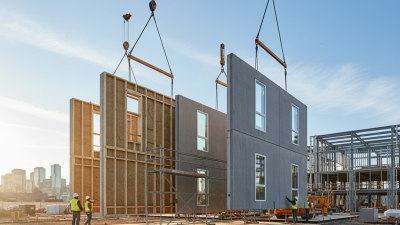
The rise of prefabrication techniques for timber trusses is changing the way we approach sustainable construction. These methods allow for off-site assembly, reducing waste and construction time. Prefabricated timber trusses can be designed to fit specific building needs, ensuring efficient use of materials.
This approach has its challenges. For instance, transporting large trusses can be complicated. However, when executed properly, it can significantly lower the carbon footprint of a project. Many construction teams are now exploring versatile designs to enhance the efficiency of prefabricated systems.
Manufacturers are also experimenting with new joining methods. These innovations can boost structural performance while maintaining aesthetic appeal. There’s potential for improved energy efficiency as well. Yet, the industry must grapple with ensuring quality control during production. Balancing speed and precision remains a critical concern.
Design Trends Emphasizing Aesthetic and Structural Benefits of Timber
Timber trusses are becoming a cornerstone of sustainable construction. Their aesthetic appeal and structural strength work together beautifully. In 2026, the trend emphasizes not just utility but also design. Architects are exploring organic shapes and natural finishes. This evolution allows spaces to feel warmer and more inviting.
Tips for incorporating timber trusses include considering local wood sources. Sustainable sourcing reduces transportation emissions. Choose finishes that enhance wood grain and highlight texture. Simple finishes can maintain the natural beauty of timber.
Another aspect is the balance between innovation and tradition. Modern designs often blend old techniques with new technologies. This can lead to unique structures, but it’s vital to reflect on craftsmanship. Quality over quantity should be at the forefront. Mistakes in execution can diminish the intended aesthetic.
Utilizing timber can create an eco-friendly atmosphere in any building. The warmth of wood provides visual comfort. However, each design choice should be carefully considered. Reflecting on the sustainability of materials can lead to a more meaningful outcome.
Integration of Smart Technologies in Timber Truss Construction
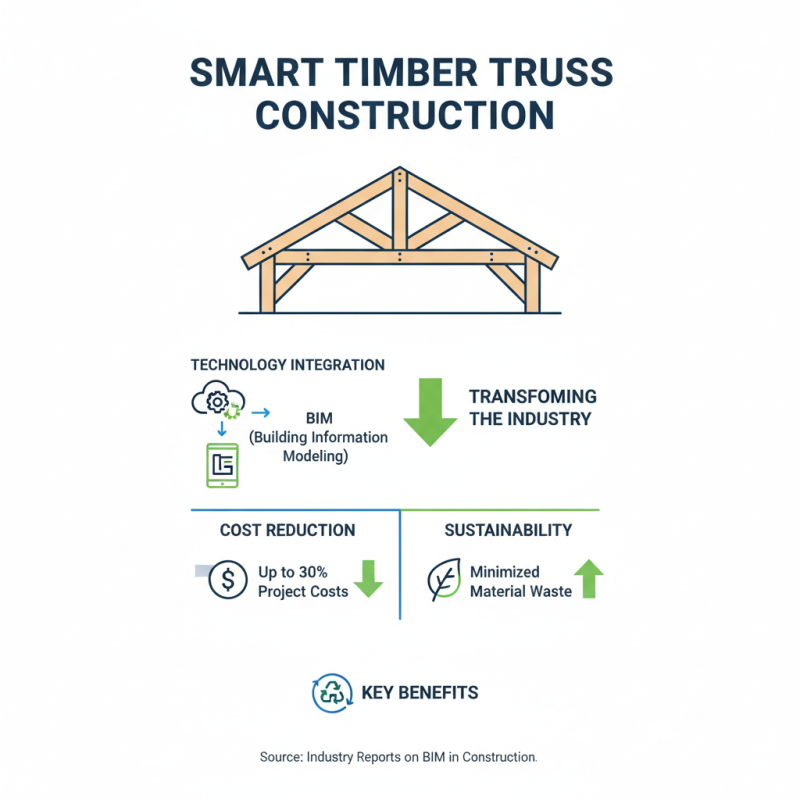
The integration of smart technologies in timber truss construction is transforming the industry. In recent years, the use of Building Information Modeling (BIM) has gained traction. Reports show that BIM can reduce project costs by up to 30% while minimizing material waste. This is crucial for sustainable construction practices.
Wi-Fi enabled sensors are another game-changer. These devices monitor moisture levels and structural integrity in real-time. Data from the American Wood Council suggests that such technology can extend the lifespan of timber structures by 20%. However, the initial investment can deter some companies. Not all builders are ready to embrace this shift.
Moreover, there are challenges in data management. As technologies advance, understanding and utilizing data becomes complex. Misinterpretation can lead to inadequate responses to structural needs. Professionals must adapt and learn continuously to fully benefit from these innovations. The path ahead is filled with promise, but also hurdles requiring careful navigation.
Environmental Impact Considerations in Timber Truss Sustainability
Timber trusses have gained popularity in sustainable construction due to their eco-friendly characteristics. These structures are often made from renewable resources. Timber is a carbon sink, meaning it absorbs CO2 from the atmosphere. This helps to mitigate climate change, but the source of the wood is crucial. Unsustainable logging practices can negate these benefits.
Selecting timber from responsibly managed forests is vital. It ensures minimal impact on biodiversity and local ecosystems. However, the availability of certified timber can be limited. Often, builders may opt for cheaper, non-certified options. This is a critical issue that needs addressing. It raises questions about the environmental ethics of our choices.
Moreover, using timber trusses can reduce the carbon footprint of a building. They are lightweight and require less energy to transport. Despite these advantages, the timber's life cycle must be considered. The durability and end-of-life impact of timber structures often lead to complex decisions. Striking a balance between performance and sustainability remains a challenge.
2026 Top Trends in Timber Trusses for Sustainable Construction
| Trend |
Description |
Environmental Impact |
Percentage Adoption (Predicted) |
| Cross-Laminated Timber (CLT) |
Use of layered timber boards to enhance strength and stability. |
Reduces carbon footprint by utilizing less energy than steel and concrete. |
35% |
| Modular Timber Construction |
Prefabricated timber trusses leading to faster assembly on-site. |
Less waste produced and reduced transportation emissions. |
50% |
| Eco-Friendly Treatments |
Use of non-toxic finishes and preservatives for timber. |
Minimizes harmful chemical release into the environment. |
40% |
| Smart Timber Technology |
Integration of IoT for better monitoring and management of wooden structures. |
Optimizes energy usage and helps in structural health monitoring. |
20% |
| Sourced from Sustainable Forests |
Timber harvested from certified sustainable forests. |
Contributes to biodiversity and minimization of deforestation. |
60% |