How to Use Prefabricated Interior Wall Panels for Efficient Home Design
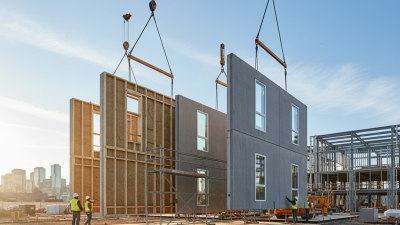
As the demand for innovative and efficient home design continues to rise, the incorporation of prefabricated interior wall panels has emerged as a transformative solution in the construction industry. These panels not only streamline the building process but also offer significant advantages in terms of energy efficiency and sustainability. According to a report from the National Institute of Standards and Technology (NIST), the use of prefabricated systems can reduce construction waste by up to 60% compared to traditional building methods.
Expert in modular construction, Dr. Rachel Smith, emphasizes the benefits of these materials, stating, "Prefabricated interior wall panels are revolutionizing how we think about building spaces, making them faster to construct and more adaptable to modern living." By facilitating quicker installation and reducing labor costs, these panels are becoming increasingly popular among architects and builders striving for both efficiency and quality in residential design.
Moreover, the versatility of prefabricated interior wall panels allows for customized solutions that meet diverse aesthetic and functional needs, enabling homeowners to achieve their visions without being limited by conventional construction methods. As we delve into the practical applications and advantages of prefabricated interior wall panels, it becomes clear that this innovation is not just a trend, but a vital element in shaping the future of home design.
Benefits of Prefabricated Interior Wall Panels in Home Design
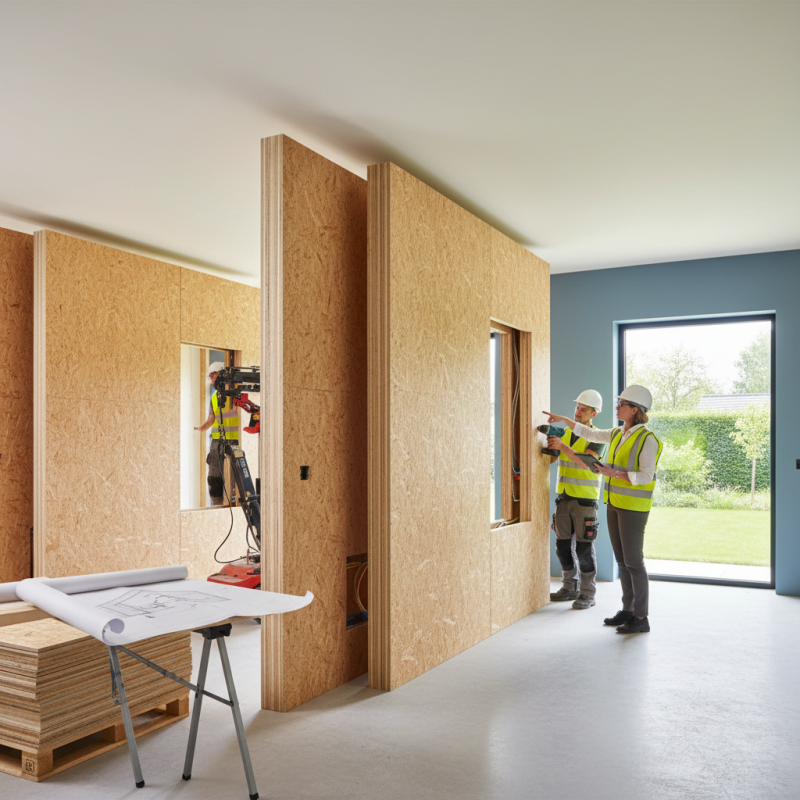
Prefabricated interior wall panels are becoming increasingly popular in home design due to their significant advantages over traditional methods. One of the key benefits is the time efficiency they offer; studies indicate that using prefabricated panels can reduce construction time by up to 30%. This accelerated timeline benefits both contractors and homeowners, enabling quicker project delivery and minimizing the disruption often associated with renovation or new construction.
In addition to time savings, these panels contribute substantially to cost efficiency. According to a report published by the National Institute of Building Sciences, prefabricated components can decrease overall project costs by approximately 10-15%. This reduction is largely attributed to less waste generated during the construction process and the streamlined labor requirements. Furthermore, prefabricated panels often enhance energy efficiency in buildings. Many products are designed with insulating materials that surpass traditional wall constructions, leading to lower energy consumption and a reduction in utility bills over time. As sustainability becomes a focal point in modern architecture, prefabricated interior wall panels present an effective solution for homeowners looking to incorporate eco-friendly practices into their design.
Benefits of Prefabricated Interior Wall Panels in Home Design
Types of Prefabricated Interior Wall Panels Available on the Market
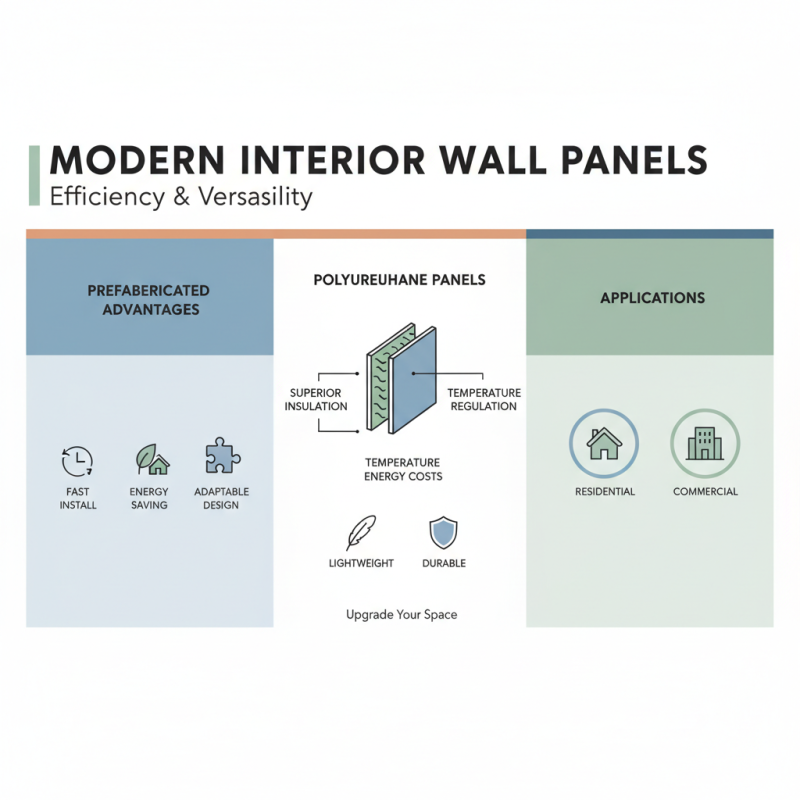
Prefabricated interior wall panels have gained popularity in modern home design due to their efficiency and versatility. There are several types of panels available on the market, each serving different aesthetic and functional purposes. One common type is the polyurethane panel, known for its excellent insulation properties, which can help regulate indoor temperatures and reduce energy costs. These panels are lightweight yet sturdy, making them easy to install and perfect for both residential and commercial applications.
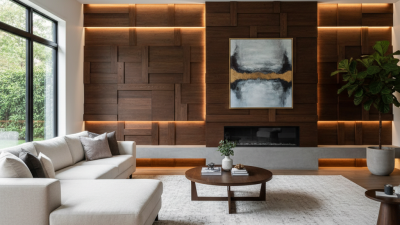
Another type of prefabricated panels are gypsum boards, which offer fire resistance and soundproofing qualities. Gypsum boards are often used in spaces that require enhanced safety and quiet, such as bedrooms or home theaters. Additionally, decorative wall panels made from materials like wood or composite can add unique textures and visual appeal to a room. These panels can be easily customized with various finishes, allowing homeowners to achieve their desired aesthetic while also benefiting from the practicality of prefabricated installations. Whether for insulation, soundproofing, or design, prefabricated wall panels provide numerous options suitable for efficient home design.
Steps to Plan and Measure for Prefabricated Wall Panel Installation
When planning for the installation of prefabricated interior wall panels, proper measurement and layout are crucial to achieving an efficient design. According to a report by the American Institute of Architects, using prefabricated wall panels can reduce construction time by up to 50%. This time savings is primarily attributed to the precision and efficiency of pre-manufactured components, which allows for quicker assembly on site. To capitalize on these benefits, start by carefully measuring your space, paying attention to existing infrastructure such as electrical outlets and windows, as these will dictate the size and placement of your panels.
After measurements are taken, it is essential to create a detailed floor plan that includes the layout of the wall panels. Utilize software that specializes in architectural design or simple graph paper to map your vision. Research shows that projects utilizing prefabricated components report a 30% decrease in on-site waste due to their controlled manufacturing environment. Additionally, ensure that your plan adheres to local building codes and zoning regulations, as these may influence the dimensions and structural requirements of your wall panels. By meticulously planning and measuring, you can streamline the installation process and enhance the overall efficiency of your home design project.
Installation Process for Prefabricated Interior Wall Panels
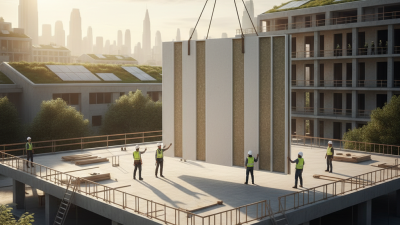
The installation process for prefabricated interior wall panels can significantly enhance the efficiency and aesthetics of home design. According to a report by the Building Industry Association, using prefabricated wall systems can reduce construction time by up to 50%. This is achieved through the manufacturing of wall panels in controlled factory environments, which minimizes delays caused by weather and on-site conditions. Homeowners and builders alike can take advantage of this streamlined process to create functional, stylish living spaces more quickly.
When installing prefabricated wall panels, proper planning is essential. Begin by assessing the home layout and identifying the areas that will benefit most from panel installation. Ensure that the foundation is sturdy and level to support the panels. As per the findings from the National Association of Home Builders, proper moisture management is crucial; installing barriers can prevent mold and water damage.
Tips: Always measure twice before cutting any panels to ensure accuracy. Use high-quality fasteners that are appropriate for the material of the wall panels, which helps secure them properly during installation. Also, consider consulting a professional for complex layouts or structural changes to maximize the benefits of prefab panels in your home. By following these guidelines, homeowners can achieve a successful installation that optimizes their living space.
Design Considerations When Using Prefabricated Wall Panels in Homes
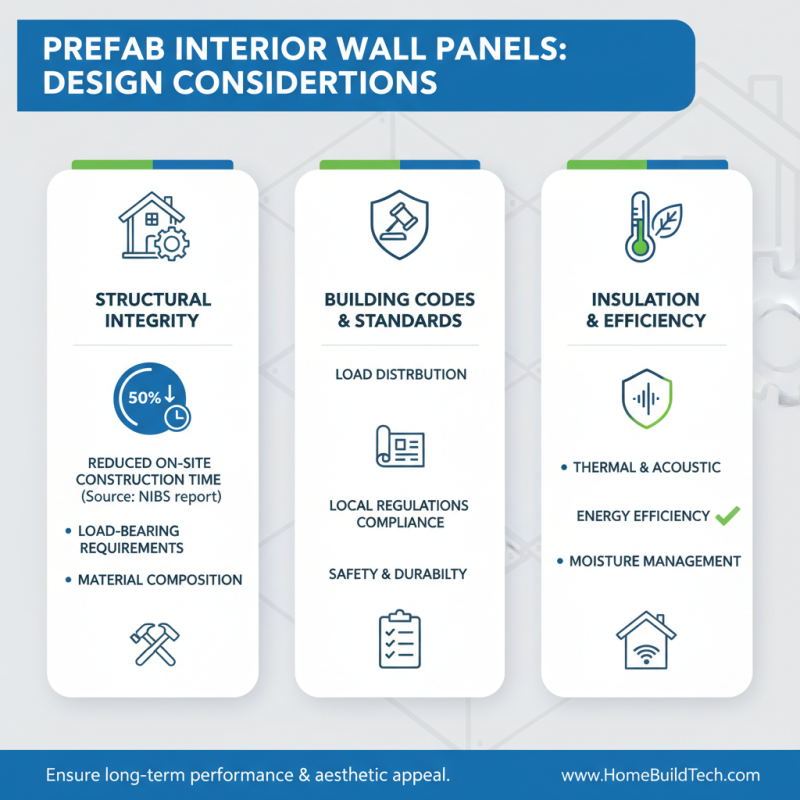
When considering the use of prefabricated interior wall panels in home design, several design considerations play a crucial role in ensuring their effectiveness and aesthetic appeal. One primary factor is the weight and structural integrity of the panels. According to a report from the National Institute of Building Sciences, prefabricated wall panels can reduce on-site construction time by up to 50%. This efficiency, however, must align with local building codes and standards, which often dictate load-bearing requirements based on the materials used and the design of the home. Properly evaluating the structural implications can help prevent future complications regarding insulation and load distribution.
Another significant consideration is energy efficiency. Research conducted by the U.S. Department of Energy indicates that prefabricated wall panels can enhance thermal performance, reducing energy consumption by 30% to 50% compared to traditional construction methods. This efficiency is largely due to the high insulation values that can be integrated into the panels, as well as fewer thermal bridges. Home designers must take into account the local climate and orientation of the property to maximize these benefits. Additionally, using energy-efficient panels may qualify homeowners for various green building certifications, further incentivizing the investment in prefabricated solutions.
Moreover, aesthetics and customization are also pivotal in the design process. Homeowners increasingly desire unique and personalized spaces, and prefabricated wall panels can be tailored to meet diverse design visions, offering options in finishes, colors, and textures. Reports from the Housing Industry Association indicate that around 70% of new home builders are integrating custom or semi-custom features into their designs, with prefabricated options providing a practical solution without compromising on style. Balancing functionality, energy efficiency, and aesthetic appeal is essential for successfully implementing prefabricated wall panels in modern home design.