Why Choose a Prefabricated Wall System for Your Project?
In recent years, the construction industry has seen a notable shift towards innovative solutions. The prefabricated wall system stands out among these advancements. This approach offers several benefits, transforming how projects are designed and executed.
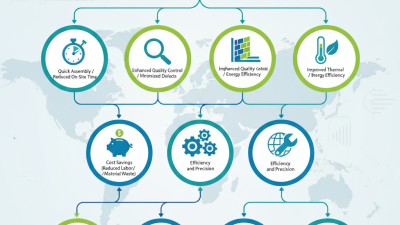
Efficiency and accuracy are two primary advantages of using a prefabricated wall system. Prefabrication minimizes on-site labor, resulting in quicker project timelines. Components are pre-assembled, allowing for precise measurements and quality control. However, it is essential to consider potential drawbacks, such as limited customization options.
Sustainability is also a critical factor. The prefabricated wall system can reduce material waste significantly. This shift towards sustainability not only enhances a project's environmental impact but also aligns with current industry trends. Overall, the decision to choose a prefabricated wall system deserves careful consideration based on project needs.
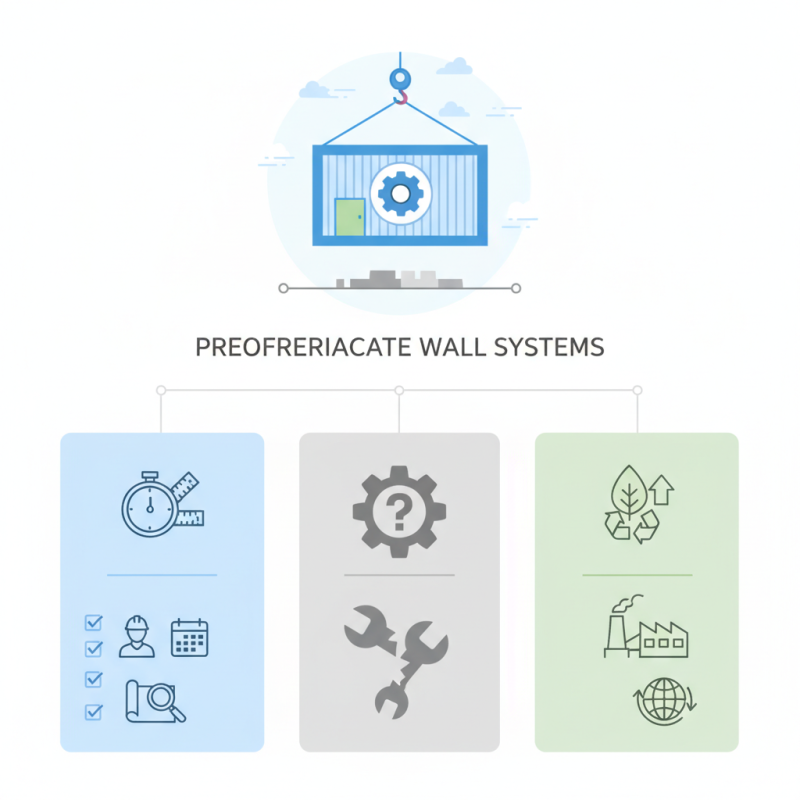
Benefits of Prefabricated Wall Systems in Construction Projects
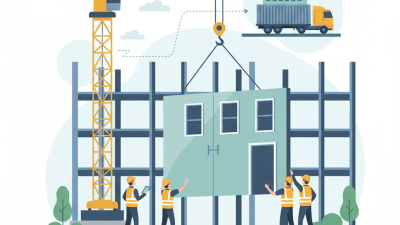
Prefabricated wall systems have revolutionized construction. They offer a faster, more efficient approach. Teams can assemble these panels on-site or in a factory. This flexibility can save valuable time on a project.
One major benefit is the reduction in labor costs. Fewer workers are needed at the job site. This can lead to lower overhead expenses. Prefabricated walls also minimize waste. Manufacturing the panels in a controlled environment reduces errors. The materials are used more efficiently, which is great for the environment.
However, not all projects may benefit from this system. Certain designs may require custom solutions. In such cases, prefabricated walls might not fit seamlessly. It's essential to assess the project's specific needs carefully. While prefabrication can enhance speed and efficiency, careful planning is still crucial for success.
Comparison of Prefabricated and Traditional Building Methods
Prefabricated wall systems offer significant advantages over traditional building methods. They are constructed off-site, ensuring a controlled environment reduces defects. This leads to higher quality and shorter construction times. Meanwhile, traditional methods often involve complex coordination and longer timelines.
Costs can also differ greatly between the two approaches. Prefabricated walls can save money through reduced labor and faster project turnover. Traditional construction might seem cheaper upfront, but hidden costs can arise from delays and rework. Precise planning and better resource allocation in prefabricated systems enhance overall budget management.
**Tips:** Consider site conditions. They can affect delivery and installation of prefabricated components. Quality assurance in prefabrication is vital, so insist on a reputable manufacturer. Reflect on the long-term benefits of adopting modern building techniques over conventional methods; they might not suit every project but can lead to efficiency and sustainability in many cases.
Key Components and Materials Used in Prefabricated Wall Systems
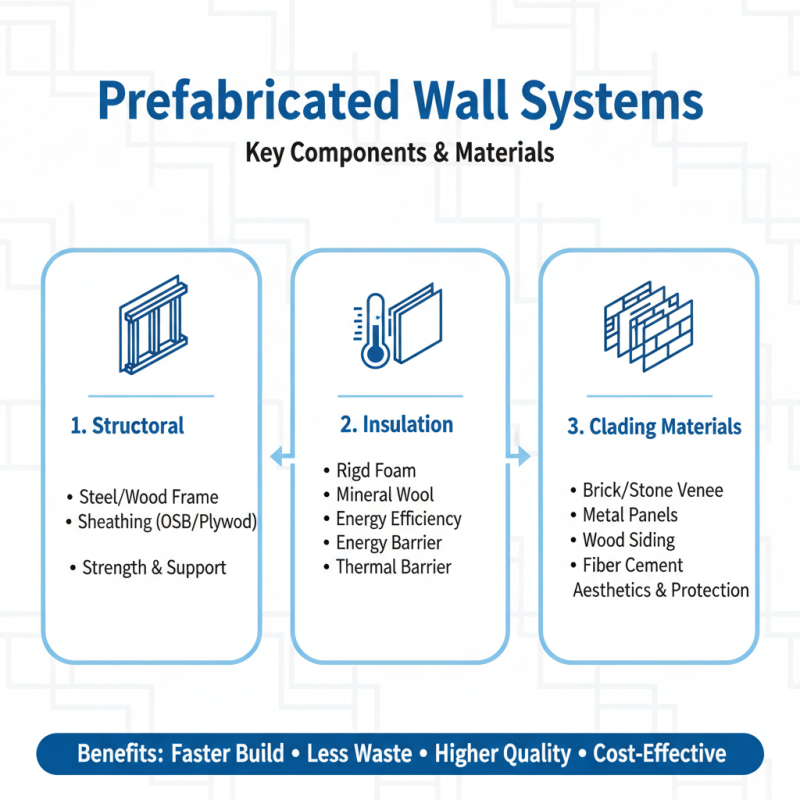
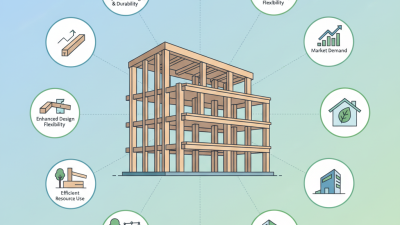
Prefabricated wall systems have gained popularity in the construction sector due to their efficiency and design flexibility. Key components include structural panels, insulation, and cladding materials. These elements work together to enhance energy performance and reduce construction time.
A significant advantage of prefabricated walls is their insulation properties. According to the U.S. Department of Energy, buildings with superior insulation can save 30% on heating and cooling costs. The use of materials like high-density foam and mineral wool in prefabricated wall systems contributes to their thermal effectiveness.
Consider these tips when selecting materials. Ensure you assess the local climate to choose appropriate insulation. Also, evaluate the fire resistance of the chosen components, as this can significantly impact safety and compliance with building codes. Remember that not all prefabricated systems are created equal; research and compare options carefully.
Cost-Effectiveness of Prefabricated Wall Systems Over Time
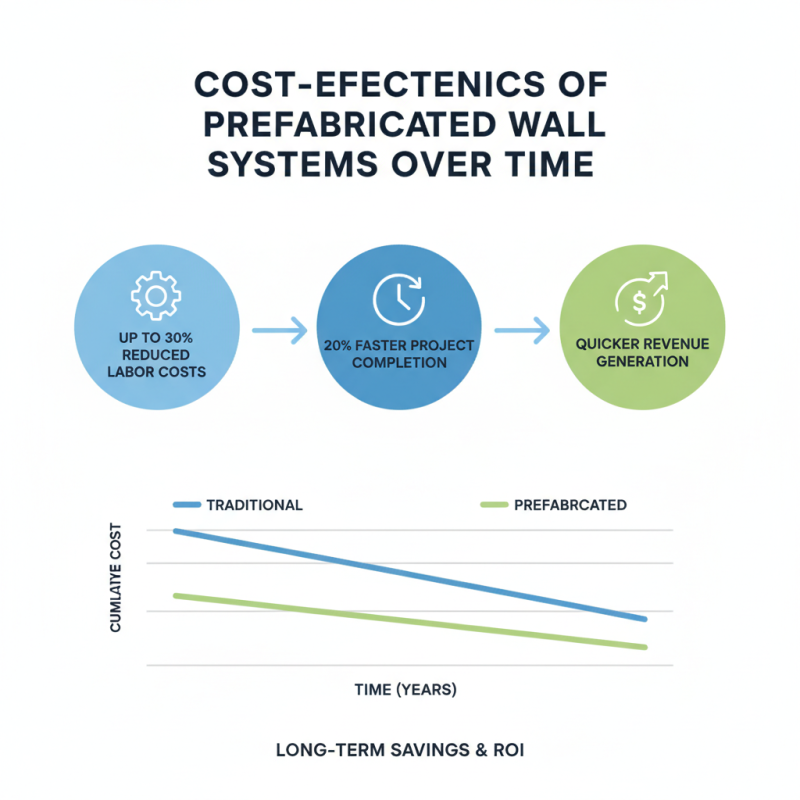
When considering the construction of any project, the long-term cost-effectiveness of prefabricated wall systems stands out. Research indicates that these systems can reduce labor costs by up to 30%. Prefabricated units significantly shorten on-site construction time, often leading to projects being completed 20% faster compared to traditional methods. This rapid deployment means quicker revenue generation for commercial projects.
Moreover, studies show that prefabricated wall systems can lead to a 15-20% reduction in overall material waste. Reduced waste not only lowers project costs but also supports sustainable building practices. However, it’s essential to acknowledge the upfront investment. Initial expenses can be higher than traditional building methods. Yet, the long-term savings in labor and materials typically outweigh this initial hurdle.
Ultimately, the adaptability of prefabricated walls allows for simple adjustments during construction. While this method presents numerous advantages, it's crucial to remain vigilant regarding quality control. Ensuring that quality isn't compromised for speed is essential. Industry reports emphasize the importance of selecting reliable manufacturers to mitigate risks. Embracing prefabricated wall systems represents a shift towards an efficient, cost-effective construction future.
Environmental Impact and Sustainability of Prefabricated Solutions
Prefabricated wall systems offer a sustainable alternative in modern construction. These solutions significantly reduce waste during the building process. Traditional construction often leads to excess materials in landfills. In contrast, prefabrication minimizes this impact by optimizing the use of resources. Each wall panel is crafted with precision, ensuring that materials are efficiently utilized.
Another key aspect is energy efficiency. Many prefabricated systems are designed with insulation and energy-saving features. This can lead to lower energy costs over the lifespan of a building. However, not all prefabricated solutions are created equal. It’s crucial to evaluate the environmental credentials of specific systems. Some may be made from less sustainable materials, which can offset their benefits.
Moreover, while prefabrication reduces construction time, it can also present challenges. Quality control is essential to ensure durability and performance. If not monitored, this can lead to structural issues later on. Choosing the right prefabricated wall system requires careful consideration of these factors to make truly sustainable choices.
Why Choose a Prefabricated Wall System for Your Project? - Environmental Impact and Sustainability of Prefabricated Solutions
| Dimension |
Prefabricated Wall System |
Traditional Wall System |
| Construction Time |
Reduced by 30% |
Standard Build Time |
| Waste Generation |
Up to 50% less waste |
Higher waste levels |
| Energy Efficiency |
Better thermal performance |
Standard thermal performance |
| Carbon Footprint |
Lower overall emissions |
Higher overall emissions |
| Recyclability |
Highly recyclable materials |
Limited recyclability |