How to Choose the Best Prefab Wall Panels for Your Project?
Choosing the best prefab wall panels for your project is crucial. The right panels can enhance efficiency, aesthetics, and sustainability. According to a report by the Modular Building Institute, the use of prefab wall panels can reduce construction time by up to 30%. This demonstrates their growing importance in modern construction.
John Smith, a leading expert in the prefab industry, emphasizes that “selecting high-quality prefab wall panels can significantly impact the overall success of any project.” His insights reflect the need for careful consideration in this choice. Many projects have suffered from inadequate panel selection, leading to structural issues or increased costs.
As the industry evolves, understanding the specific needs of your project becomes essential. Factors such as insulation, durability, and design flexibility require attention. This decision can be daunting, given the plethora of options available. An informed approach can mitigate common mistakes and enhance project outcomes.
Understanding Prefab Wall Panels and Their Benefits
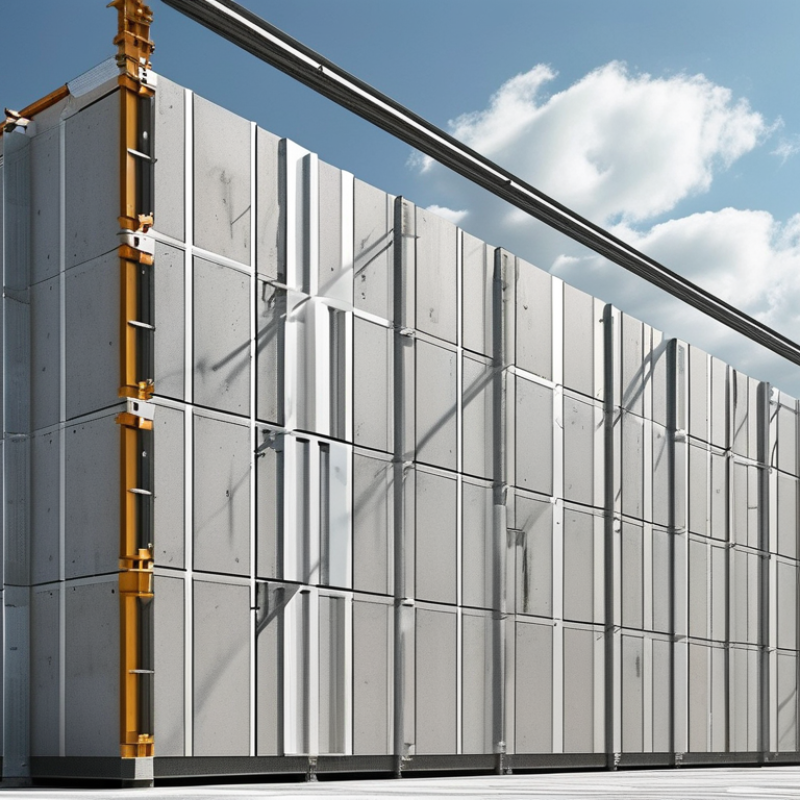
Prefab wall panels offer significant advantages for modern construction projects. They are efficient and can be customized to meet specific design requirements. The panels, typically made of materials like wood, steel, or concrete, are prefabricated in factories. This process minimizes waste and optimizes material usage. Their ready-to-install nature speeds up project timelines, allowing for more rapid completion.
These panels not only reduce labor costs but also enhance energy efficiency in buildings. Many prefab wall panels come with superior insulation properties, leading to lower energy bills over time. Additionally, they can improve indoor air quality, a vital concern in today's construction. Choosing the right type of panel is essential, as some may not provide adequate insulation or structural integrity.
However, while prefab wall panels encapsulate numerous benefits, they may present challenges. Sometimes, they might not fit perfectly upon installation, leading to gaps that require adjustments. It's crucial to consider potential local regulations or site-specific requirements when opting for prefab solutions. Collaboration with knowledgeable professionals in the field can help navigate these obstacles effectively.
Choosing the Best Prefab Wall Panels for Your Project
This chart represents the benefits of using prefab wall panels compared to traditional wall construction methods based on various criteria.
Factors to Consider When Selecting Prefab Wall Panels
When selecting prefab wall panels for your project, several key factors must be considered. These include material type, cost, insulation values, and ease of installation. According to industry reports, using insulated wall panels can reduce energy costs by up to 50%. That’s a substantial savings for any construction budget.
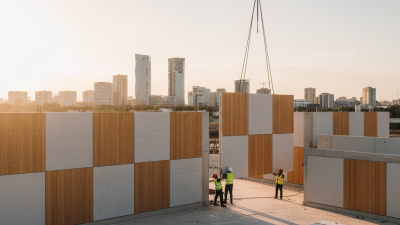
Material choice is vital; options such as steel, wood, and concrete each have unique benefits. Steel panels offer durability and fire resistance, while wood panels provide natural insulation. A report from the Modular Building Institute suggests that proper material selection can impact project timelines. Designers should balance aesthetic preference with functional needs.
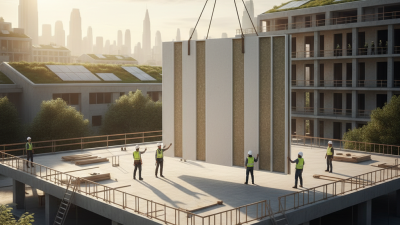
Thinking about installation? Prefab wall panels can streamline the building process. Installation time can be reduced by 30% with proper planning. This might lead to unexpected challenges, such as needing more specialized labor. Always ensure your team is prepared and trained. Investing in quality means fewer future repairs, but the upfront cost can be daunting. Consider this a necessary step for long-term benefits.
Types of Materials Used in Prefab Wall Panels
Prefab wall panels come in various materials, each offering unique benefits. Common options include wood, steel, and concrete. Wood panels are often lightweight and provide natural insulation, making them ideal for residential projects. According to the Structural Insulated Panel Association, they can reduce energy needs by up to 40%.
Steel panels are highly durable and resistant to pests. They are perfect for commercial buildings requiring high load-bearing capacity. Reports indicate that the use of steel in construction can lower lifecycle costs due to its longevity. However, it is vital to consider potential issues with thermal bridging when using steel, which can lead to energy inefficiencies if not addressed.
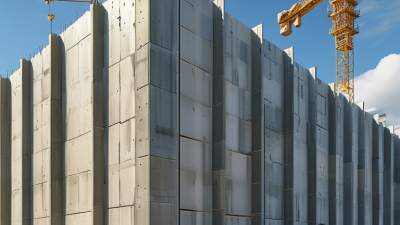
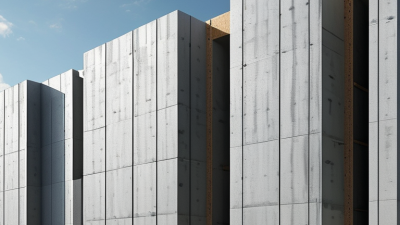
Concrete panels are known for their strength and fire resistance. They are suitable for various climates and can withstand harsh weather. The American Concrete Institute has found that using precast concrete can speed up construction timelines by up to 50%. However, potential drawbacks include higher transportation costs due to their weight. Understanding the strengths and limitations of each material is crucial for selecting the right prefab wall panels for any project.
Evaluating the Cost and Budget for Prefab Wall Panels
When evaluating cost and budget for prefab wall panels, several factors come into play. Start with material selection. Different materials, like plywood or steel, will impact the overall price significantly. Consider the specifics of your project, including necessary insulation or fire ratings. These requirements can add to the cost but may also enhance your building's performance and longevity.
Labor costs are another critical factor. Prefab wall panels often reduce construction time, thereby lowering labor expenses. However, if your project requires customization, skilled labor may increase expenses. It’s essential to factor in these potential costs early in your planning to avoid surprises later.
Lastly, think about long-term savings. Quality prefab wall panels can offer better energy efficiency, resulting in lower utility bills. While upfront costs are important, consider the overall value and return on investment. Reflecting on these aspects may lead to a more informed decision.
How to Choose the Best Prefab Wall Panels for Your Project? - Evaluating the Cost and Budget for Prefab Wall Panels
| Panel Type |
Material |
Cost per Square Foot ($) |
Insulation Value (R-Value) |
Durability (Years) |
| Vinyl Panels |
PVC |
$10 |
R-2 |
20 |
| Metal Panels |
Steel |
$15 |
R-3 |
40 |
| Wood Panels |
Plywood |
$12 |
R-1.5 |
30 |
| Concrete Panels |
Cement |
$20 |
R-2.5 |
50 |
| Fiberglass Panels |
Fiberglass |
$25 |
R-4 |
25 |
Assessing Supplier Reputation and Delivery Options
When choosing prefab wall panels, evaluating supplier reputation is crucial. A reputable supplier should have a proven track record. Look for testimonials from previous clients. Positive feedback can provide insight into quality and reliability. Check online reviews and industry forums. These sources can reveal how suppliers handle issues, ensuring you select a trustworthy partner.
Delivery options are another key aspect. Consider the lead time for your project. Timely delivery is essential for staying on schedule. Ask suppliers about their logistics. Are they local or international? Local suppliers may offer faster turnaround times. However, international suppliers might provide unique options or materials. Evaluate the potential delays and costs linked to shipping.
These factors impact project success. Balancing price with reliability requires careful thought. Do not rush the process. Take time to reflect on the suppliers you consider. A mistake here can lead to significant setbacks down the line. Always prioritize quality over mere cost savings. Your project deserves the best foundation for success.