How to Choose Engineered Wood Beams for Your Project?
When planning a construction project, the choice of materials is critical. Engineered wood beams, a popular option, offer strength and versatility. According to the American Wood Council, engineered wood products can be up to 30% stronger than traditional lumber. This added strength enables larger spans, which can reduce the number of support columns needed. Reliable data shows that using engineered wood beams can lead to significant cost savings in both materials and labor.
However, selecting the right engineered wood beams requires careful consideration. Factors such as load requirements, environmental conditions, and design specifications play a vital role. Many builders overlook these factors, leading to potential issues down the road. Furthermore, there are variations in quality among manufacturers, making it essential to choose reputable suppliers. Research indicates that improperly selected beams can result in structural failures, which can be costly and dangerous.
Understanding these nuances is crucial for making informed decisions. Engineered wood beams represent an innovative solution in construction, but they are not without their challenges. It's important to reflect on both the benefits and limitations when choosing the right beams for your project.
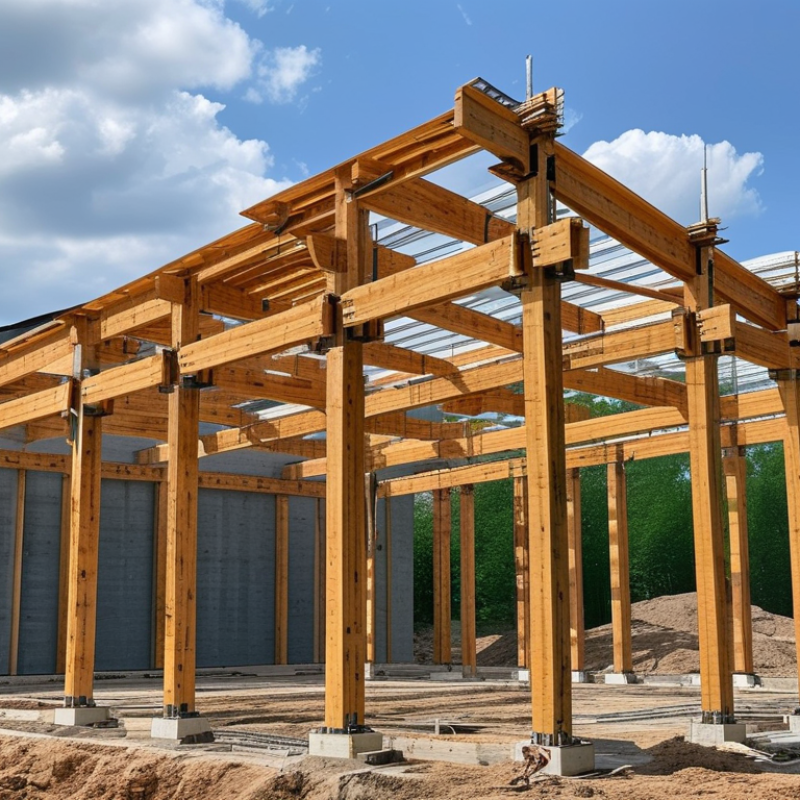
Understanding Engineered Wood Beams: Key Characteristics and Benefits
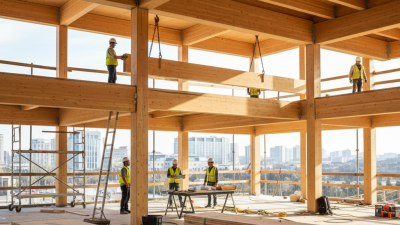
Engineered wood beams are a vital component in modern construction. They are made from layers of wood, bonded together with adhesives. This design enhances their strength and stability compared to traditional lumber. These beams are lighter, yet they can span longer distances. This makes them ideal for various applications, including residential and commercial buildings.
One significant benefit of engineered wood beams is their uniformity. Each beam is manufactured under controlled conditions. This results in predictable performance and fewer defects. Additionally, these beams are less prone to warping or twisting over time. However, it is essential to select the right type of beam for your project. Understanding load requirements and environmental factors is crucial.
While engineered wood beams offer many advantages, they may not always be the best choice. If moisture levels are a concern, solid wood may be preferable. Consider the specific needs of your project. Checking local building codes can also reveal important information. Always consult with professionals to ensure you make informed decisions. This will help you maximize the benefits of your chosen materials.
Evaluating Project Requirements: Load-Bearing Capacity and Span Needs
When selecting engineered wood beams, understanding
load-bearing capacity
and span requirements is crucial. Load-bearing capacity refers to how much weight a beam
can support without compromising safety. Each project varies in terms of the weight it must handle.
Therefore, accurately calculating these needs is vital.
Span refers to the distance that the beam
must cover without support. Longer spans may require beams with
higher load capacities. However, a beam that is too heavy can complicate installation.
It is essential to balance these factors carefully. If calculations are off, it may lead to
structural issues down the line.
Considering the specific demands of your project, it can be helpful to consult with
engineers or architects. They can provide insights
based on experience and knowledge. Engaging them early in the planning stages may expose potential
problems. Adjusting plans at an early stage is often easier and more cost-effective than making
changes later. Making informed decisions about engineered wood beams
lays the groundwork for a stable structure.
Types of Engineered Wood Beams: Options and Their Applications
When considering engineered wood beams, understanding their types and applications is crucial. Laminated veneer lumber (LVL) is a popular choice. It offers high strength and stability. This makes it ideal for beams and headers. LVL is made from multiple layers of wood veneers. It is then glued together under heat and pressure. This process enhances its structural capabilities.
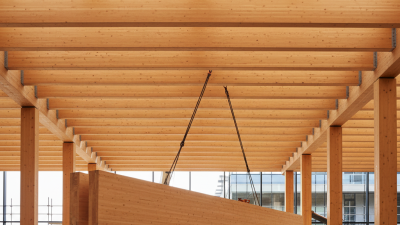
Another option is glulam, or glued laminated timber. It combines several layers of lumber, making it effective for long spans. Glulam is often used in bridges and large commercial buildings. The aesthetic appeal of exposed glulam adds a warm touch to any structure. However, its cost can be a factor to consider.
Parallel strand lumber (PSL) is a less common choice but has notable advantages. It's made from long strands of wood. PSL excels in tension applications, such as beams in framing. Selecting the right engineered wood beam depends on project needs.
Consider: Factors like load capacity, span length, and design preferences. The variety available offers both benefits and complexities, making informed choices essential.
Selecting Quality Materials: Certification and Sustainability Considerations
When selecting engineered wood beams, certification and sustainability are key considerations. Many builders prioritize materials with recognized certifications, like the Forest Stewardship Council (FSC) mark. This ensures that wood is sourced from responsibly managed forests. According to a report by the U.S. Forest Service, certified wood can reduce environmental impact significantly by promoting sustainable forestry practices.
Sustainability goes beyond certification. Engineered wood products often use waste materials, which can lower the demand for virgin wood. For example, wood from sawmill scraps can be transformed into high-performance beams. However, it’s crucial to verify the manufacturing process. Not all products labeled sustainable meet high-performance standards. In a 2022 study, 30% of tested engineered wood products failed to meet local code requirements for strength and durability, highlighting the need for careful selection.
The lifecycle of the materials should also be assessed. More companies are leaning towards carbon-neutral or negative emissions practices. This trend reflects a commitment to sustainability, yet achieving this is challenging. A balance between quality and environmental impact must be struck. Evaluating sources and performance data is essential for anyone looking to make informed decisions about engineered wood beams.
Engineered Wood Beams: Quality and Sustainability Considerations
Installation Best Practices: Ensuring Structural Integrity and Safety
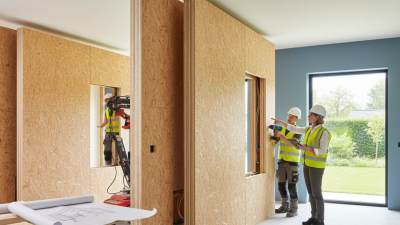
When installing engineered wood beams, attention to detail is crucial for maintaining structural integrity. Begin by selecting the right tools. A level, a tape measure, and a power saw will ensure precision during installation. Measure your space thoroughly before cutting. Accurate measurements prevent errors that could compromise the beam’s performance.
Once your beams are cut, proper placement is essential. Support them at the required intervals outlined in your project specifications. During installation, use temporary braces to hold the beams in place until they are secured. This step can be easy to overlook, but it safeguards against misalignment.
After placement, apply connectors correctly. These may include metal straps or brackets. They enhance stability and distribution of weight. Even a small oversight in this phase can lead to structural risks. Double-check each connection and ensure everything is tight.
Regularly review your work, as mistakes can be costly and dangerous. Emphasizing safety during installation protects both the structure and the people using it.