What is Lumber Financing and How Can It Benefit You?
Lumber financing is a vital resource for many businesses in the woodworking and construction sectors. It offers essential support for acquiring and managing lumber supply. Understanding this concept can significantly impact your operations.
Securing lumber financing can help you purchase bulk materials without straining your cash flow. It allows businesses to maintain inventory levels while managing expenses effectively. This type of financial support can enhance your purchasing power, leading to better deals and opportunities.
However, not all lumber financing options are created equal. Evaluating various lenders and their terms is crucial. Each choice comes with its own risks and benefits. Consider your business's specific needs and circumstances. Make informed decisions to maximize the potential of lumber financing in your operations.
What is Lumber Financing?
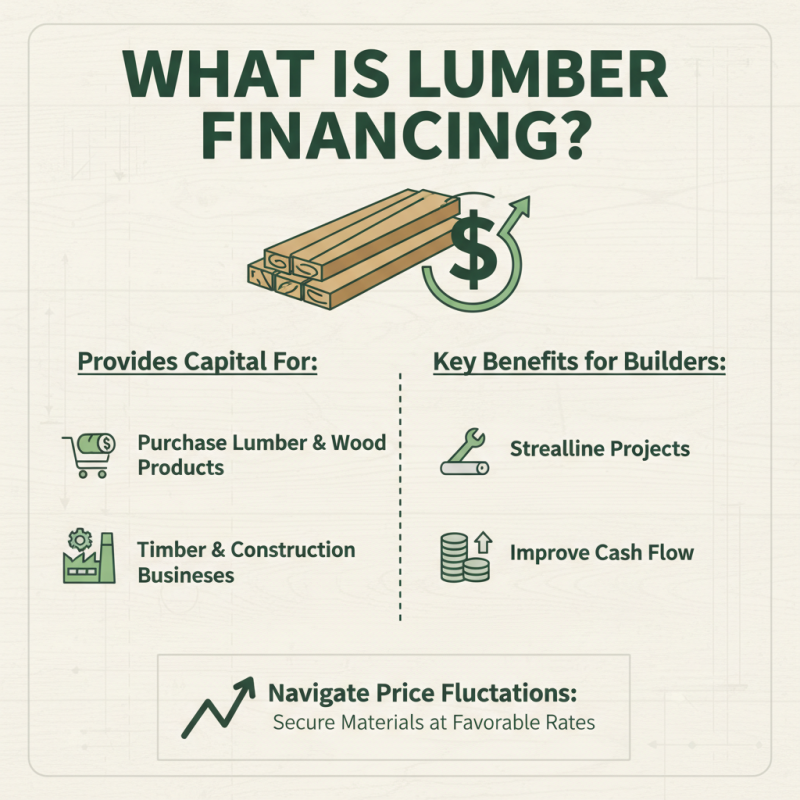
Lumber financing is a specialized funding option for businesses in the timber and construction sectors. It provides the necessary capital to purchase lumber and wood products. For builders, access to lumber financing can streamline projects and improve cash flow. When lumber prices fluctuate, having financing in place can help secure materials at favorable rates.
One key benefit is flexibility. Borrowers can choose different terms tailored to their needs. This adaptability can significantly aid construction timelines. However, understanding the financing terms is crucial. Hidden fees or high-interest rates can impact project costs. Always read the fine print and seek clarity on all aspects of the agreement.
Tip: Maintain a good credit score. Lenders prefer borrowers with solid credit histories. This can lead to better financing options and lower rates.
Moreover, be cautious with borrowing amounts. Overextending can lead to financial stress. Assess your project's requirements realistically. Remember, budgeting for unexpected expenses is vital to maintain your project's health. Keeping a close watch on your budget helps avoid pitfalls, making lumber financing a tool rather than a burden.
The Importance of Lumber in the Construction Industry
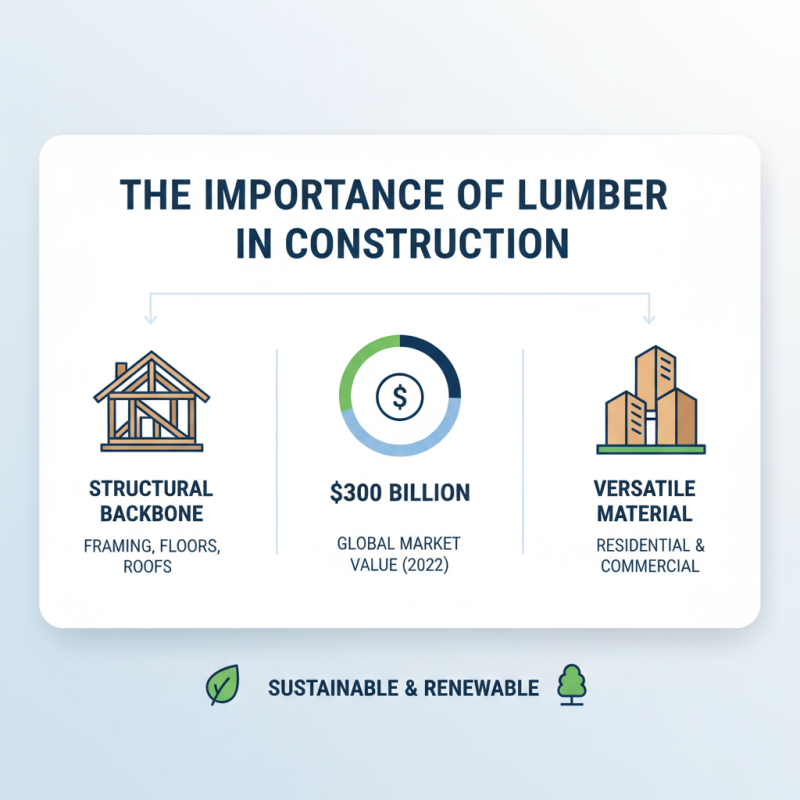
Lumber plays a crucial role in the construction industry. It is the backbone for many types of structures. In 2022, the global lumber market was valued at approximately $300 billion. This number underscores the importance of wood as a primary building material. Construction projects, whether residential or commercial, rely heavily on lumber for framing, flooring, and roofing.
The demand for lumber varieties continues to rise, with softwood accounting for nearly 80% of the total use in construction. According to a report by the U.S. Forest Service, softwood lumber production reached around 28 billion board feet in 2021. This increase demonstrates the growing dependency on timber resources. However, issues like sustainability and supply chain disruptions have raised questions about future availability.
Even as the construction sector seeks innovative materials, lumber's unique properties—like strength and insulation—make it irreplaceable. Builders are encouraged to consider the sustainability of their lumber sources. Reflecting on supply issues and environmental impacts is essential for long-term planning in construction. The industry must adapt to these challenges while maximizing lumber's potential in building safe and resilient structures.
How Lumber Financing Works: Key Aspects to Understand
Lumber financing is essential for those in the woodworking or construction industries. It allows businesses to obtain the necessary funds to purchase raw materials, such as timber, without paying upfront. This method can improve cash flow and reduce financial strain.
Understanding how lumber financing works can help you make informed decisions. It typically involves a lender providing a loan based on the expected value of the lumber acquired. Interest rates and repayment terms vary, so reviewing these closely is critical. Many lenders require detailed business plans and credit assessments. Evaluate your cash flow, and anticipate any fluctuations that may arise.
Tip: Always prepare a thorough budget before seeking lumber financing. This helps in determining how much you truly need.
The risk associated with lumber financing should not be overlooked. Market values can fluctuate, affecting your repayment capability. Make sure your plans are adaptable. Consider keeping a financial cushion for unexpected costs.
Tip: Consult with a financial advisor. Their expertise can guide you in managing risks effectively.
In conclusion, understanding the complexities of lumber financing is vital. It can empower your business but requires careful planning and reflection on potential pitfalls.
Benefits of Lumber Financing for Builders and Contractors
Lumber financing offers significant advantages for builders and contractors. When cash flow is limited, it provides quick access to necessary materials. This access can accelerate project timelines, allowing contractors to meet tight deadlines. With reliable funding, builders can focus on quality work, rather than worrying about finances.
In many cases, lumber financing can cover upfront costs, reducing financial strain. This becomes crucial during peak seasons when demand surges. Contractors can take advantage of discounts and bulk pricing without delaying projects. Lowering project delays can lead to higher client satisfaction, resulting in potential repeat business.
However, it’s essential to evaluate the terms of financing options. Not all agreements are created equal, and some may have hidden fees. This could affect profitability. Properly understanding the financing landscape is crucial for making informed decisions. Each project has unique needs, and evaluating financing options carefully can help achieve the best results.
Common Misconceptions About Lumber Financing
Many people hold misconceptions about lumber financing. Some believe it is only for large-scale builders or manufacturers. In reality, anyone involved in woodworking or construction can benefit. Homeowners looking to build a deck or small business owners needing timber for projects should consider it.
Another common belief is that lumber financing is complicated. The process can seem daunting at first. However, it often includes simple application forms and quick approvals. Many lenders aim to make financing accessible. This empowers individuals to invest in their projects without significant upfront costs.
Lastly, some think that the interest rates for lumber financing are extremely high. While rates can vary, they are often competitive compared to other types of loans. It’s essential to shop around and research options. This ensures that individuals can find a deal that fits their budget and needs.
Lumber Financing Trends Over Time
This chart shows the fluctuation in lumber prices from Q1 2022 to Q2 2023, highlighting the potential benefits of lumber financing during price changes. Understanding these trends can help you make informed decisions about financing options in the lumber industry.