Top 5 Timber Trusses for Your Next Construction Project?
In the realm of construction, choosing the right materials is crucial. Timber trusses stand out as an excellent option for structural support. Renowned architect and timber engineering expert, Dr. Emily Carson, once said, “Timber trusses not only provide strength but also add warmth to any design.” This sentiment resonates deeply in the industry.
Timber trusses are versatile and sustainable. They can be used in various projects, from residential homes to commercial buildings. Their natural aesthetic complements modern architecture beautifully. However, selecting the best trusses can be daunting due to the numerous options available. Some choices may not offer the durability needed for specific applications.
Navigating this landscape requires a careful assessment of your project's needs. Understanding the characteristics of different timber trusses can greatly impact overall performance. It is also essential to consider potential maintenance challenges that may arise with certain types. Ultimately, while timber trusses offer remarkable benefits, developing a thoughtful and informed approach is necessary to ensure success.
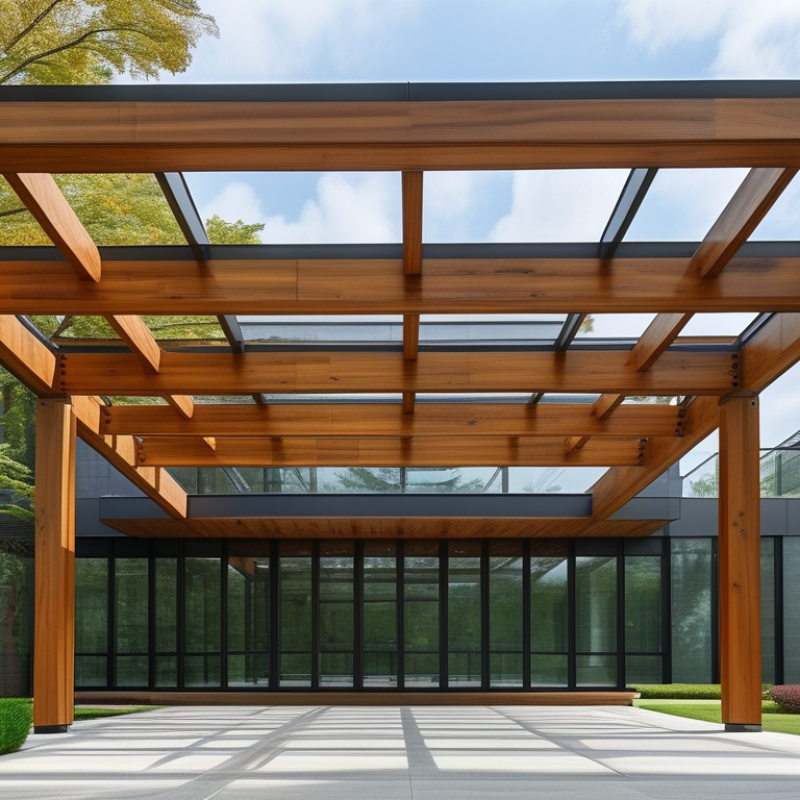
Understanding Timber Trusses: A Key Element in Construction
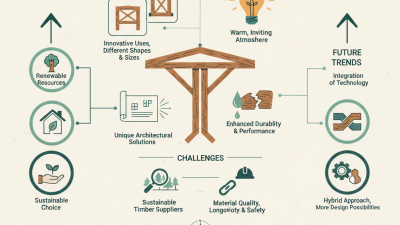
Timber trusses play a crucial role in the construction industry. They offer both aesthetic and structural benefits. According to a 2021 report by Wood Products Council, timber trusses can increase a building's sustainability by using renewable materials. This makes them an excellent choice for eco-conscious projects.
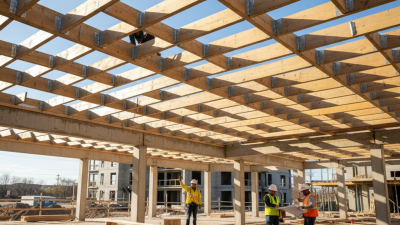
Using timber trusses not only enhances design flexibility but also ensures structural integrity. They can support large openings in buildings without the need for additional load-bearing walls. This open design is becoming increasingly popular in modern architecture. In fact, the framing system allows clear spans up to 60 feet, significantly impacting construction efficiency.
Tips: When selecting timber trusses, consider the wood species. Different types, like Douglas fir or Southern pine, offer various strength and aesthetic options.
It's important to ensure your timber trusses are sourced from reputable suppliers. High-quality timber reduces chances of warping or decay. Regular inspections can help maintain truss integrity over time. Remember, the ideal choice of truss will depend on your specific project goals and structural requirements.
Top 5 Timber Trusses for Your Next Construction Project
| Truss Type |
Material Used |
Span Range (ft) |
Common Applications |
Estimated Cost ($) |
| King Post Truss |
Softwood |
20 - 40 |
Residential Houses |
$1,200 - $1,800 |
| Queen Post Truss |
Hardwood |
20 - 50 |
Historic Buildings |
$1,500 - $2,200 |
| Fink Truss |
Engineered Wood |
30 - 60 |
Commercial Buildings |
$1,800 - $2,500 |
| Scissor Truss |
Engineered Wood |
20 - 40 |
Gymnasiums, Auditoriums |
$2,000 - $3,000 |
| Bowstring Truss |
Softwood |
30 - 80 |
Large Warehouses |
$2,500 - $3,500 |
Types of Timber Trusses: Exploring the Top 5 Options
Timber trusses are essential in construction. They provide strength and support for various building designs. When choosing a timber truss, builders commonly consider five main types:
king post, queen post, fink, vaulted, and mono trusses. Each type has unique applications, making them suitable for different projects.
King post trusses are ideal for shorter spans, offering high stability and aesthetic appeal. They typically use less timber than other designs. According to industry reports, their efficiency can reduce material costs by up to 15%.
Queen post trusses, on the other hand, cater to larger spans, balancing strength and material use. Fink trusses are particularly noted for their lightweight construction, which can lead to lower transportation costs.
Vaulted trusses add height and character to spaces, creating a dramatic effect. They can be challenging to install, requiring specific skills and experience. Lastly, mono trusses are often used in modern builds for their minimalistic design. Despite their popularity, some builders find that designing custom mono trusses can become complex.
Each truss type has advantages and disadvantages, emphasizing the importance of understanding project needs and materials.
Advantages of Using Timber Trusses in Construction Projects
Timber trusses are gaining popularity in construction, and for good reasons. They provide significant structural support while being lightweight. One notable advantage is their sustainability. Timber is a renewable resource, making it an eco-friendly choice. Compared to steel or concrete, timber has a smaller carbon footprint, appealing to environmentally conscious builders.
Another benefit of timber trusses is their aesthetic appeal. They offer a warm and natural look that can enhance interior spaces. The rich tones of wood can create an inviting atmosphere in homes and commercial buildings. Additionally, timber can be easily custom-crafted into various designs, allowing for creativity in architectural projects.
However, timber trusses are not without drawbacks. They require careful treatment to resist pests and moisture. Without proper maintenance, timber can weaken over time. It's essential to factor in these challenges when planning your project. Balancing aesthetics, sustainability, and durability is key to effective construction. Attention to detail in both design and upkeep ensures that timber trusses fulfill their promise while meeting project goals.
How to Select the Right Timber Truss for Your Needs
Choosing the right timber truss is crucial for your construction project. Different designs suit various structural needs. Consider the load requirements, the span of the truss, and the aesthetic appeal of your construction. According to a report by the American Institute of Timber Construction, engineered wood products, including trusses, can support lighter structures while maintaining strength.
Material quality also influences your selection. Selecting well-dried timber is essential to prevent warping and ensure longevity. The Forest Products Laboratory notes that properly treated timber can last over 40 years if maintained correctly. It’s important to consult with architects or structural engineers. They can provide insights into the best materials and designs for your specific project needs.
Installation plays a significant role in the overall success of your project. Poor installation can lead to safety issues. According to a survey by the Structural Engineers Association, nearly 15% of construction failures are due to improper truss installation. Thus, ensuring trained professionals handle the assembly is vital. Consider training and experience when selecting subcontractors for the installation process.
Installation and Maintenance Tips for Timber Trusses
Installing timber trusses requires careful attention to detail. Start by ensuring the structural integrity of the surrounding framework. Inspect each truss for any visible defects before installation. It's crucial to level the trusses accurately to avoid future complications. Misalignment can cause significant issues later, such as uneven load distribution or even structural failure.
Maintenance is equally important. Regularly check for signs of wear, such as cracks or rot. During seasonal changes, inspect the area for moisture or pest problems. Proper sealing can enhance longevity. Consider using protective coatings; they help shield the wood from environmental damage. Remember, maintenance should not be an afterthought; it's an ongoing commitment that protects your investment.
Additional considerations include ensuring proper ventilation in the attic space. Poor air circulation can lead to moisture buildup, which can compromise the trusses. Always remain vigilant for any signs of sagging or shifting over time. An annual inspection can catch issues early. Keeping a log of maintenance activities can help track concerns and repairs.