What Are the Benefits of Using Prefabricated Panels?
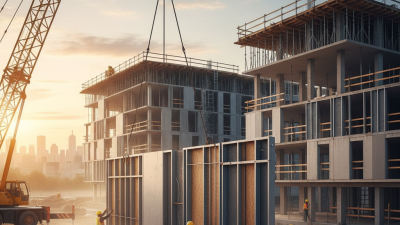
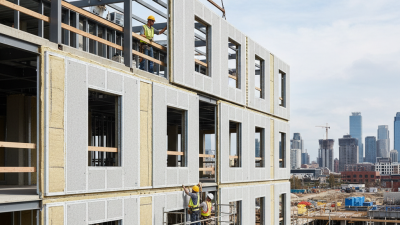
In recent years, prefabricated panels have gained significant traction in the construction industry. These panels offer numerous benefits, revolutionizing traditional building methods. By streamlining the construction process, prefabricated panels reduce time and labor costs. They are manufactured in a controlled environment, ensuring superior quality and consistency.
Moreover, prefabricated panels are environmentally friendly. They minimize waste and energy consumption during production. This sustainable approach appeals to both builders and environmentally conscious clients. However, the installation process requires skilled labor to ensure safety and durability, which can complicate initial project planning.
Understanding the potential limitations of prefabricated panels is also essential. While they speed up construction, customization options might be limited compared to traditional methods. This can lead to dissatisfaction for clients seeking unique designs. Despite these challenges, the overall advantages make prefabricated panels an attractive option for modern construction projects.
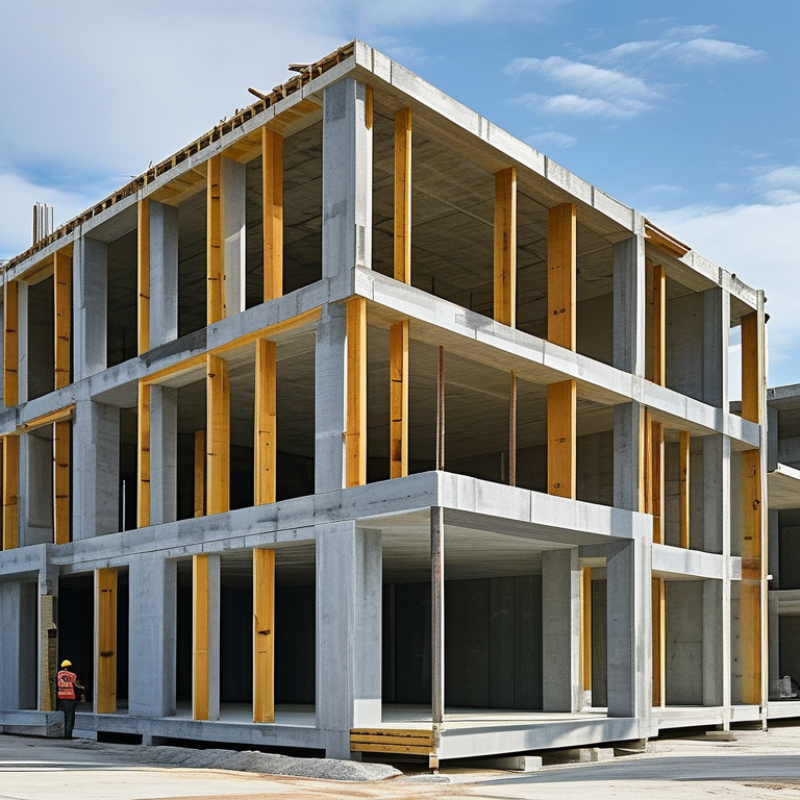
Benefits of Prefabricated Panels in Modern Construction
Prefabricated panels are revolutionizing modern construction. They offer numerous benefits that improve efficiency and reduce costs. According to a report by the McKinsey Global Institute, using prefabricated components can reduce project costs by up to 20%. This method accelerates the building timeline significantly. Construction projects can be completed 30-50% faster than traditional methods. The panels are manufactured off-site, minimizing labor input on-site and generating less waste.
Another important benefit of prefabricated panels is sustainability. Data from the U.S. Department of Energy shows that prefabricated structures can lead to about 40% less energy consumption during construction. This approach can also reduce carbon footprints. However, some concerns remain. The initial investment for prefabricated panels may be high, which can deter some builders. There's also a learning curve for integrating prefabricated designs with local regulations.
Despite these challenges, the growing trend towards using prefabricated panels demonstrates their effectiveness. As more architects and builders recognize the advantages, we may see even more innovative applications. The industry is evolving, but it's essential to address these complexities to fully harness the potential of prefabrication in construction.
Benefits of Using Prefabricated Panels in Modern Construction
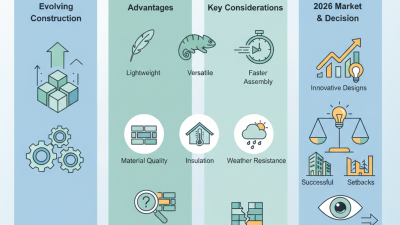
This chart illustrates the benefits of using prefabricated panels in modern construction, showcasing areas such as cost efficiency, time savings, quality control, sustainability, and labor reduction with their respective percentage values representing their importance in today's construction industry.
Cost Efficiency of Prefabricated Panels Compared to Traditional Methods
Prefabricated panels offer notable cost advantages compared to traditional construction methods. By manufacturing panels off-site, labor expenses are significantly reduced. This process allows for faster assembly at the construction site, minimizing labor costs further. For example, builders can save both time and resources, ultimately leading to a lower overall project budget.
Another critical benefit lies in material efficiency. Prefabricated panels are produced in controlled environments, leading to reduced waste. This precision in manufacturing ensures better use of raw materials, contributing to lower costs. While the initial investment might seem higher, the long-term savings often outweigh those early expenses. Projects often experience fewer delays and unexpected costs.
However, reliance on prefabricated panels can lead to challenges. Customization options may be limited, which can frustrate some architects and builders. Finding a balance between cost efficiency and design flexibility requires careful consideration. Each project demands a unique approach, and sometimes, traditional methods suit specific needs better. The key is to evaluate both methods based on individual project goals and contexts.
Time Savings: How Prefabricated Panels Speed Up Construction Projects
Prefabricated panels are transforming the construction landscape. One key advantage is time savings. When panels are manufactured off-site, the time spent on traditional on-site construction dwindles. This approach allows for faster project completion while minimizing weather-related delays. Workers can focus on assembly rather than extensive groundwork.
Efficiency in prefabricated construction lies in streamlined processes. Factories can work on multiple panels simultaneously. Standardized designs help reduce errors, leading to fewer revisions. On-site, teams quickly erect structures with pre-assembled units. Each panel is ready to fit, expediting the process significantly.
However, not every project may benefit from this method equally. Some structures may still require custom solutions that can't be prefabricated. Constraints like local regulations or specific architectural needs can pose challenges. It’s important to weigh these factors. Adopting prefabricated panels can speed up construction, but careful consideration is crucial for optimal results.
Sustainability and Environmental Impact of Using Prefabricated Panels
Prefabricated panels have gained popularity due to their potential for sustainability. A report by the World Green Building Council indicates that buildings account for 39% of global carbon emissions. Using prefabricated panels can significantly reduce this impact. These panels are manufactured off-site, which minimizes waste and labor on construction sites. It has been estimated that prefabrication can reduce construction waste by up to 90%.
Moreover, prefabricated panels can aid in energy efficiency. Studies show that buildings utilizing these panels can use up to 50% less energy compared to traditional construction methods. The precise manufacturing processes ensure better insulation, which lowers heating and cooling demands. This not only benefits environmental sustainability but also translates to cost savings over time.
However, concerns exist regarding the carbon footprint from transportation. Shipping prefabricated panels to construction sites can contribute to emissions, particularly when transported over long distances. Therefore, local sourcing is crucial. Industry experts recommend prioritizing regional production to mitigate this issue effectively. There's a fine balance between the benefits of prefabrication and its environmental costs. Continuous evaluation of logistics will be vital as the market evolves.
Design Flexibility and Aesthetic Advantages of Prefabricated Panels
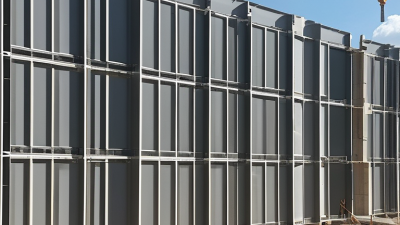
Prefabricated panels offer remarkable design flexibility, enabling architects to explore creative solutions. These panels come in various shapes and finishes, allowing for unique aesthetics in building design. From sleek modern looks to rustic finishes, the options are abundant. This diversity in materials can enhance architectural expression, making buildings stand out.
Moreover, the lightweight nature of these panels allows for innovative structures. Builders can create large spaces without overwhelming support systems. However, this flexibility may lead to challenges in matching panel quality with local building standards. It’s essential to consider long-term durability alongside aesthetic appeal. Sometimes, prioritizing beauty over sturdiness can result in regret during the building’s lifespan.
On the aesthetic front, prefabricated panels can mimic traditional materials like wood or stone. This authenticity can satisfy both budget and visual goals. Nevertheless, striking the right balance between aesthetics and functionality is vital. While these panels enhance visual appeal, ensuring they fit seamlessly within the overall design is critical. This can be a delicate dance between innovation and tradition.
What Are the Benefits of Using Prefabricated Panels? - Design Flexibility and Aesthetic Advantages of Prefabricated Panels
| Benefit |
Description |
| Design Flexibility |
Allows for a wide range of architectural styles and designs, accommodating various aesthetic preferences and functional needs. |
| Speed of Construction |
Panels can be manufactured off-site and assembled quickly, reducing overall construction time. |
| Cost-Effectiveness |
Minimized labor costs and reduced waste during construction lead to overall savings in project expenses. |
| Sustainability |
Prefabricated panels can be made from sustainable materials and are often designed for energy efficiency. |
| Quality Control |
Manufactured in a controlled environment, which allows for higher standards of quality and precision. |
| Reduced Site Disruption |
Less on-site construction noise and traffic lead to fewer disturbances to the surrounding area. |