What is Wood Wainscoting and How to Choose the Best Style?
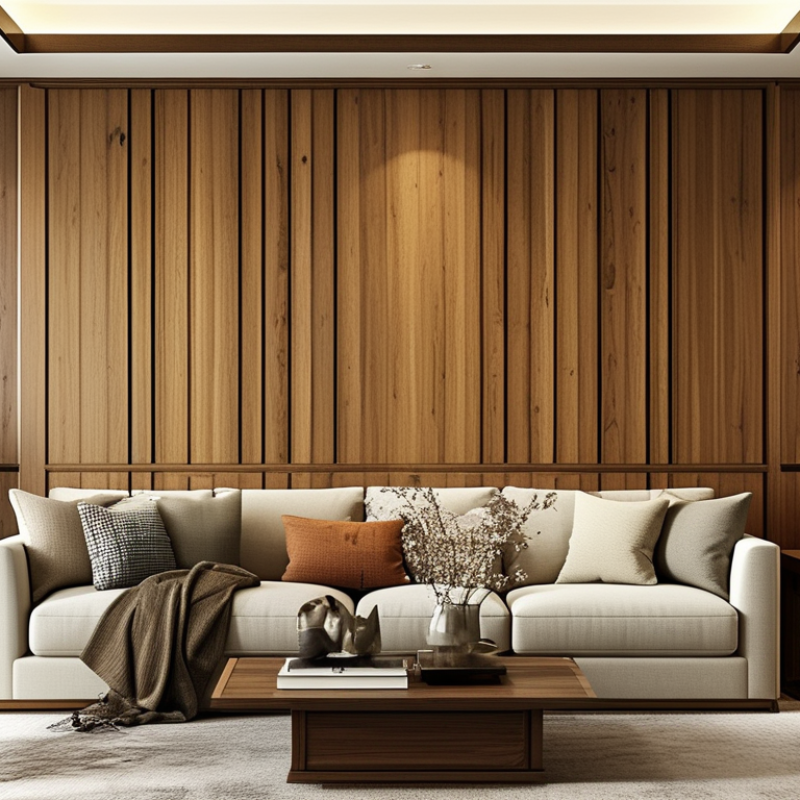
Wood wainscoting is more than just a design choice; it's a timeless element of interior decor. This beautiful wooden paneling enhances the aesthetics of any space while providing durability and warmth. Choosing the right style of wood wainscoting can significantly impact the overall ambiance of your home. It is essential to consider factors like room size, existing decor, and personal taste when making this decision.
Many homeowners may overlook the importance of wood wainscoting. However, it offers both practical and visual benefits. It can protect walls from scuffs and marks, especially in high-traffic areas. Additionally, it creates a refined look that can elevate a room’s style. Exploring various wood species such as oak or maple can lead to unique and stunning results.
Yet, not all wood wainscoting styles suit every home. Some may find traditional styles too formal, while others might think modern options feel too stark. Reflecting on your space and preferences is crucial to finding the perfect fit. Engaging with local experts can provide valuable insights into the best wood wainscoting options for your individual needs.
What is Wood Wainscoting and Its Historical Significance?
Wood wainscoting has deep historical roots, dating back to the 16th century. It was originally a practical solution to protect walls from moisture and damage in homes. Over time, wainscoting evolved into a decorative element that graced the walls of castles and grand estates. This style allowed homeowners to showcase their wealth and taste. Research suggests that around 50% of homeowners appreciate wainscoting for its aesthetic appeal, adding warmth and texture to interiors.
Today, wood wainscoting remains popular due to its versatility. It can fit various design styles, from traditional to contemporary. A study revealed that nearly 40% of interior designers now recommend wainscoting as a vital element in modern homes. Selecting the right style depends on multiple factors. Consider your home’s architecture, the scale of the room, and your personal taste. Choices range from raised panel to beadboard styles. Each offers its unique charm and can transform a space.
However, not all wainscoting fits every space. Common misconceptions exist surrounding its installation and cost. It's crucial to understand that high-quality wood choices can significantly impact your budget. Seeking advice from professionals can clarify these aspects. Wainscoting should enhance, not overwhelm, your interior. Balancing elegance with practicality is key to achieving a cohesive look.
Wood Wainscoting Styles Popularity
Types of Wood Wainscoting: Styles and Materials Explained
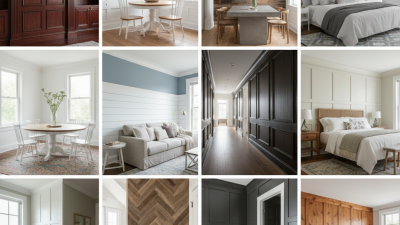
Wood wainscoting is a classic design feature that adds depth and character to interior spaces. When selecting the best style for your home, understanding the types of wood wainscoting available is crucial. Traditional styles often include raised panels, beadboard, and flat panels, each offering unique aesthetic qualities. According to a recent industry report, approximately 45% of homeowners prefer beadboard for its charming, rustic appeal. This option excels in informal settings, like cottages or beach houses.
Materials play a significant role in wainscoting. Solid wood remains the gold standard, delivering durability alongside aesthetic appeal. However, engineered wood options like MDF have gained popularity due to their cost-effectiveness and versatility. A notable study highlights that about 30% of homeowners choose MDF for its smooth finish and ease of painting. It's essential to evaluate your space's needs and the material's longevity. Decisions should not overlook potential weaknesses, such as moisture sensitivity in some woods, which could lead to costly repairs.
Colors and finishes also contribute to the overall look. Light stains can create a bright and open feel, while darker shades add elegance and warmth. Yet, personal preference often leads to mismatched choices that may not harmonize with existing décor. This inconsistency underscores the need for thoughtful planning. Ultimately, understanding the diverse styles and materials available can ensure that your wainscoting enhances your home's unique charm.
Key Factors to Consider When Choosing Wood Wainscoting
When choosing wood wainscoting, consider the room's style and function. A dining area might benefit from rich, dark woods, providing warmth and coziness. In contrast, a bathroom could use lighter shades, creating a fresh and airy feel. The wood grain and texture also impact the overall aesthetic. Smooth finishes work well in modern settings, while rough-hewn boards can enhance rustic charm.
Think about the height of the wainscoting. Standard options range from 32 to 48 inches. A higher panel can make a room feel more spacious, while a lower panel can create a more intimate atmosphere. Also, consider the panel style. Traditional beadboard adds character and depth, while flat panels offer a sleek, contemporary look.
Installation is also a crucial factor that requires attention. Some styles are more complex and may need professional help. Evaluate your DIY skills before making a decision. This could lead to unexpected challenges. Remember that the wainscoting must harmonize with existing decor and textures in the home. It’s not just about looks; functionality matters too. Reflecting on these aspects will lead to a choice you won’t regret.
How to Properly Install Wood Wainscoting: A Step-by-Step Guide
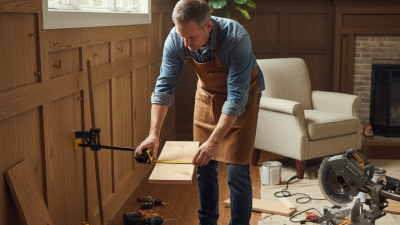
Installing wood wainscoting can enhance any room’s character. It’s essential to approach this project with care. Measure your wall height accurately to determine how much wainscoting you will need. Mark the wall using a pencil to create clear lines. This will serve as your guide. Improper measurements may lead to gaps or excess wood.
Begin by securing a baseboard along the wall. This is the visual anchor for your wainscoting. Use a level to ensure it’s straight. Any unevenness now will complicate the installation later. After that, cut the boards to fit the wall, allowing for corners and outlets. It is important to test fit each piece before gluing or nailing it in place. Small imperfections can be corrected during fitting.
As you install, use adhesive and nails for stability. Take your time to align each piece with precision. Go slow to avoid mistakes. When painting or staining, allow adequate drying time. This will ensure a smooth finish and longevity. Reflect on your work throughout the process. Are there areas to improve? Consistent checks will enhance the final look of your wainscoting.
Maintenance Tips for Preserving Your Wood Wainscoting
Maintaining wood wainscoting is crucial to preserve its beauty and integrity. Regular cleaning helps prevent dust buildup. Use a soft cloth to wipe down surfaces. Avoid harsh chemicals, as they can harm the wood finish. Instead, opt for mild soap mixed with warm water. This gentle approach ensures the wood remains vibrant and intact.
Check for signs of damage regularly. Look for scratches or dents, which can detract from the overall look. If you notice any issues, address them quickly. Sand down rough spots carefully, and consider applying a fresh coat of sealant to enhance protection. A well-maintained wainscoting can transform a room's atmosphere.
Humidity levels play a significant role in the longevity of wood wainscoting. Excess moisture can lead to warping or mold growth. Use a dehumidifier in damp areas. Conversely, dry air can cause the wood to crack. Finding a balance is essential. Regularly inspect the wainscoting in different seasons to see how it responds. Understanding your environment can guide you in maintaining this timeless feature effectively.